The Agrippa Collection
Follow the three books in order, or start with a question that catches your attention.
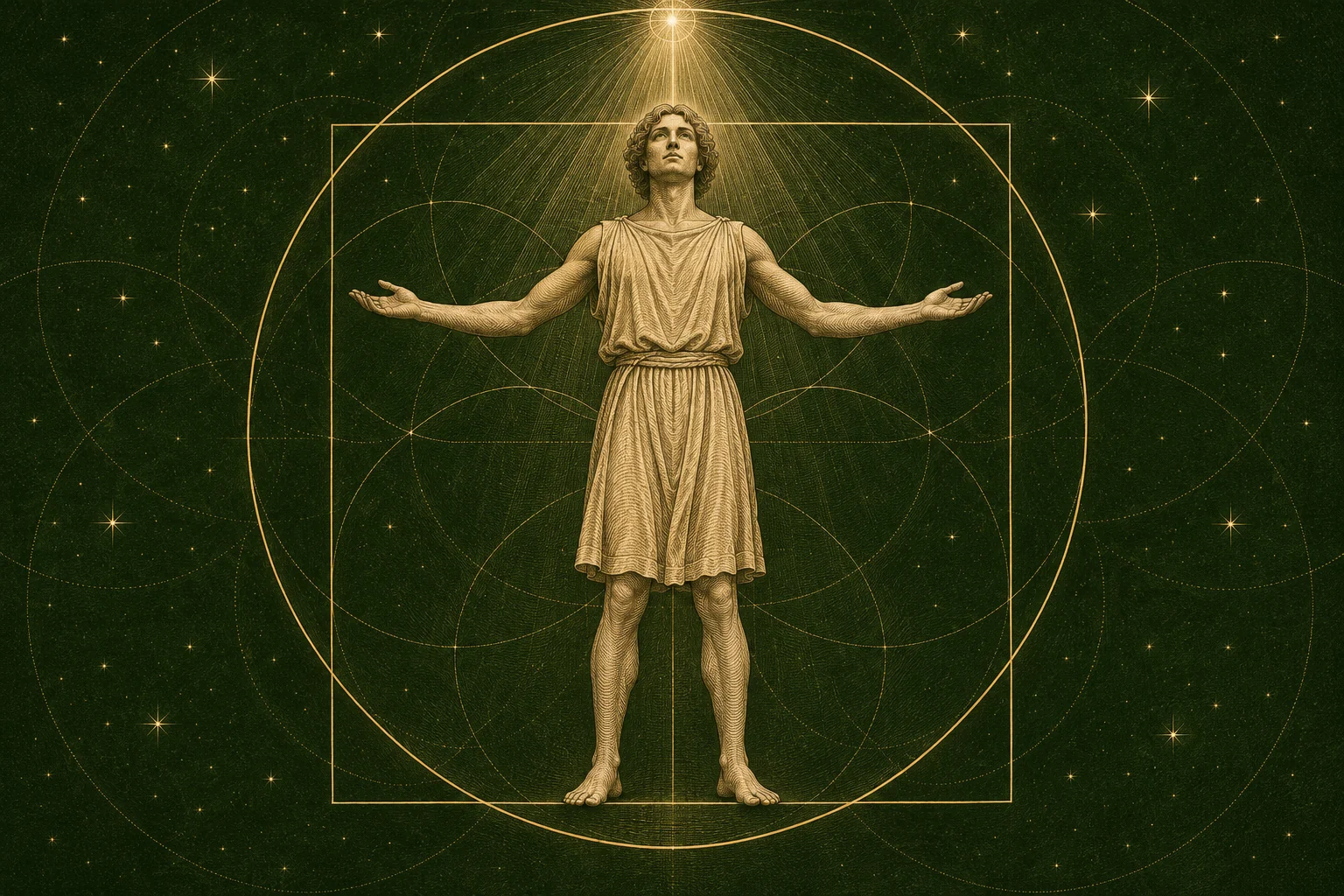 MODERN INTERPRETATION
The hand as a little cosmos.
Look closely at Agrippa’s hand diagram, its planetary signs, and the proportions of the human body.
Explore the handThe complete books
All 199 chapters and the Latin and English editions, included with library membership.
Open the editions24 LESSONS
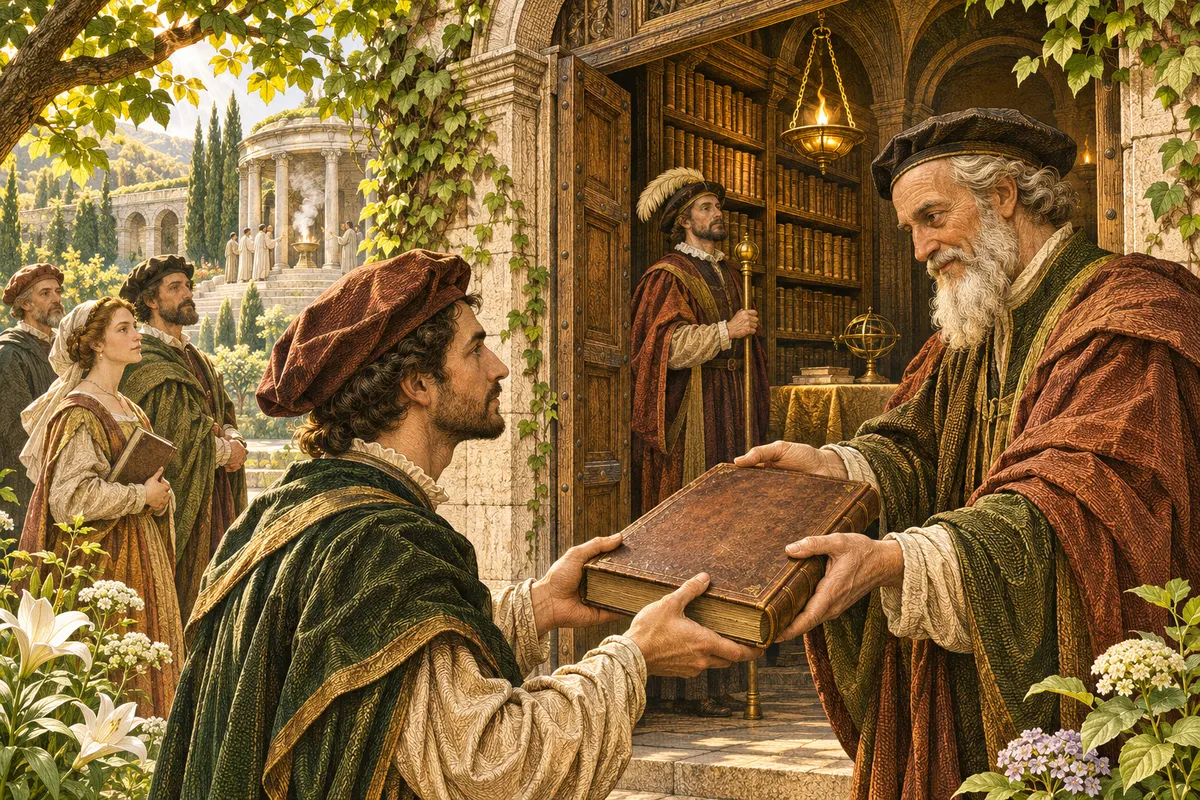
Who may hear a sacred teaching?
Compare a poem, a temple ceremony, and a rule about giving books to readers.

What makes a magician qualified?
Separate presumed natural aptitude, achievement through study, and standing conferred by a rite.
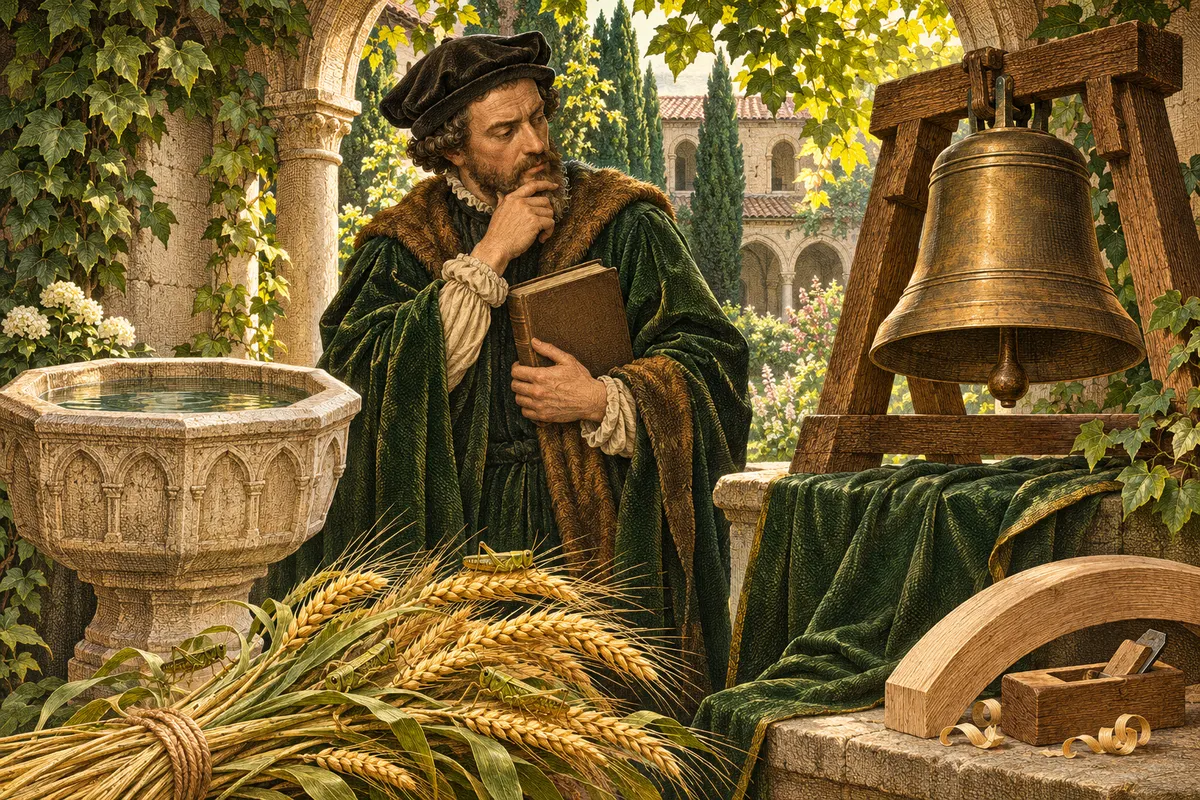
Why would someone excommunicate a locust?
Read the cases of locusts and bells beside his instructions about borrowing from other authors.
Three different jobs for love, hope, and faith
Identify the direction of love, the persistence of hope, and the source Agrippa assigns to faith.
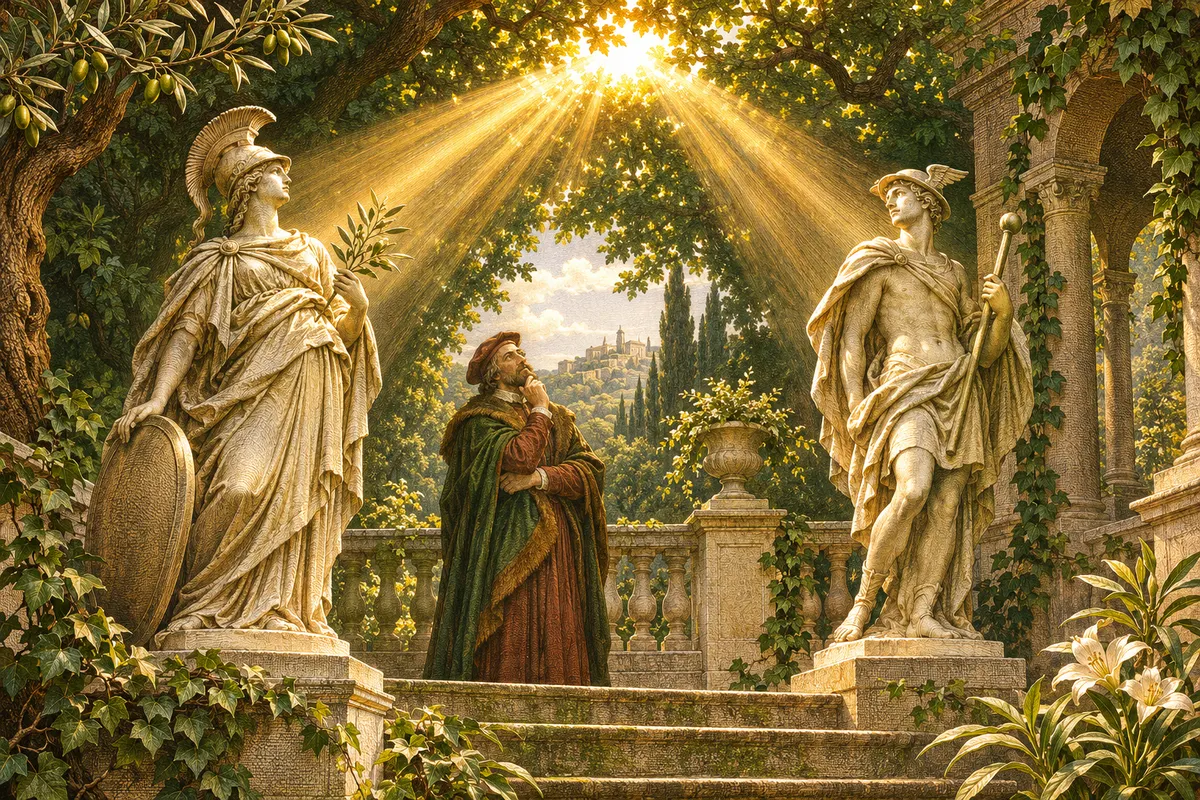
How many powers can one God have?
Reconstruct the image of rays going out from one source and apply it to the pair Pallas and wisdom.
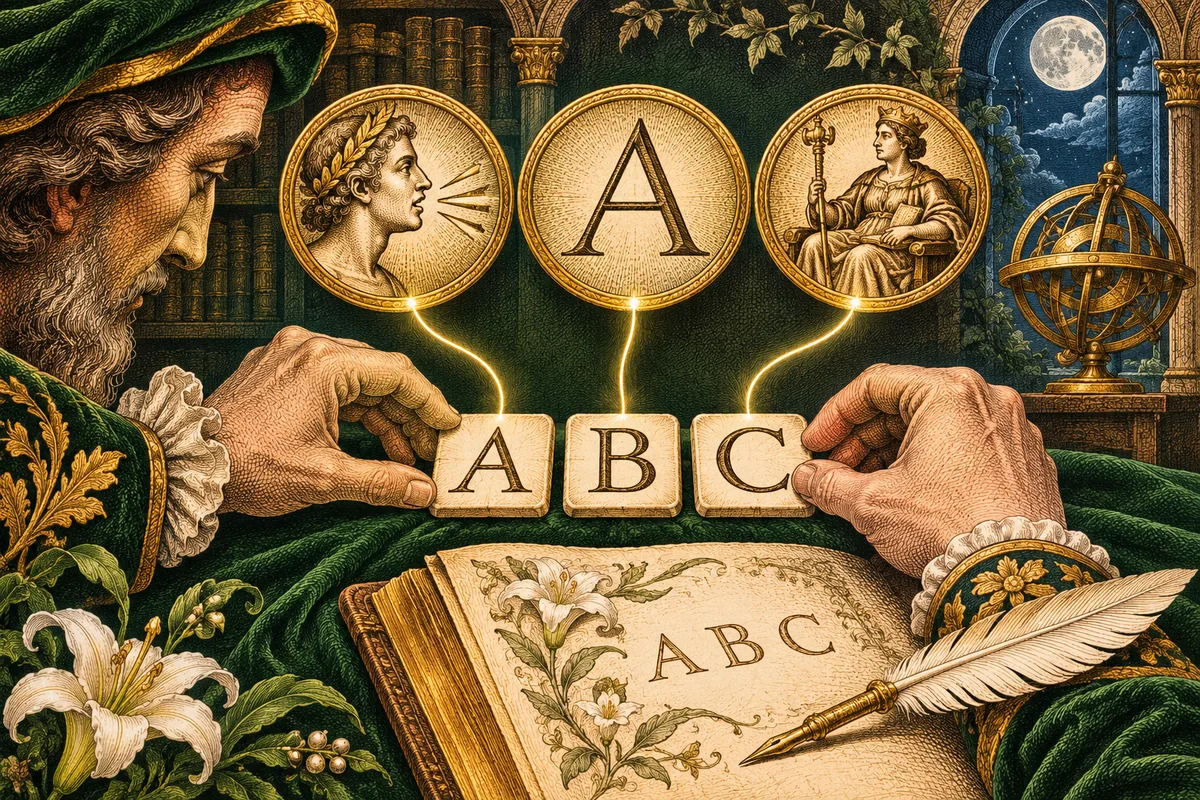
How Agrippa reads Amen
Read the Hebrew type on page 372, extract the three initials, and follow Agrippa from the lettering of a name to its use in prayer.

Why give God a garment?
Follow the different meanings Agrippa gives to a divine member and to the hem of a garment.

Who governs, who guards?
Sort three angelic duties by their reach, from contemplating divine wisdom to caring for a single living thing.
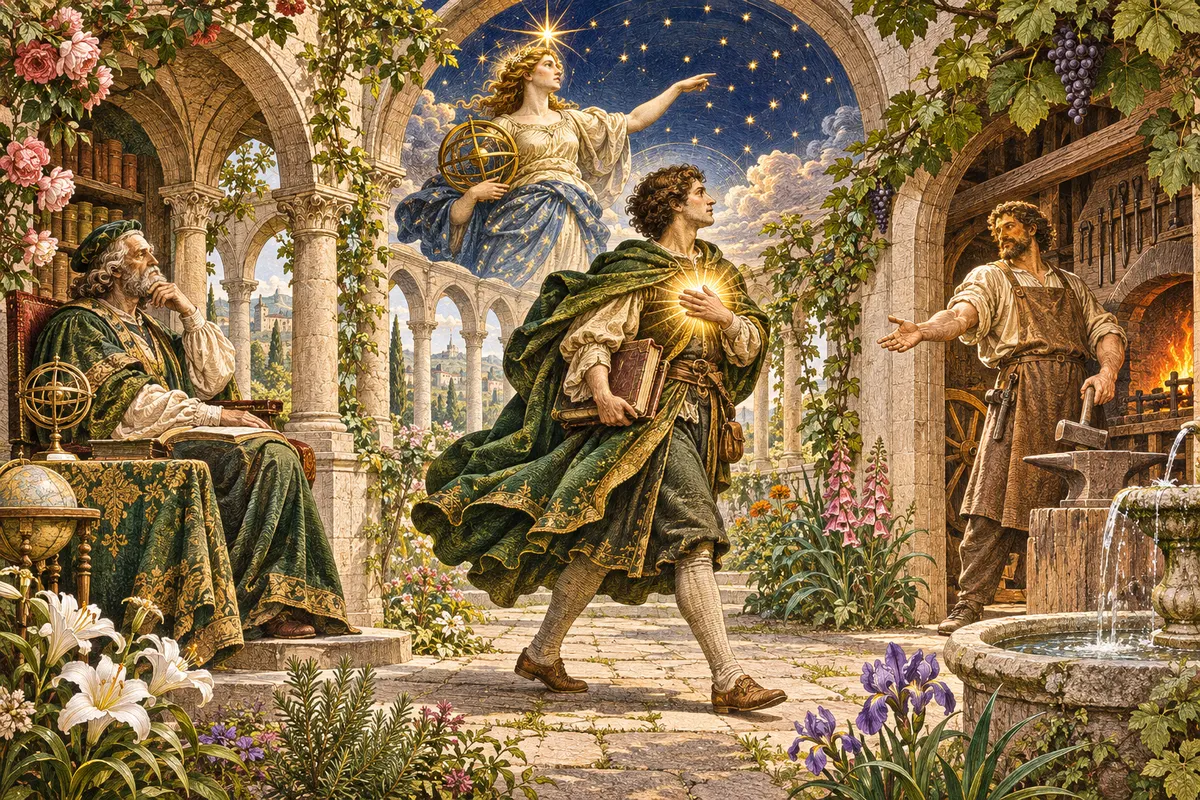
A guardian for birth and another for a calling
Separate the guardian of the soul, the genius of a nativity, and the patron of a chosen profession.

Could an angel whisper?
Follow the body parts, shrinking distances, and scriptural exception that make up Agrippa’s argument on page 413.

Three rows, seventy-two names
Build a miniature version of the letter arrangement before returning to the three verses of Exodus.

A human being as a lesser world
Follow two different comparisons on one page, from the universe to a human being and from divine reason to a human mind.
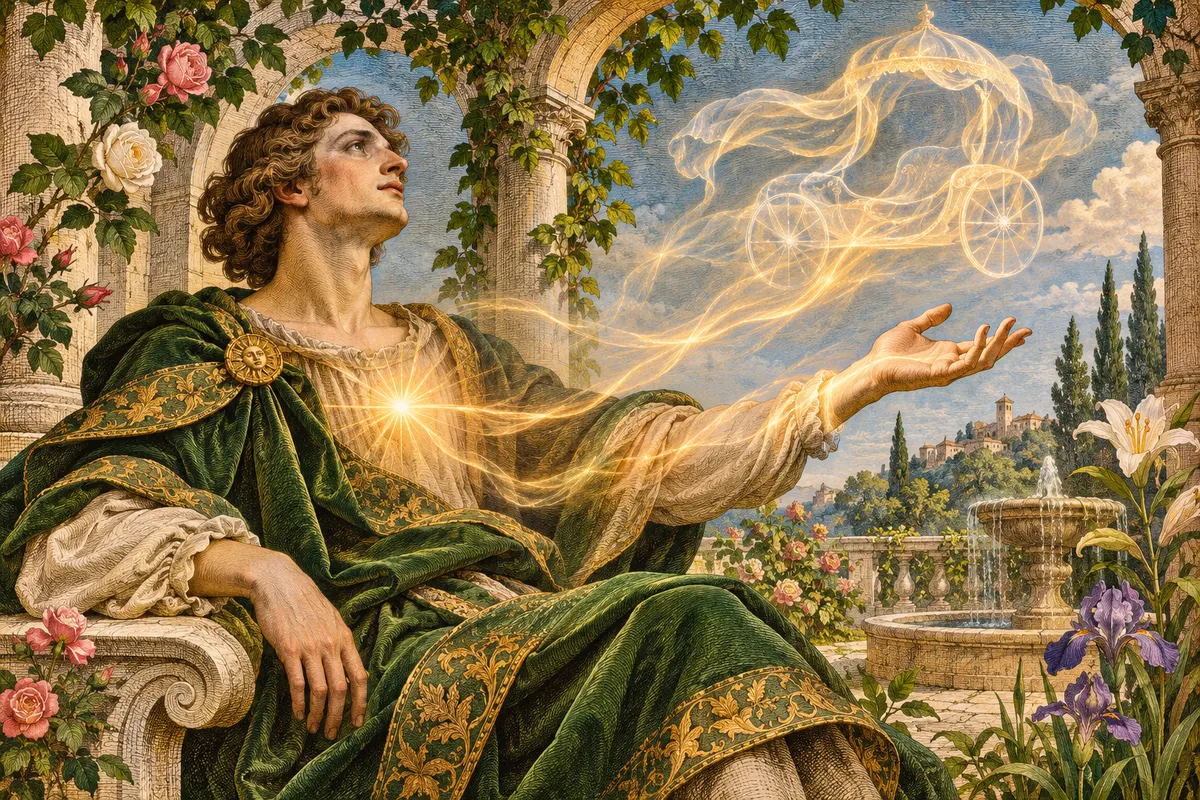
The chariot of the soul
Build the sequence Agrippa puts between a divine soul and a living hand, beginning with what he calls its chariot.
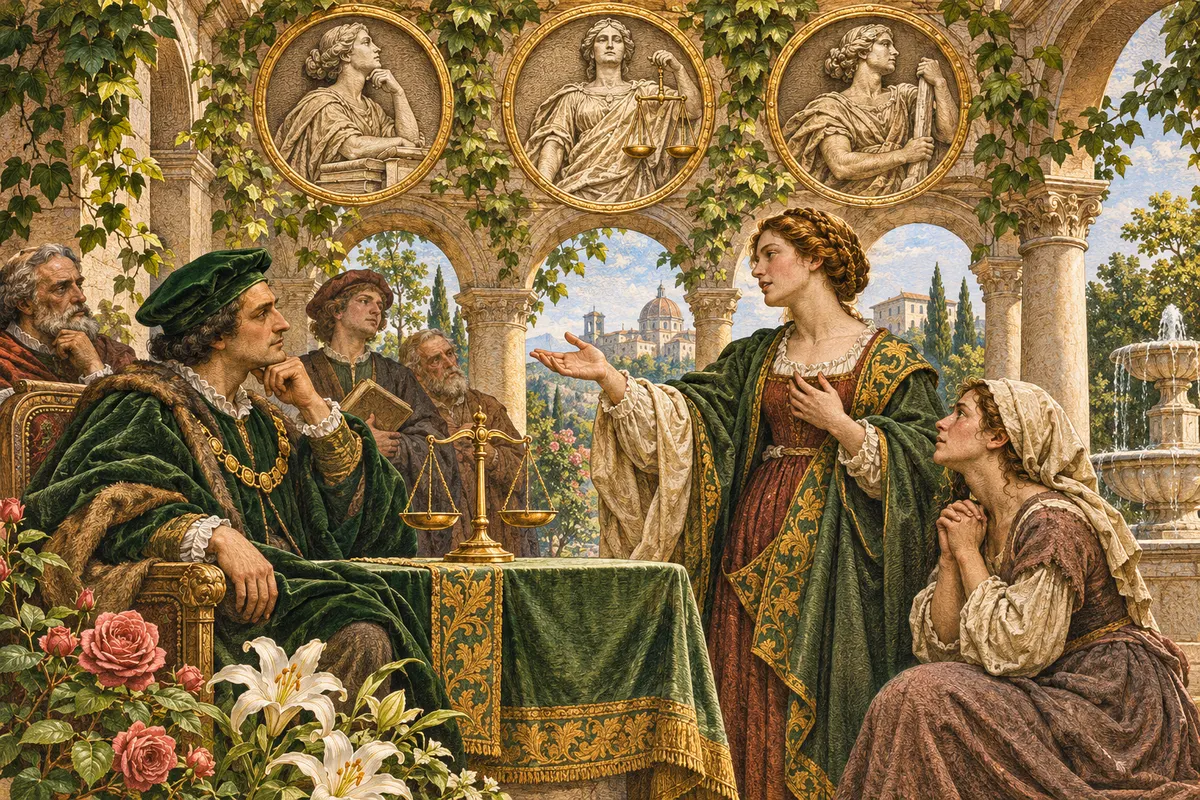
A planet as an instrument
Read a catalogue of virtues as an account of mediation by comparing the entries under Jupiter and Mars.

Where can a good influence go wrong?
Read Agrippa’s argument about reception against the accusation voiced in his quotation from Homer.
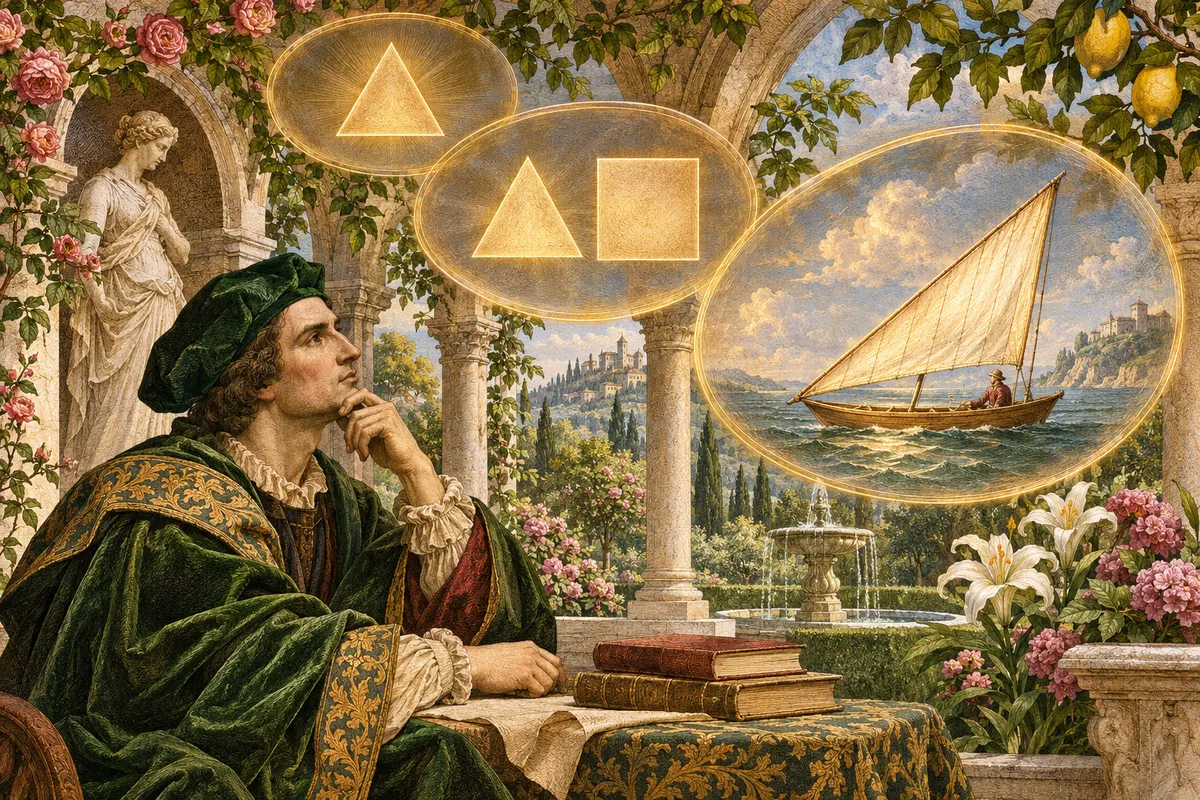
From a thought to an image
Trace a single idea through mind, reason, and imagination before examining the bodily claim Agrippa adds.
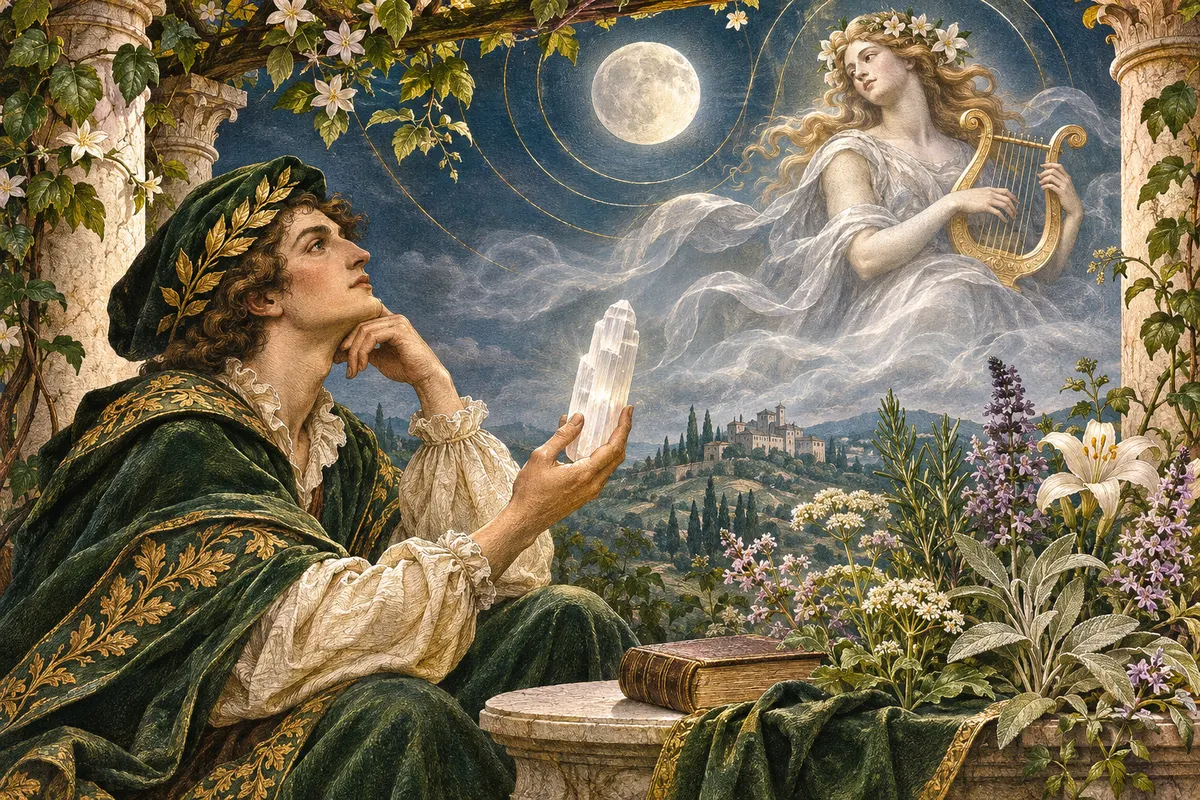
What the Muses give a mind
Read the paired motions of detachment and attachment, then follow a lunar stone into Agrippa’s account of the Muses.

Why is Love without eyes?
Read the Venus chapter alongside its figure of eyeless Love to distinguish intense affection from a theological account of resemblance.
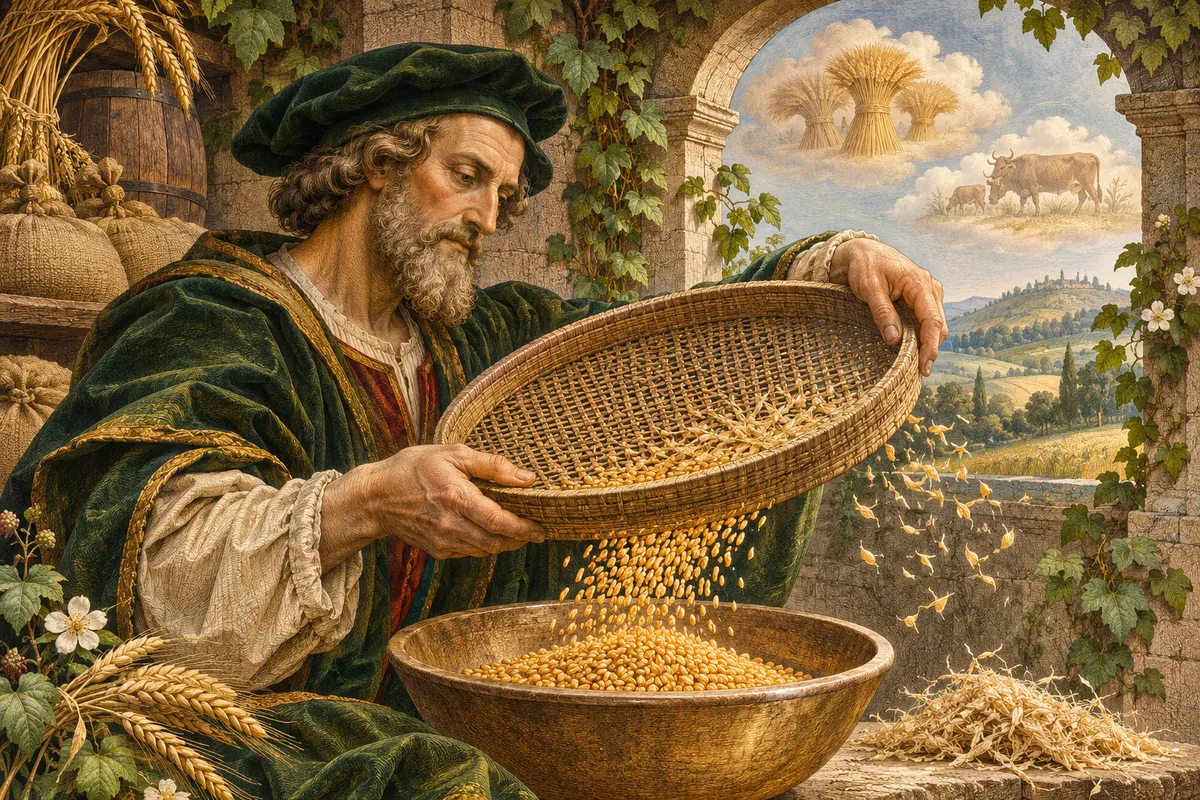
Grain and chaff in a dream
Compare the two stories involving Joseph on page 514 to see what repetition and imperfect fulfillment mean to Agrippa.
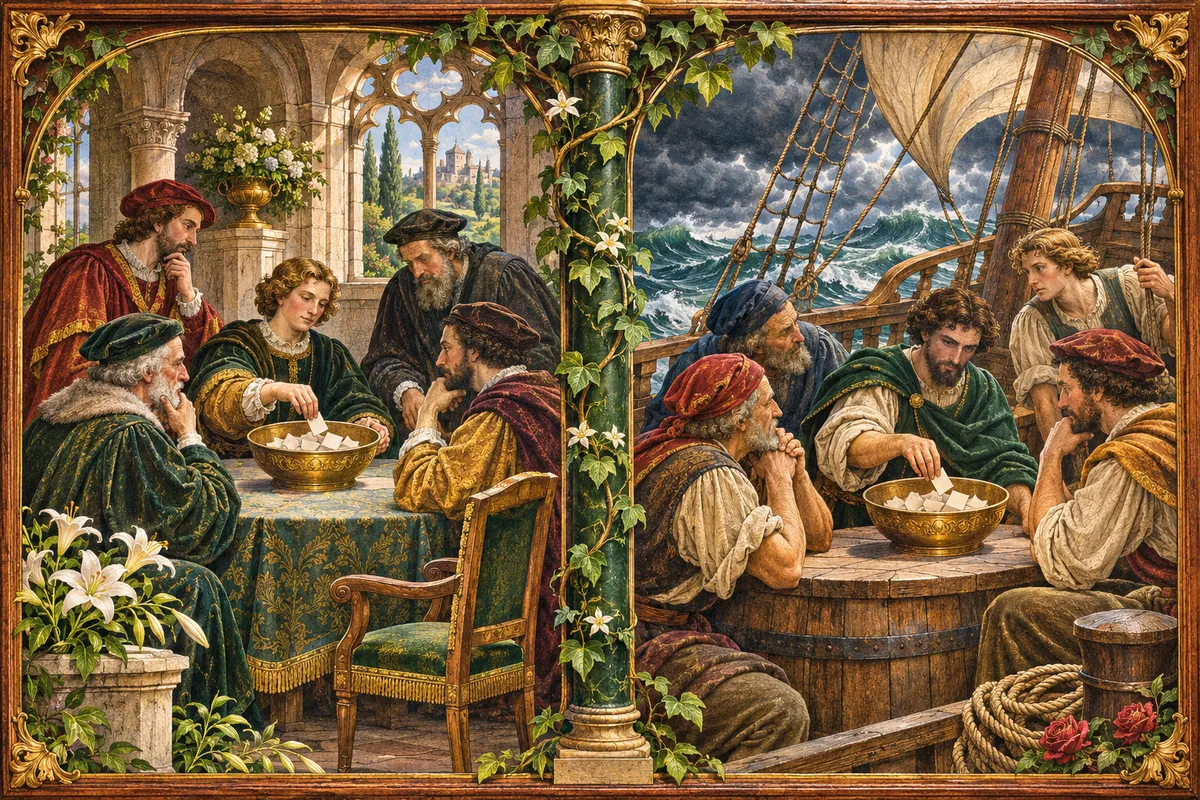
What can a lot decide?
Compare the appointment of Matthias with the sailors’ lot in the story of Jonah to distinguish selection from diagnosis.

What does feeding a stranger have to do with purification?
Follow Agrippa from an inward change of heart to an outward act of mercy, then compare his Christian and Homeric examples.
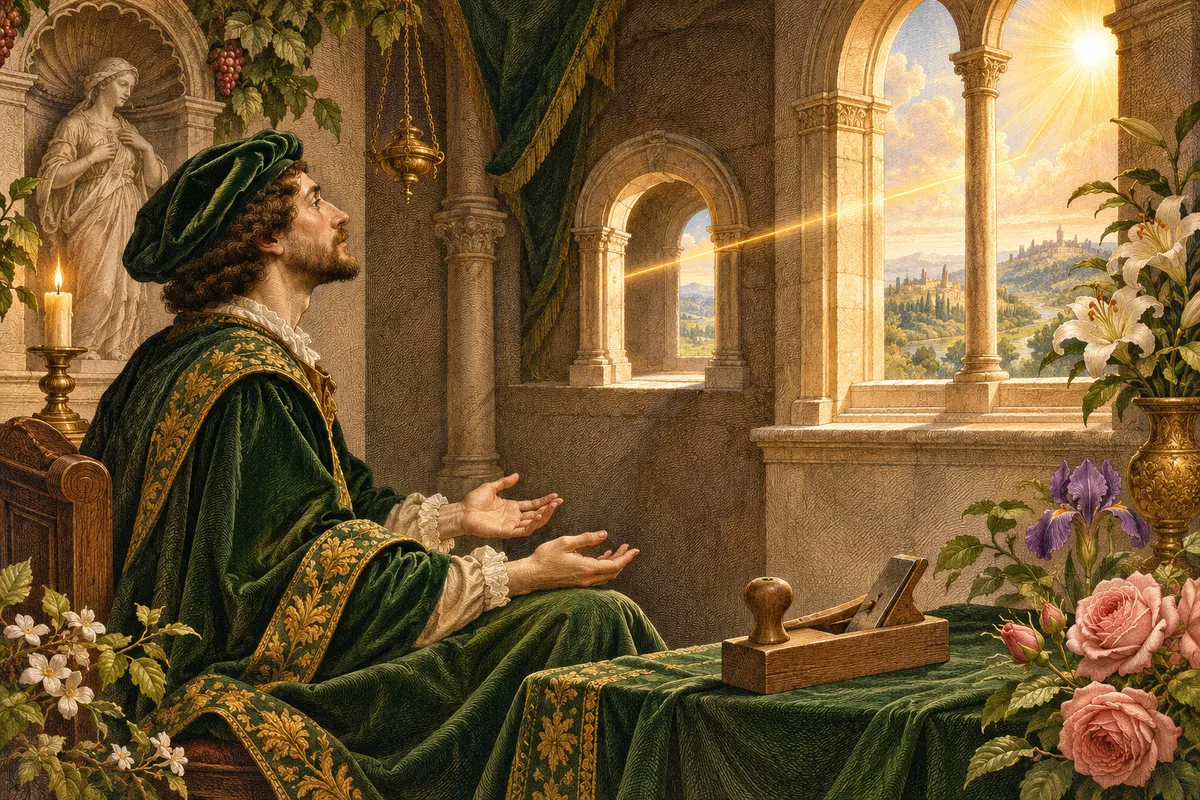
Can a vow be made in silence?
Read his comparison of a maker and an instrument to locate the roles of worshipper and divine agent.
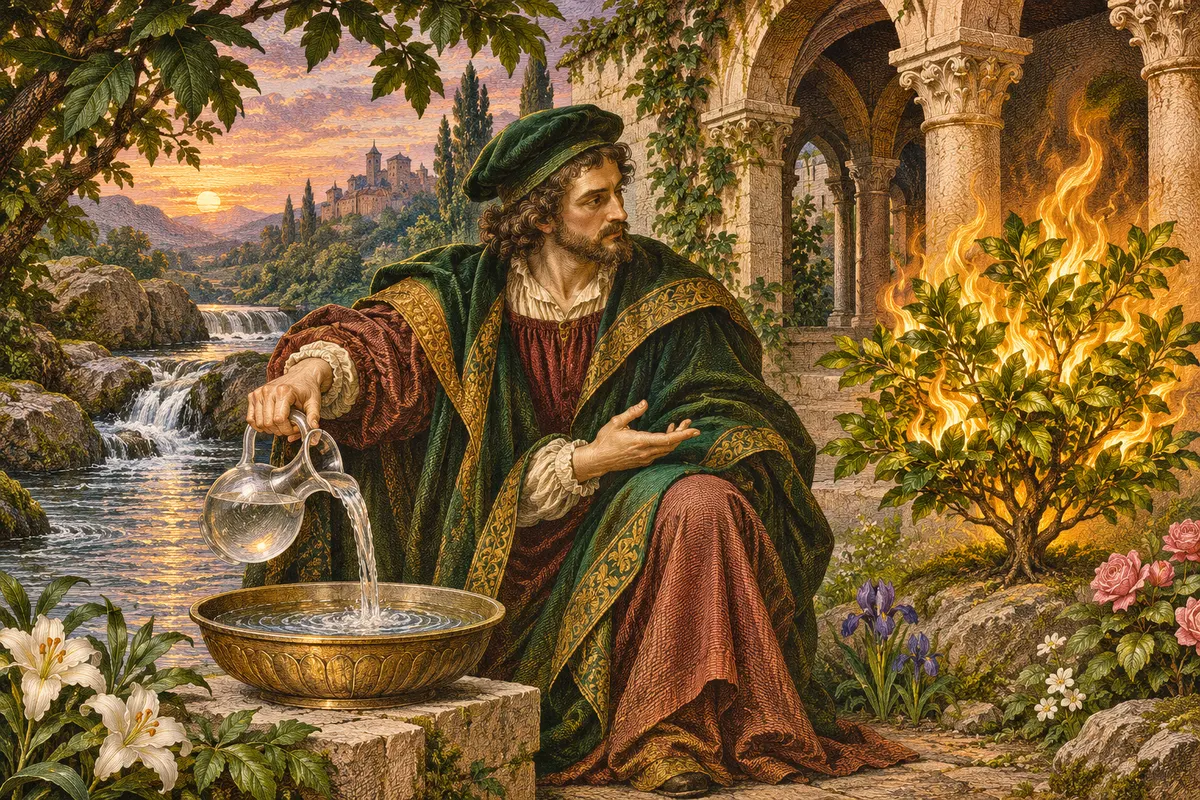
Why bless water with a river story?
Follow the passage from the Red Sea to the burning bush and work out why changing the material changes the prayer.
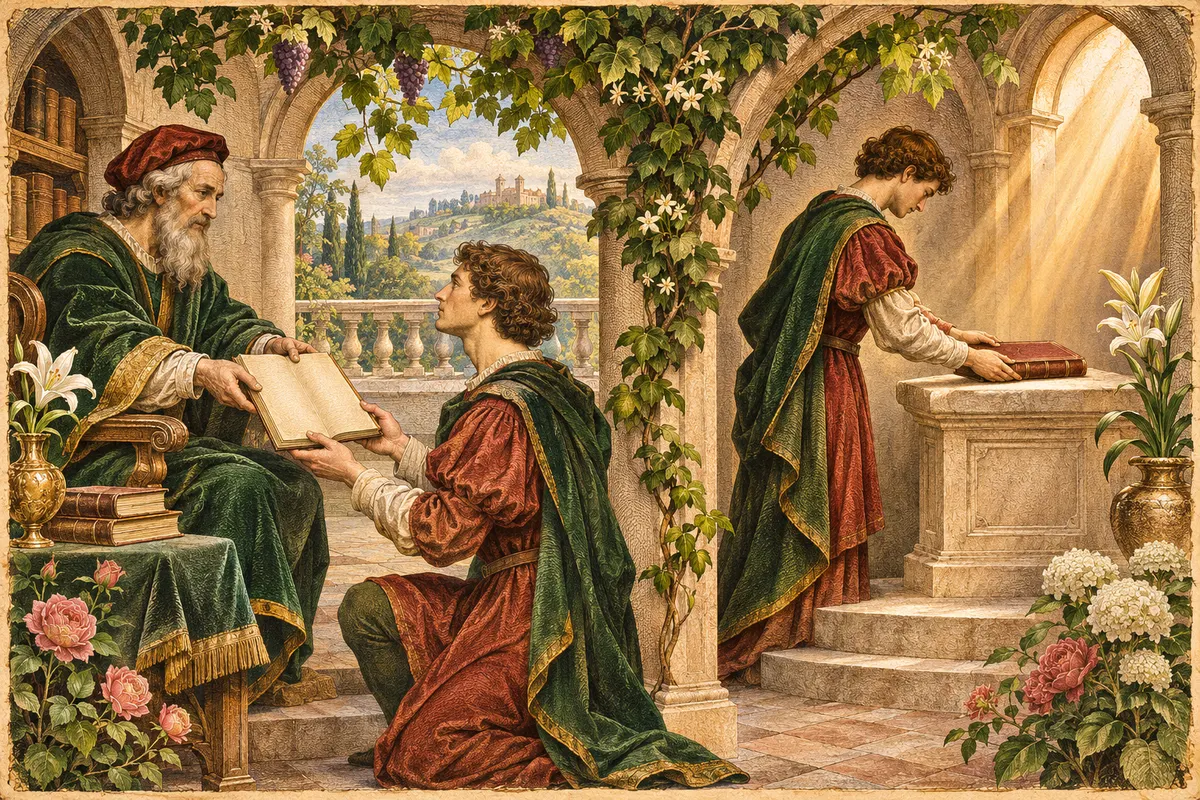
Who dedicates the sacred thing?
Use his examples of the Lord’s Prayer and a vow to trace two ways in which something acquires sacred standing.
The chapter index
Explore the complete contents of the three books, arranged by subject, with English text and both printed editions.