Celestial Magic
Explore the numbers, musical intervals, and planetary patterns that ordered his heavens.
Turn the book’s pages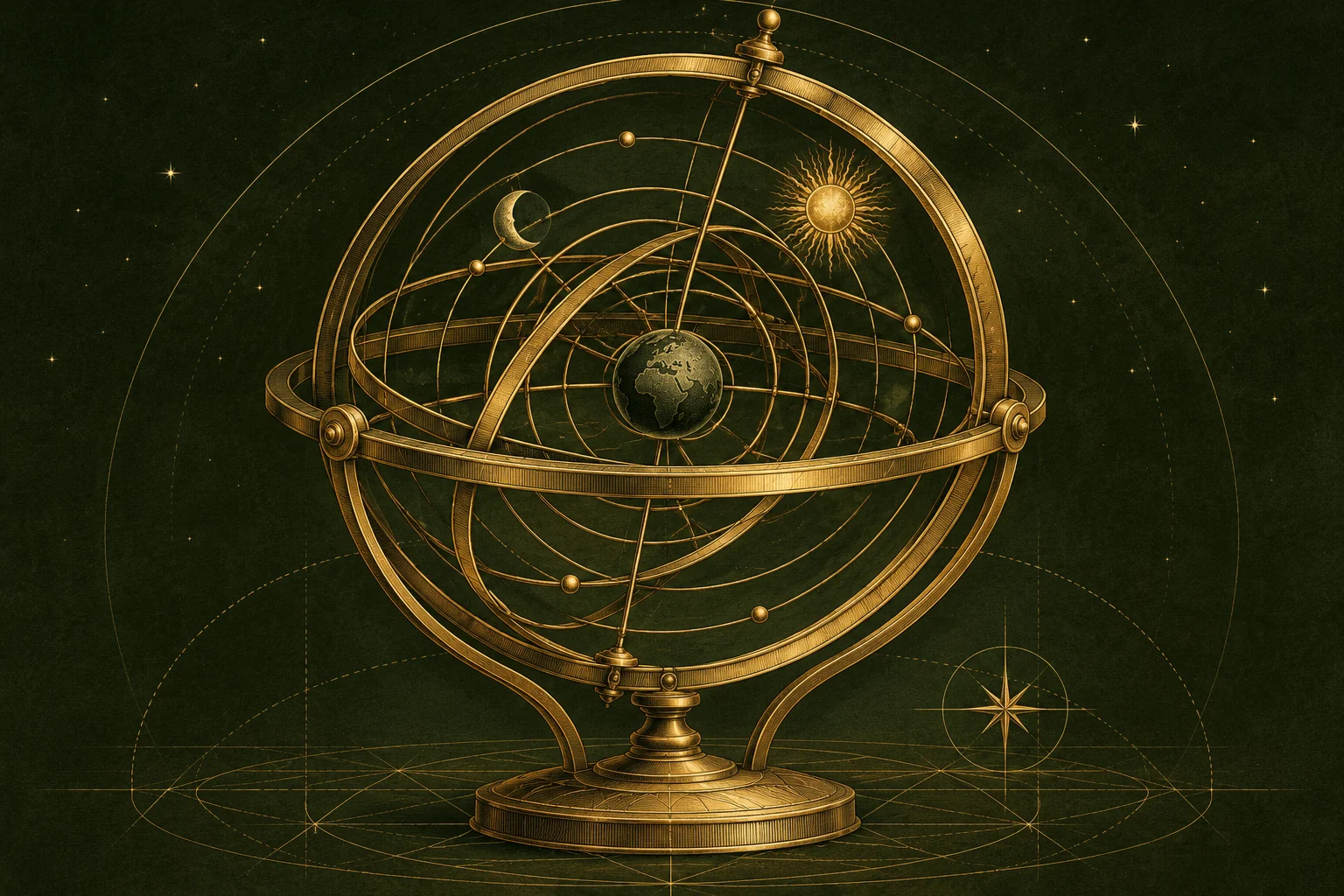
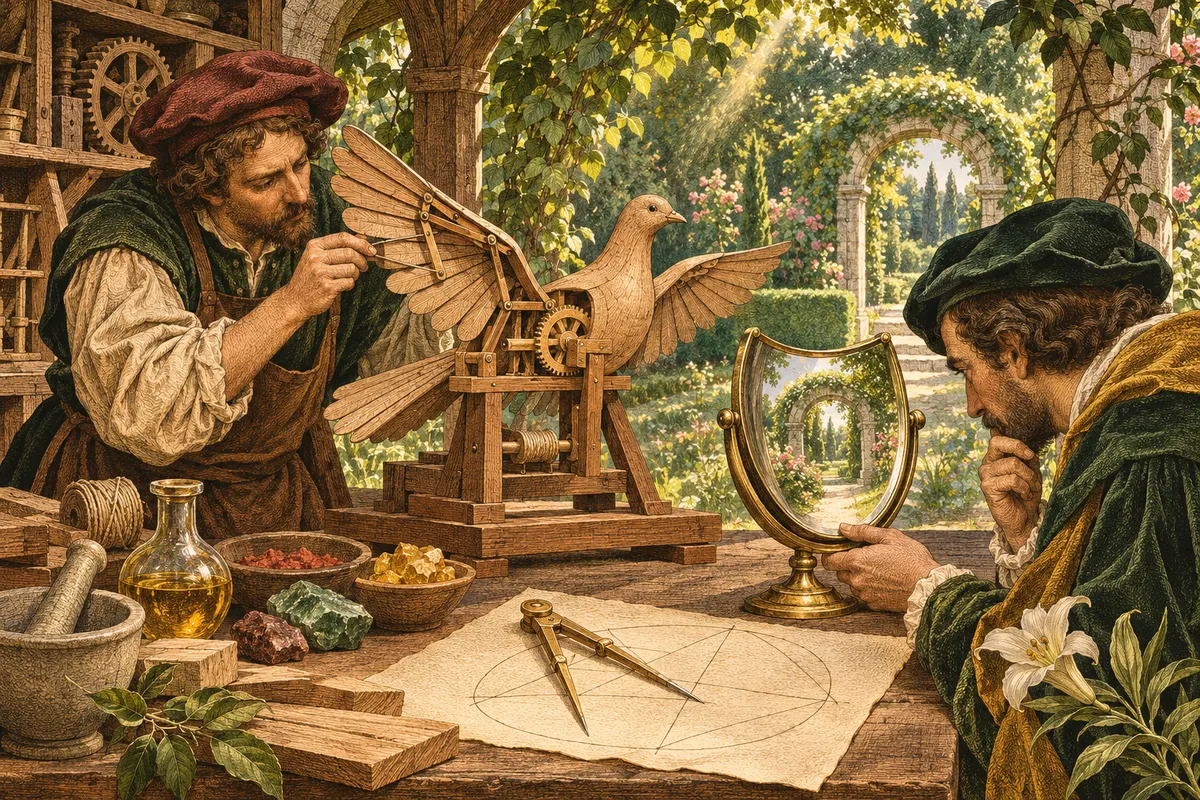
A wonder made with numbers
Follow the flying dove and the curved mirror through page 168 to see where Agrippa places mathematics among the magical arts.
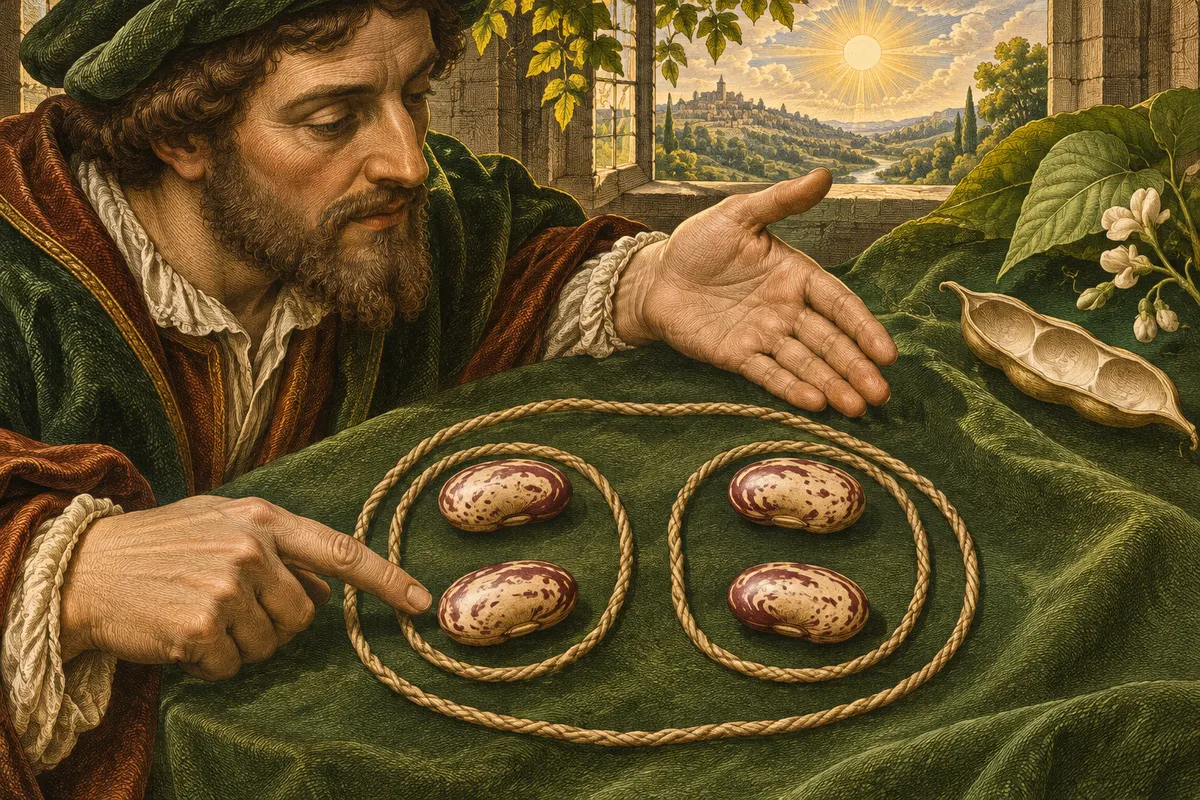
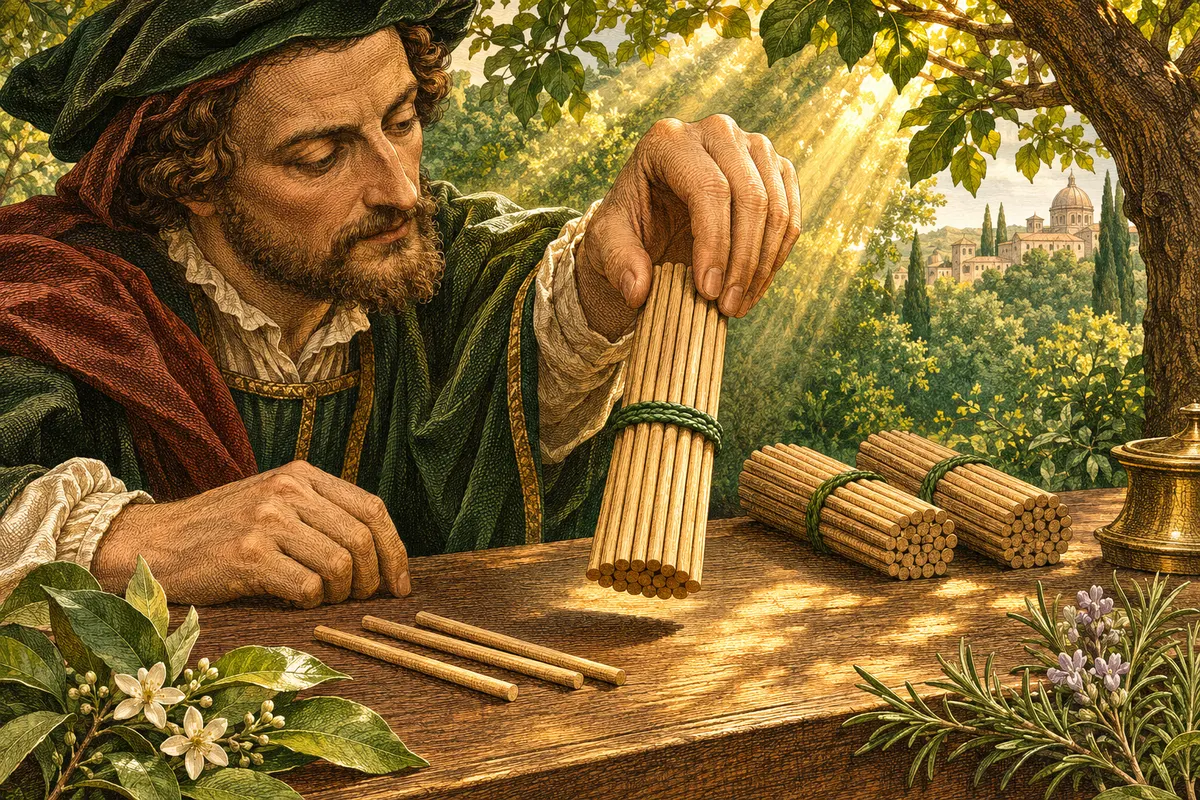
What do we count as one?
Count a handful of beans twice, changing the unit. The exercise opens Agrippa’s argument about one and many.
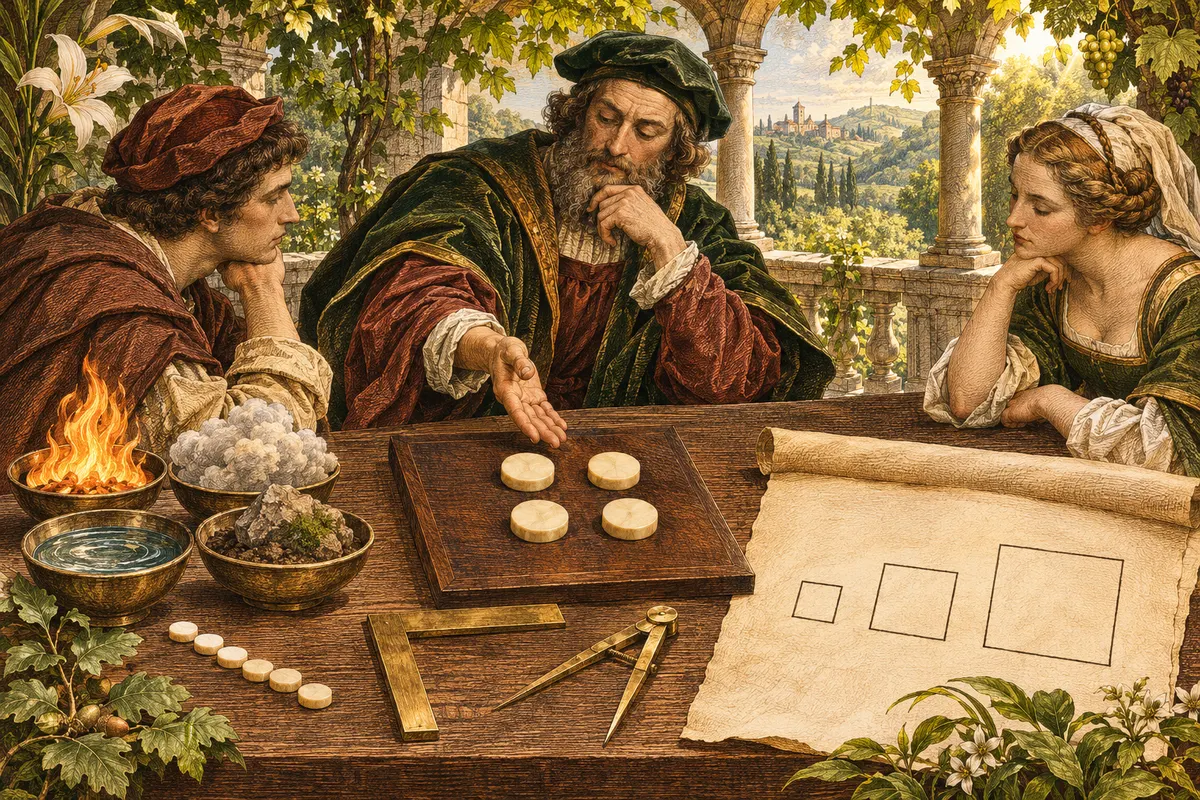
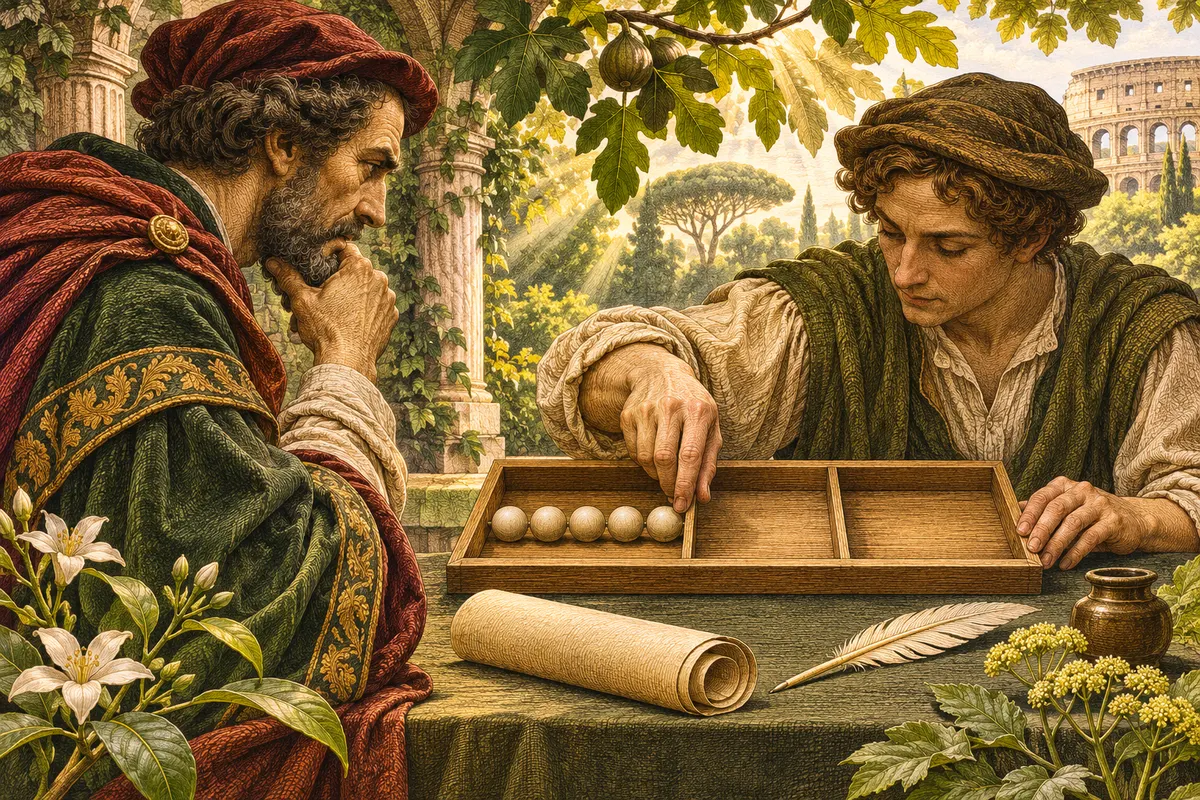
How can unequal steps be equal?
The steps from one to two and from two to four look unequal until you change what you measure.

What makes six perfect?
Six begins as a sum you can check. Turn the page and it has become a way of arranging the heavens.
What starts when ten is finished?
Agrippa gives ten two jobs. It finishes one group and becomes the unit for counting the next.

How much can a bent finger say?
Agrippa initially distrusts a silent gesture. Bede’s rules give him another way to read it.
What does an empty place do?
A page of Roman signs leads Agrippa to an apparently empty mark that changes the value beside it.

A planet from a remainder
The same set of letters can give a planet or a sign. The result depends on the question and the divisor.
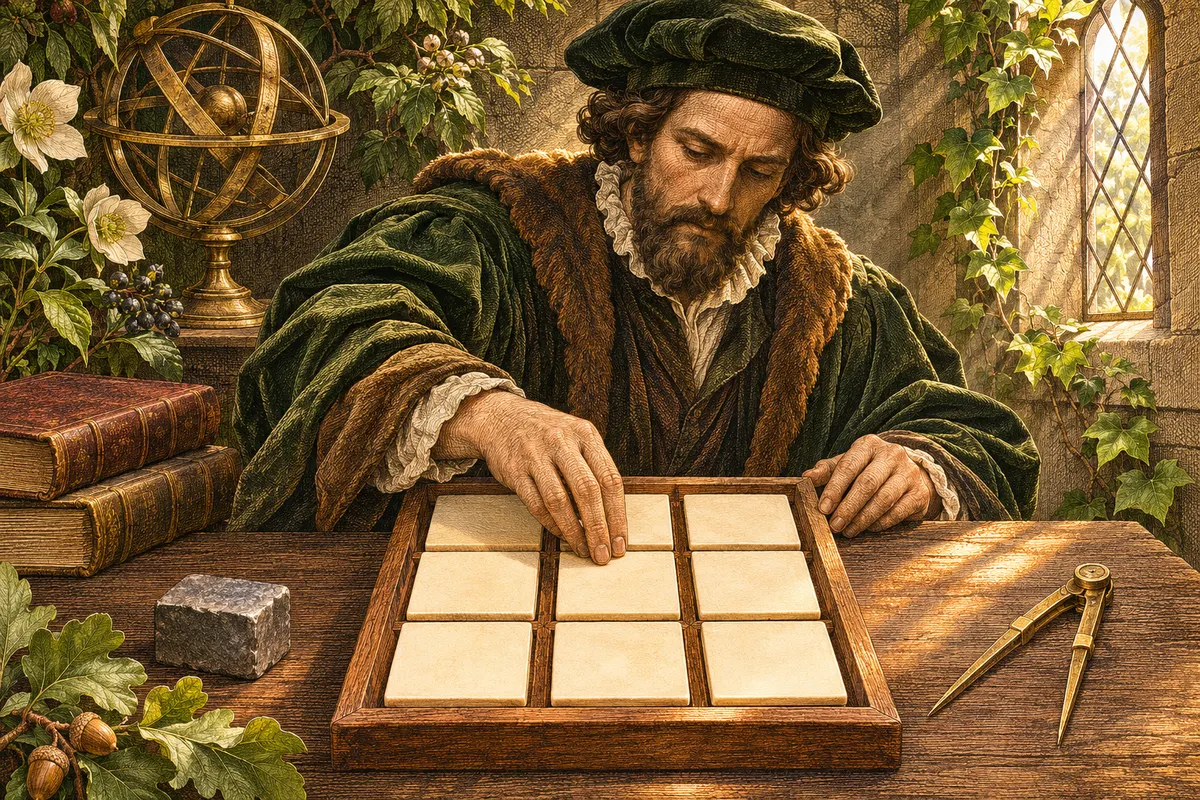
Inside Saturn’s square
Calculate the eight lines in the 1651 square, then read their place in Agrippa’s account of numbers, names, and planetary influence.

Where does a circle begin?
A pencil leaves the page and a line has a beginning. What happens to that beginning when the line closes?
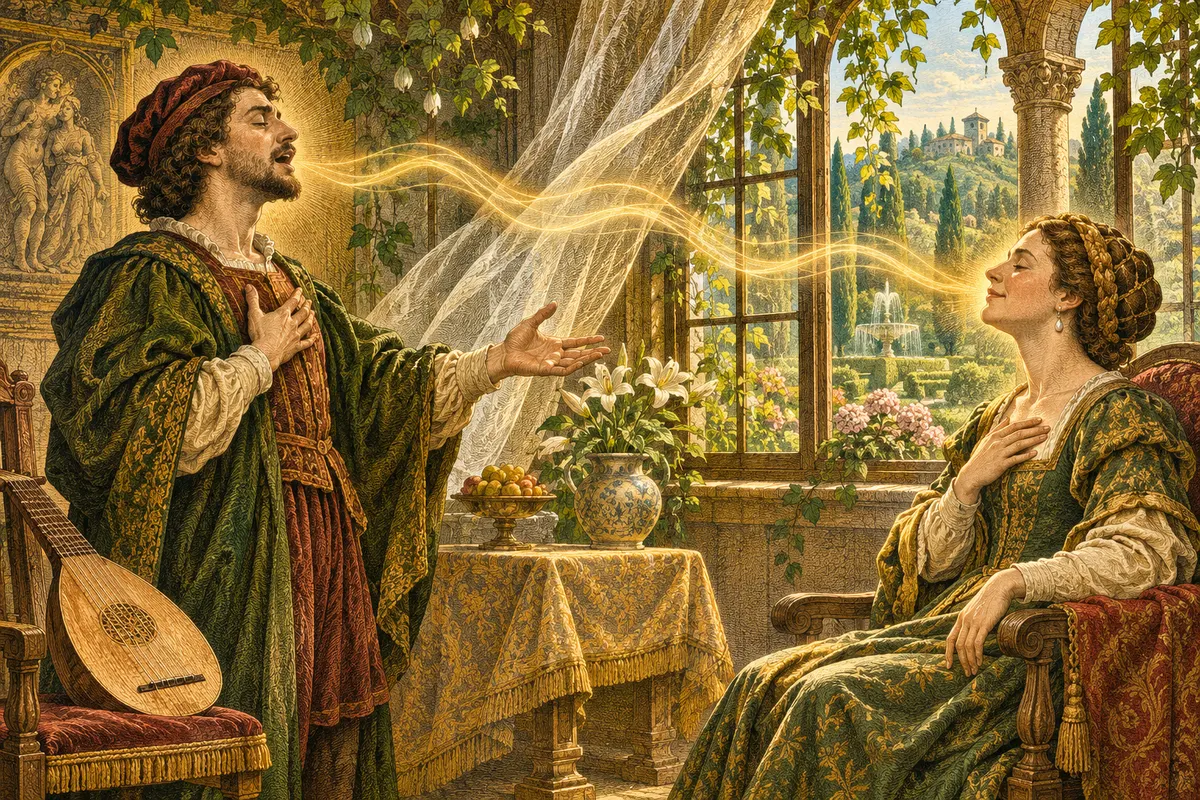
What does a singer send?
Agrippa follows a song from the person who gives it voice to the person who hears it.
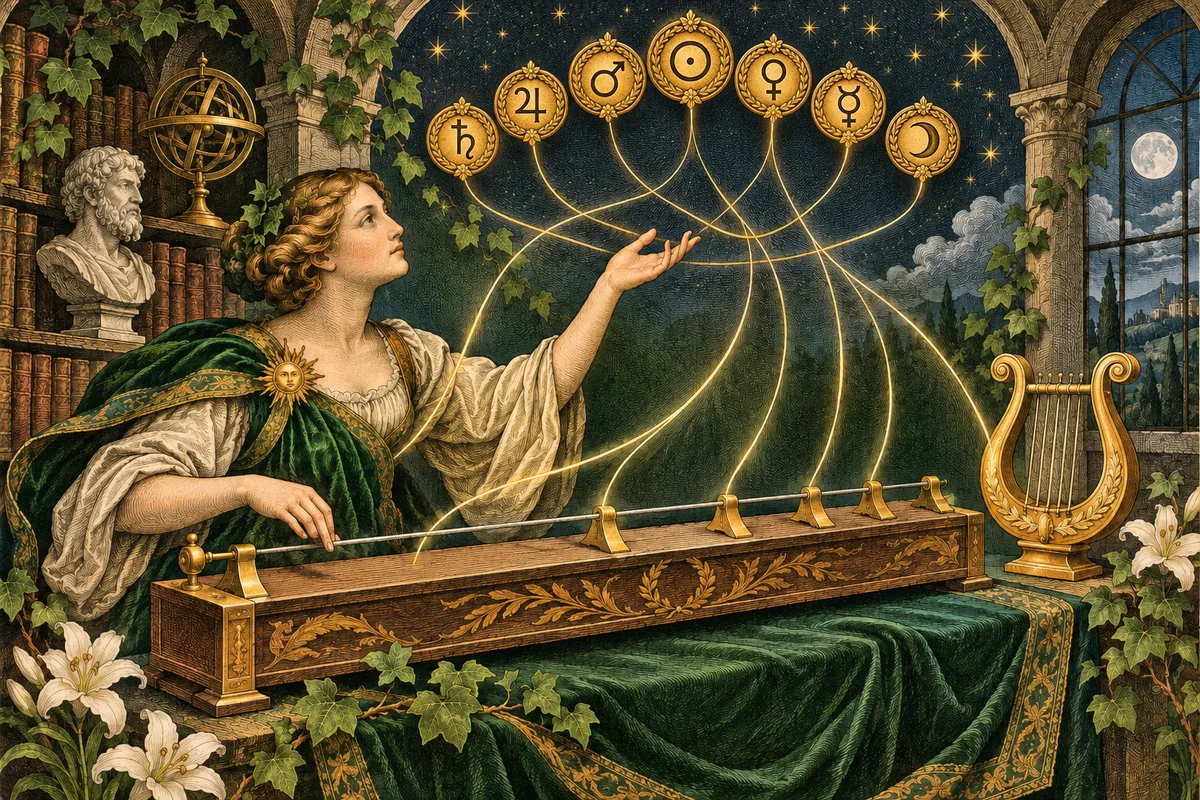
What would Saturn sound like?
Read aloud two planetary voices, then use two pairs of notes to hear the octave associated with the Sun and the fifth associated with Venus.
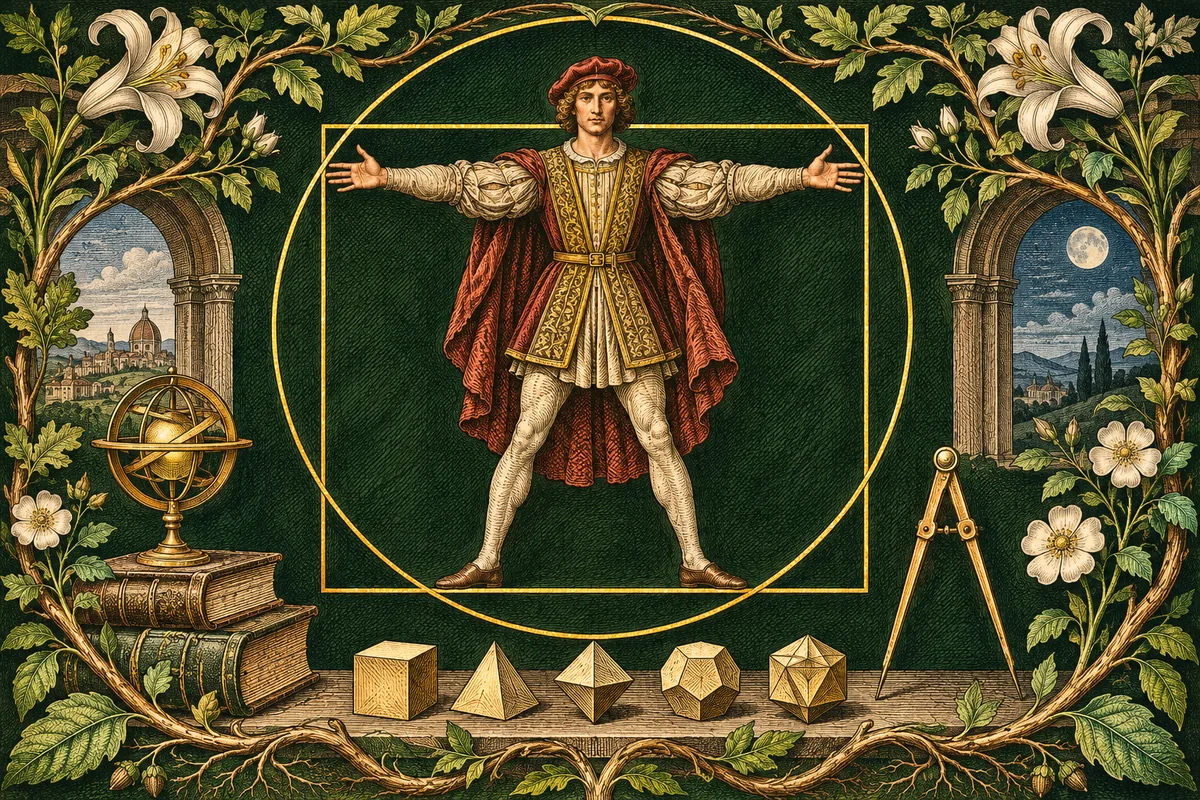
How to read a body in a square
The picture gives you a figure, a frame and two diagonals. Each does a different job in Agrippa’s argument.
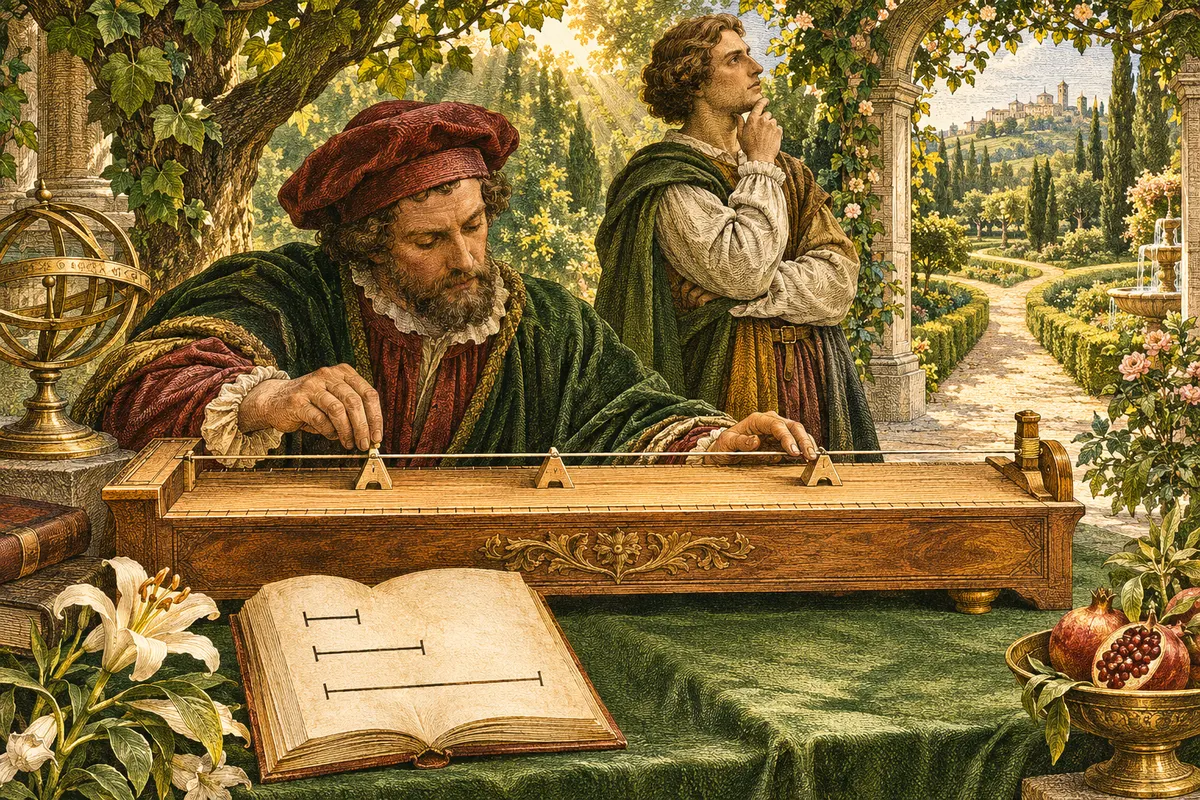
Can a decision be in tune?
Desire, anger and reason become three positions in a musical model of a person making choices.
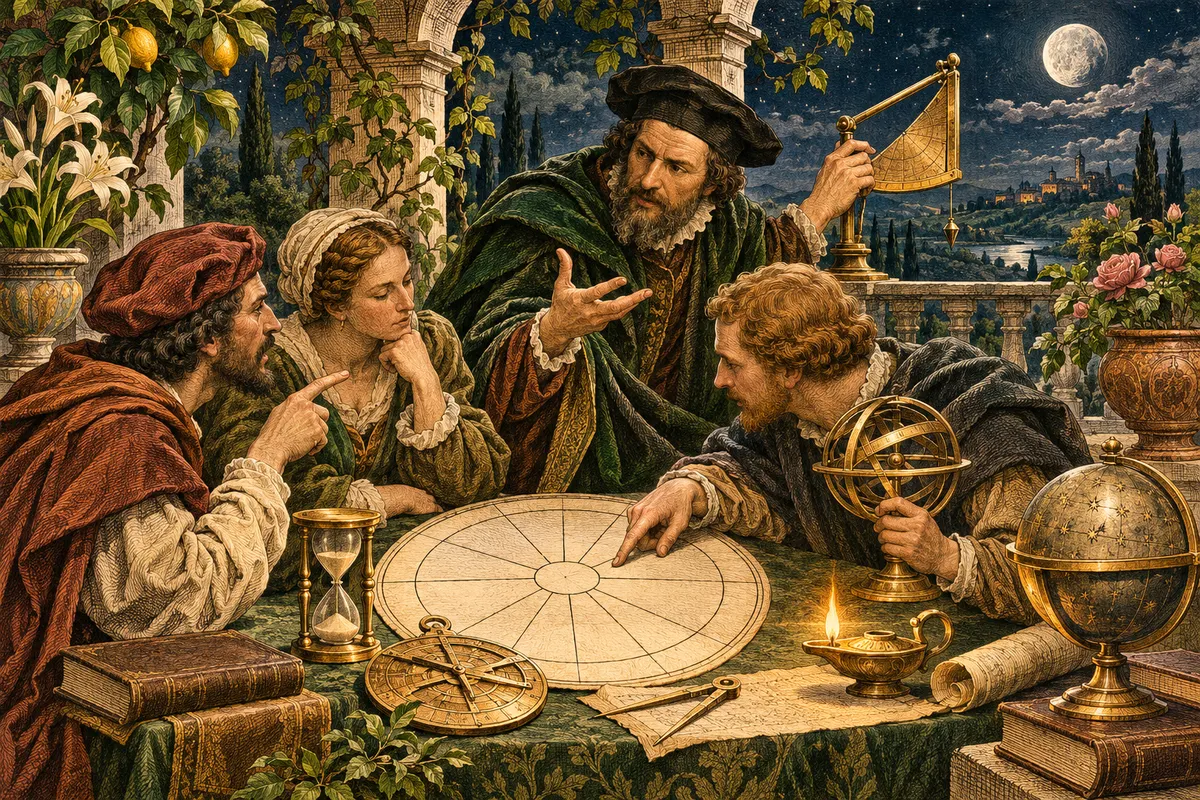
When is a planet strong?
Agrippa gives three people reading the same chart several reasons to argue about the meaning of one planet.
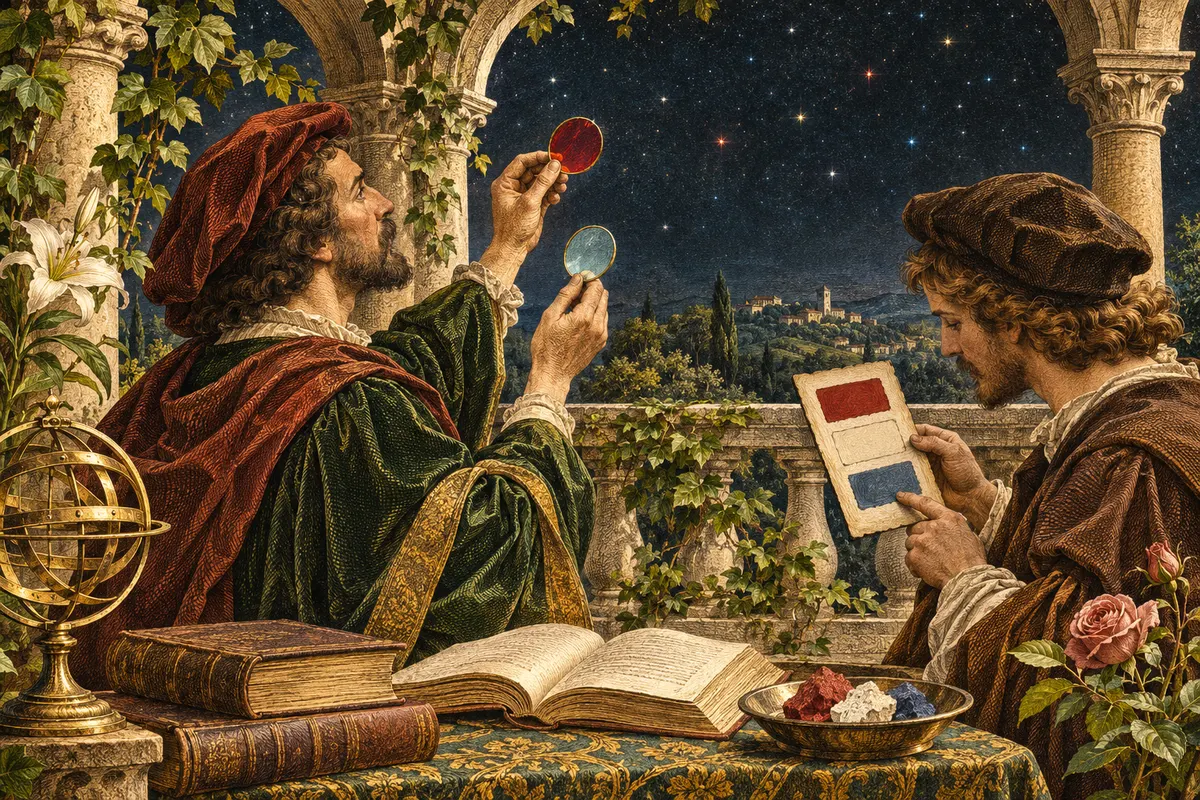
How does a star acquire two natures?
A fixed star can be described as both martial and Venusian in Agrippa’s catalogue. His color key is only the beginning.
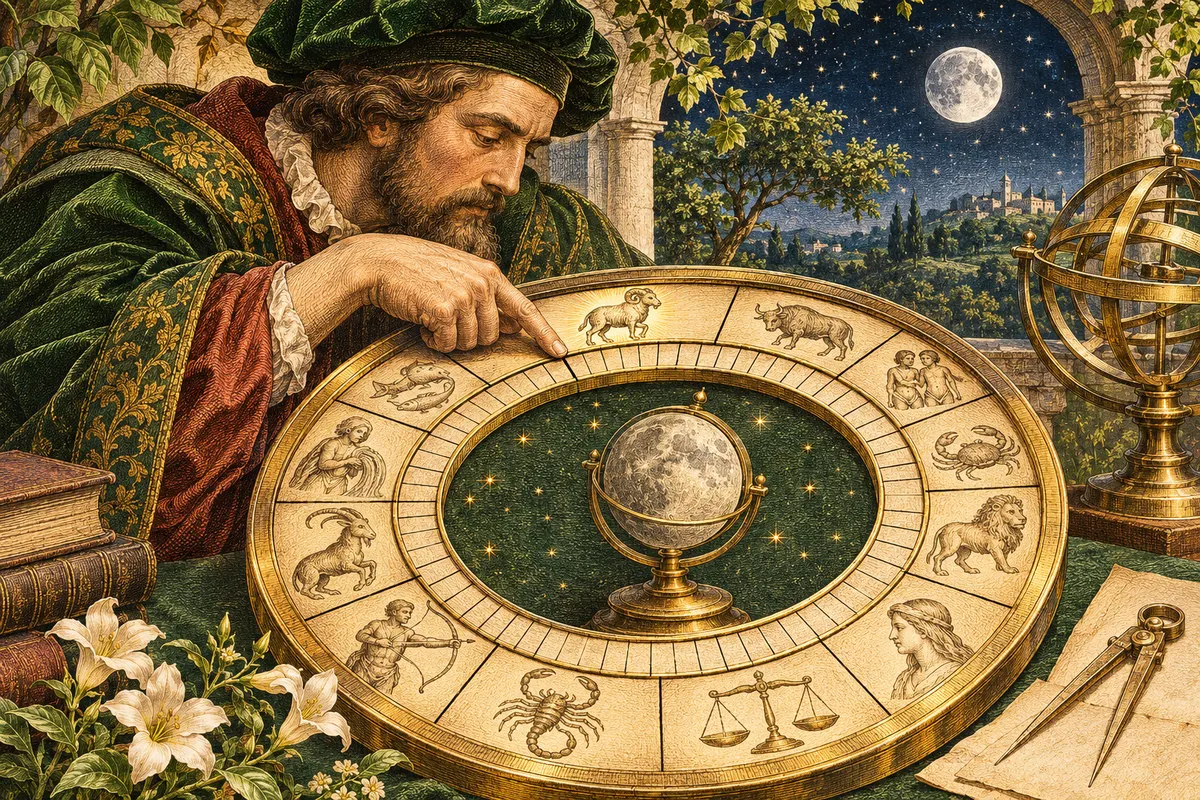
Give the Moon an address
Agrippa lays twenty-eight lunar stations across a zodiac with twelve signs. Follow their boundaries through Aries.
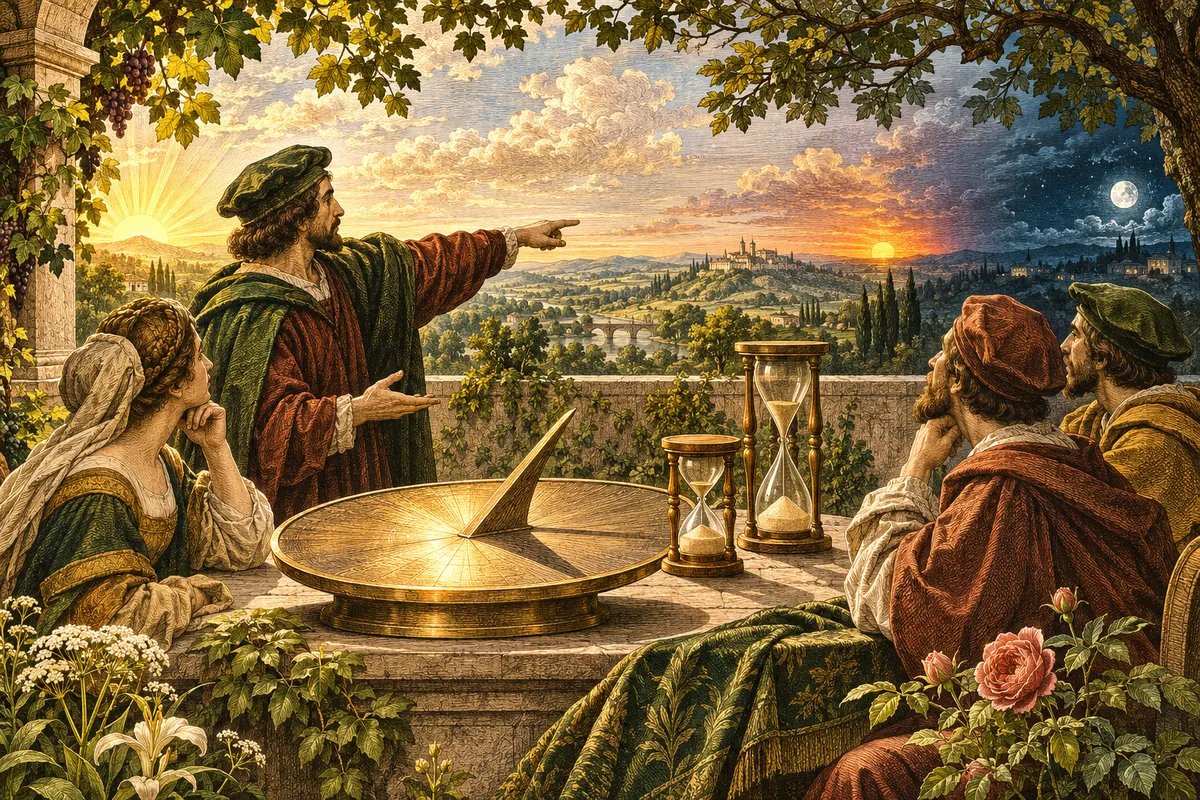
How long is a planetary hour?
Two readers can agree on the planet assigned to an hour and still disagree about when the hour begins.
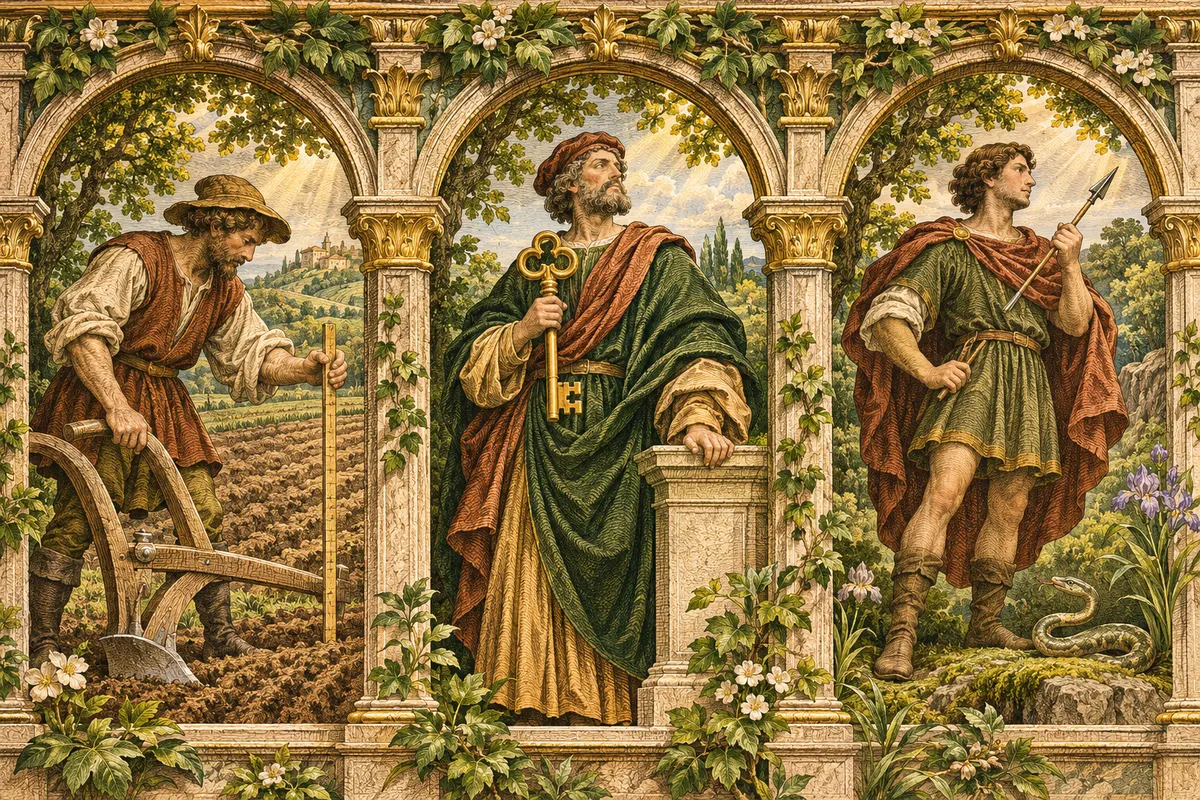
Who holds the key in Taurus?
A farmer, a key bearer and an armed figure occupy three different parts of a single sign.
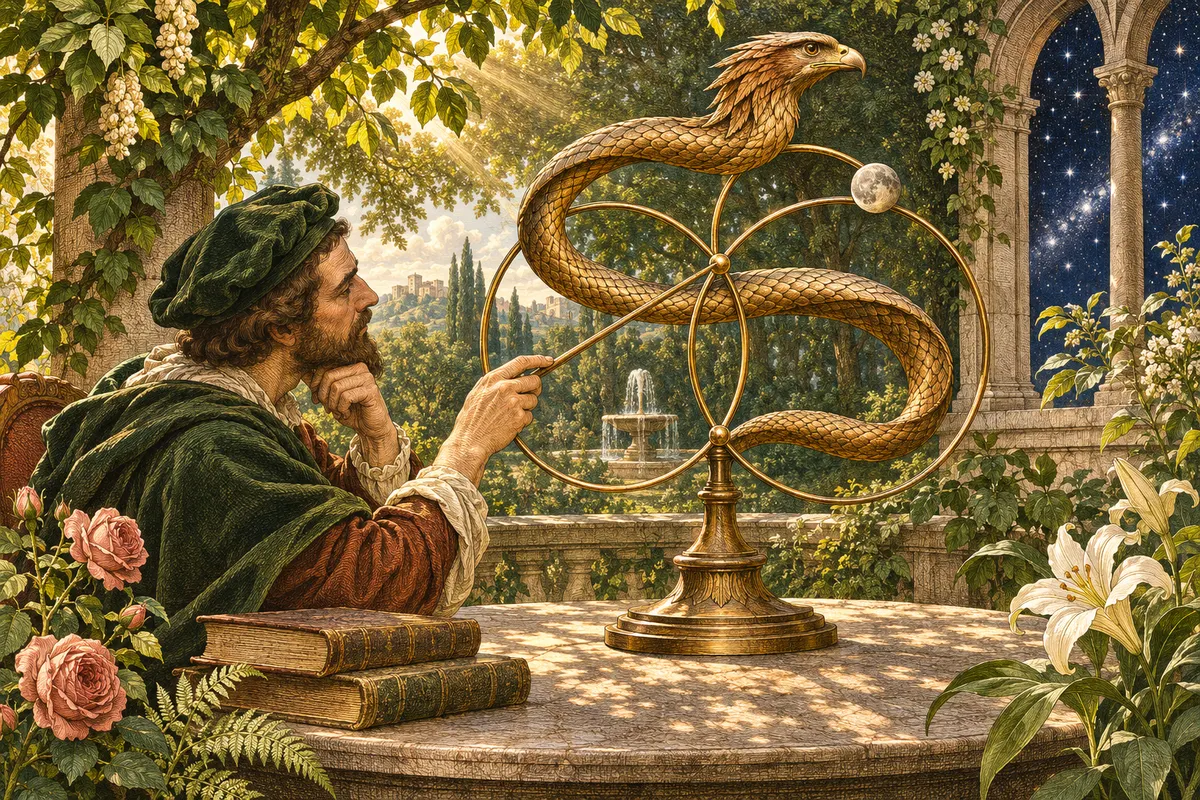
Why give the Moon a dragon?
A serpent with a hawk’s head sits among the lines of type. The chapter asks you to read its body, its outline and its habits.
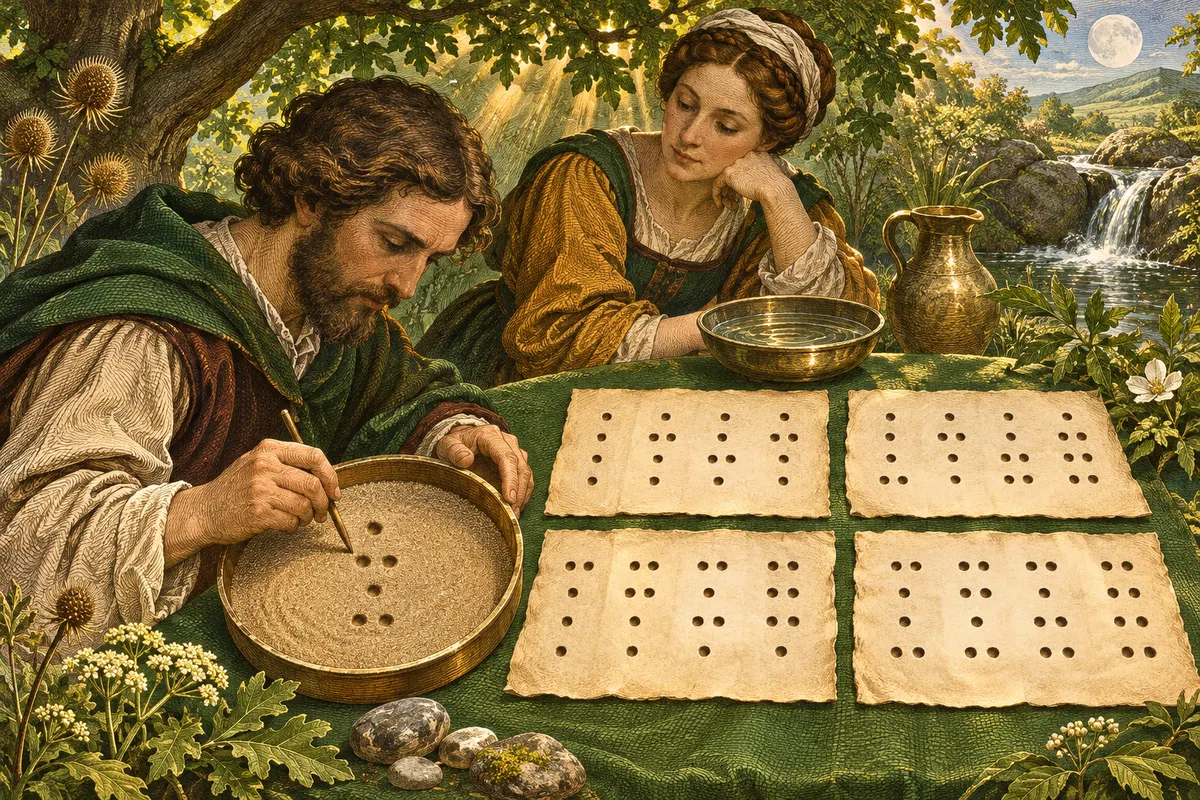
Why are there sixteen figures?
A four-row figure loses almost all the information in a count. What survives is enough to choose one row of a table.
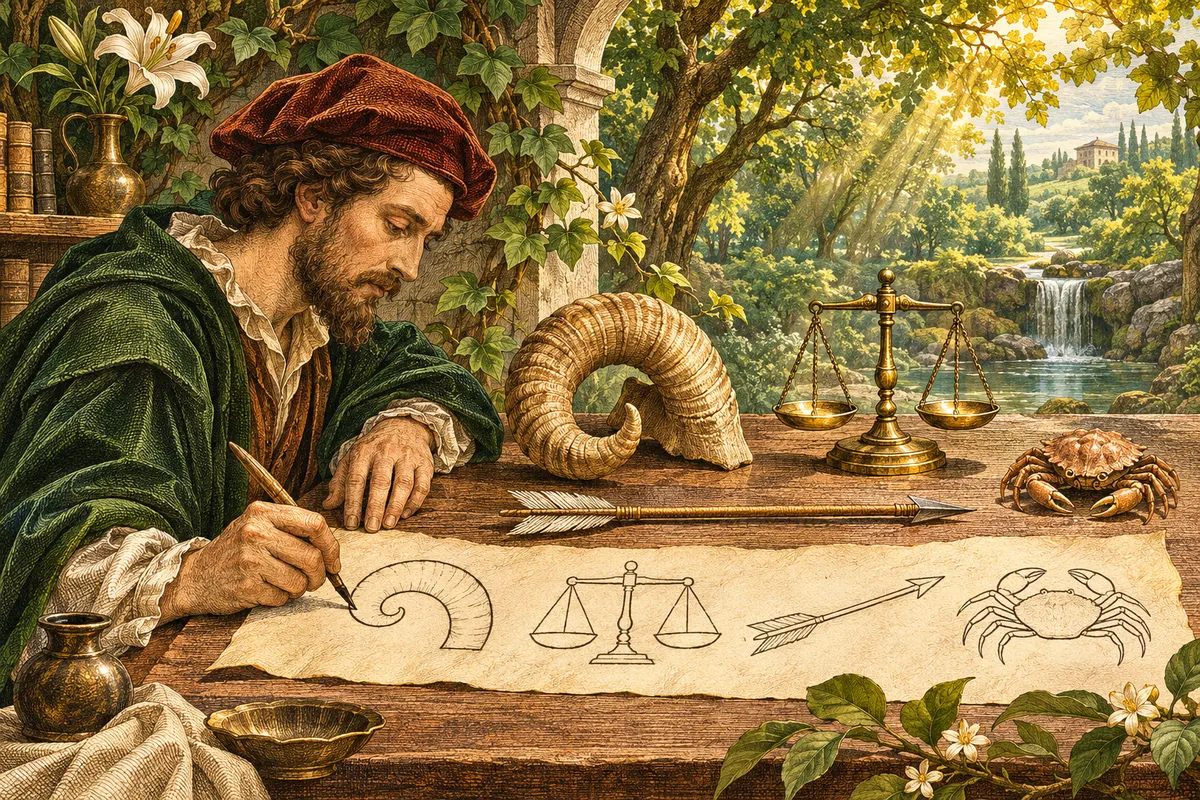
A whole animal in two strokes
Horns, a dart and a movement through water give Agrippa different routes from image to written character.
Reading a cosmos as a body
Agrippa places several poets on one page and asks their lines to answer a philosophical question about motion and life.
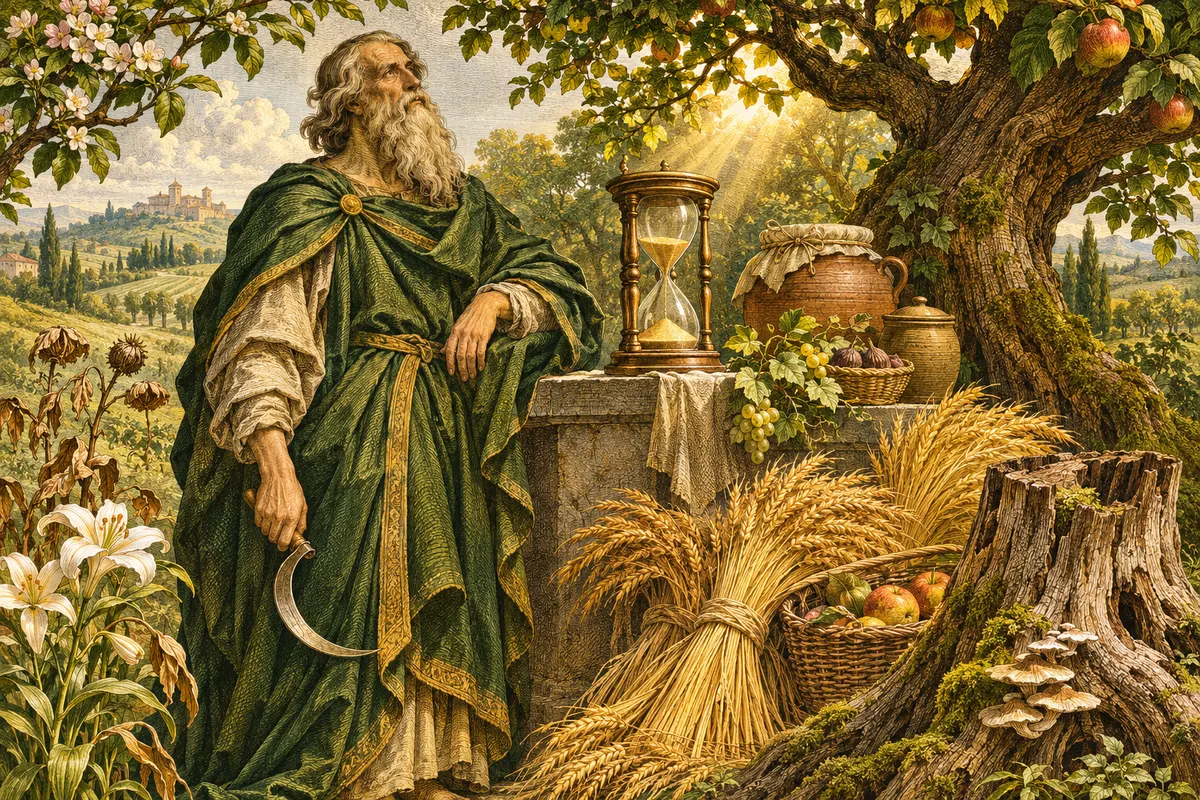
Why does Saturn keep a secret?
Timekeeper, keeper of secrets and revealer all belong to the same catalogue entry. Read the actions inside the names.
Inside Book II
Read all 60 chapters in the archive. Open a section below to choose a chapter.
CH. 1–15Numbers and their scales
Look for the different kinds of things Agrippa puts in the same row when they share a number.
CH. 16–22Writing numbers and arranging squares
Compare a number shown by the hand, written as a letter, and arranged as part of a planetary table.
CH. 23–28Geometry, music, and the body
Trace how a measurable proportion becomes a model for hearing music and understanding a human being.
CH. 29–34Reading the sky
Distinguish what an observer measures in the sky from what an astrologer interprets about a particular moment.
CH. 35–47Images of planets and stars
Follow the choices of figure and timing that Agrippa thought tied an engraving to a particular part of the sky.
CH. 48–60Signs, souls, and the celestial ascent
See how a chapter on drawing a sign leads toward questions about whether the heavens have minds of their own.
- 48Geomantic figures
- 49Images of an intended outcome
- 50Celestial timing in image making
- 51Characters derived from geomancy
- 52Characters made through resemblance
- 53Astrology in divination
- 54Casting lots
- 55Traditions about the world soul
- 56Arguments for celestial souls
- 57Divine understanding in the heavens
- 58Celestial names and earthly rule
- 59The seven planetary rulers
- 60Spoken intention and the mind’s ascent