Natural Magic
Read plants, stones, and metals through the hidden qualities Agrippa believed they shared.
Turn the book’s pages
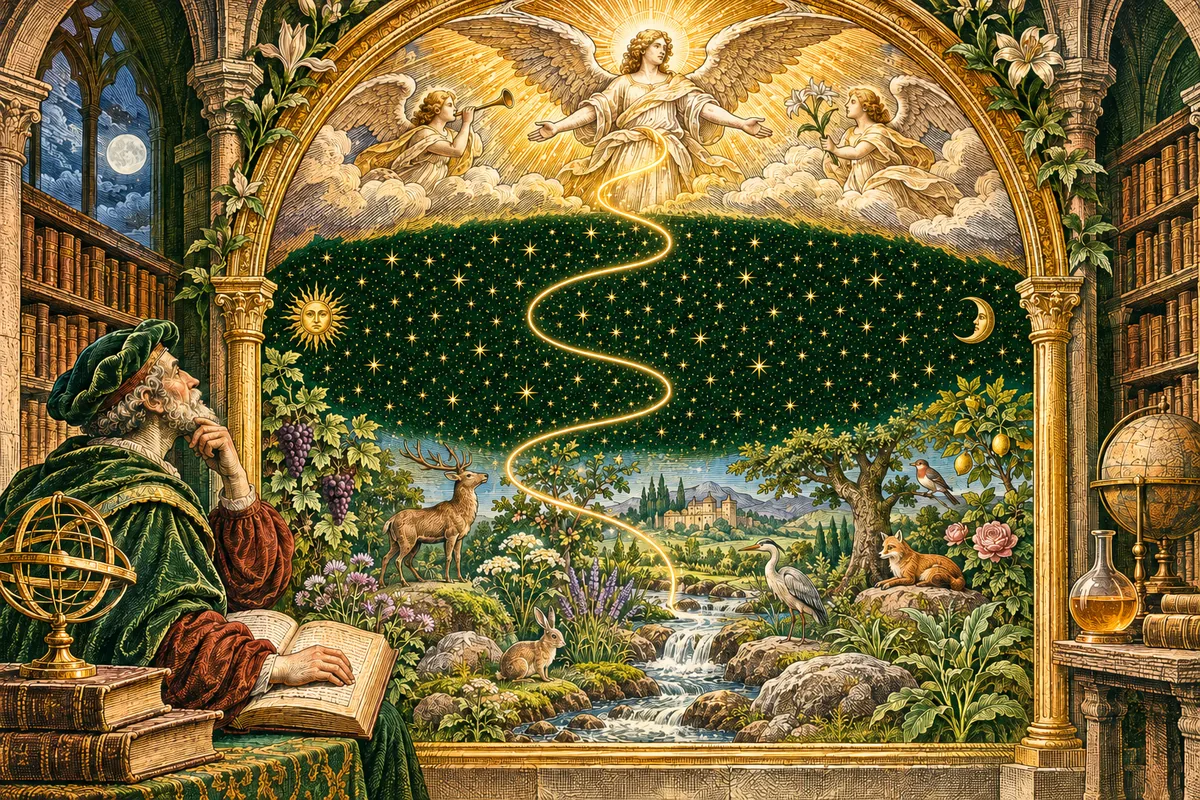
A map of the three worlds
Use the first page to draw Agrippa’s chain of causes, then turn the arrows around to see the course of study he proposes.
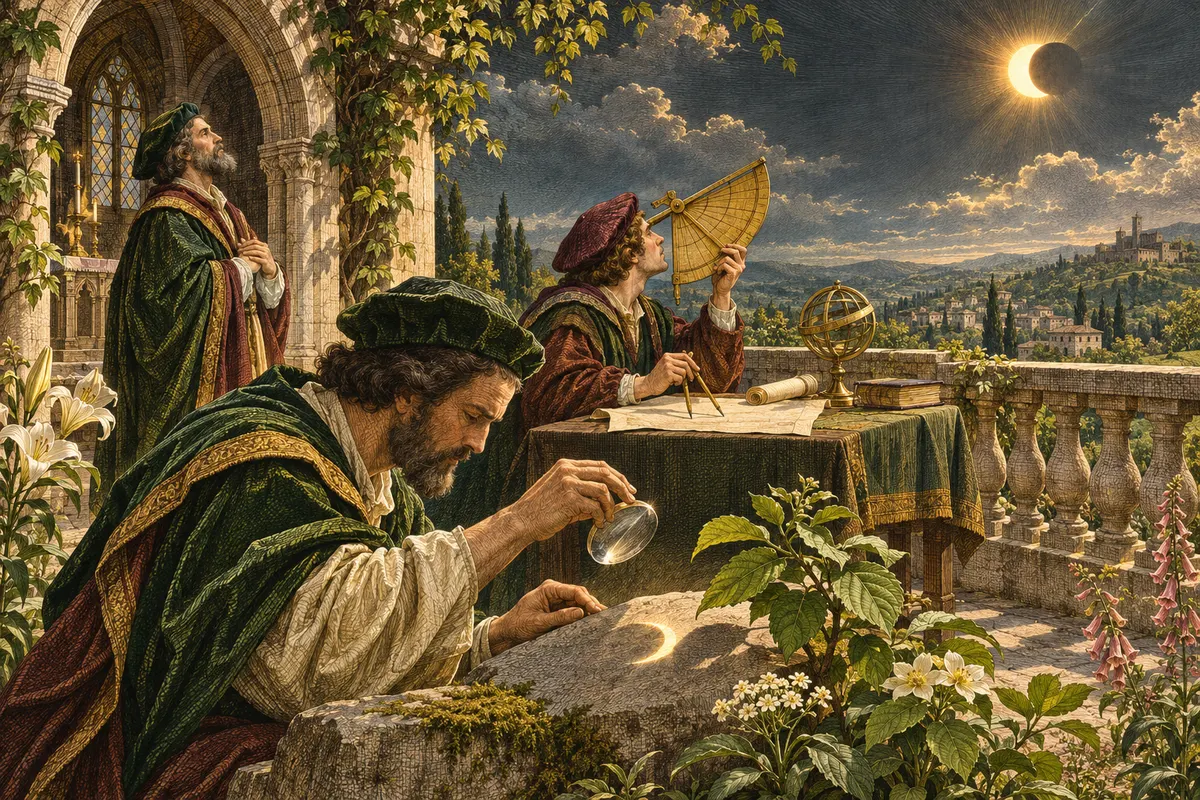
What should a student of magic learn first?
Use an eclipse to separate three kinds of expertise in Agrippa’s curriculum.
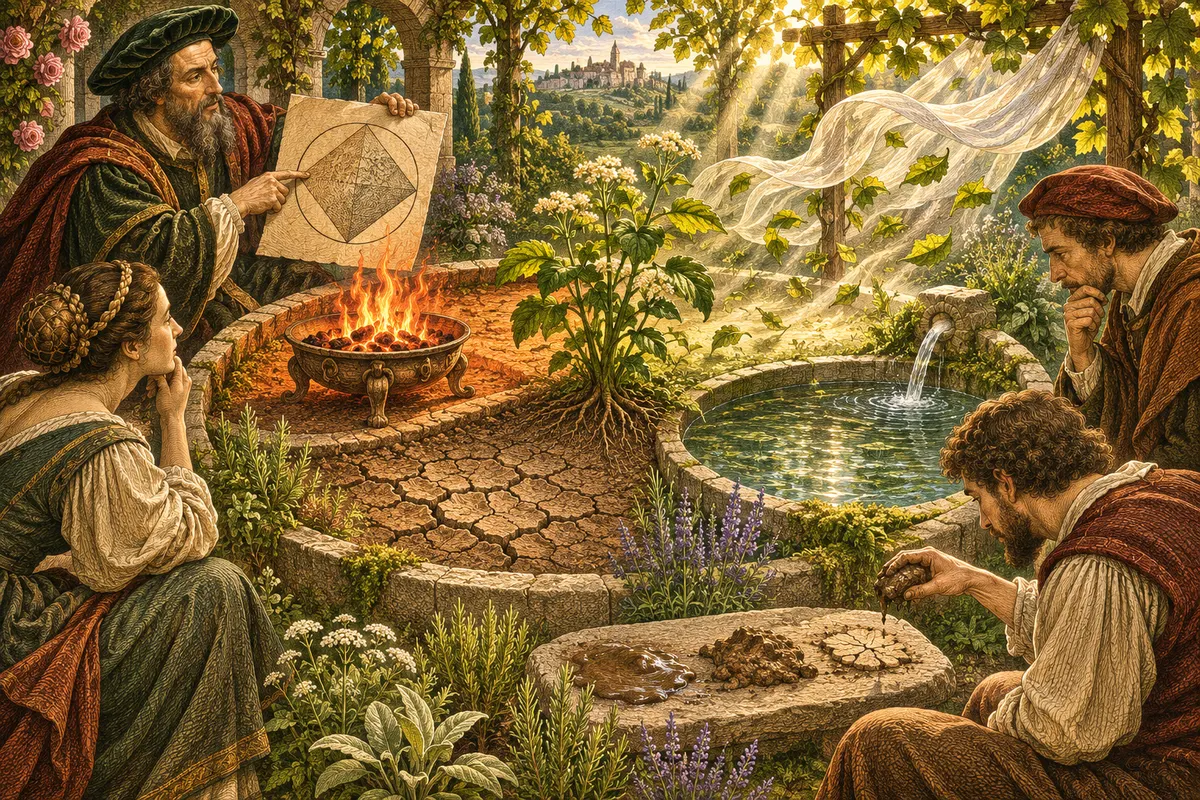
What holds the four elements together?
Draw Agrippa’s four-element diagram, then use a patch of drying mud to test what his diagram explains.

How can one fire have so many effects?
Compare three places Agrippa finds fire and decide which parts of his argument you could reach by observation.
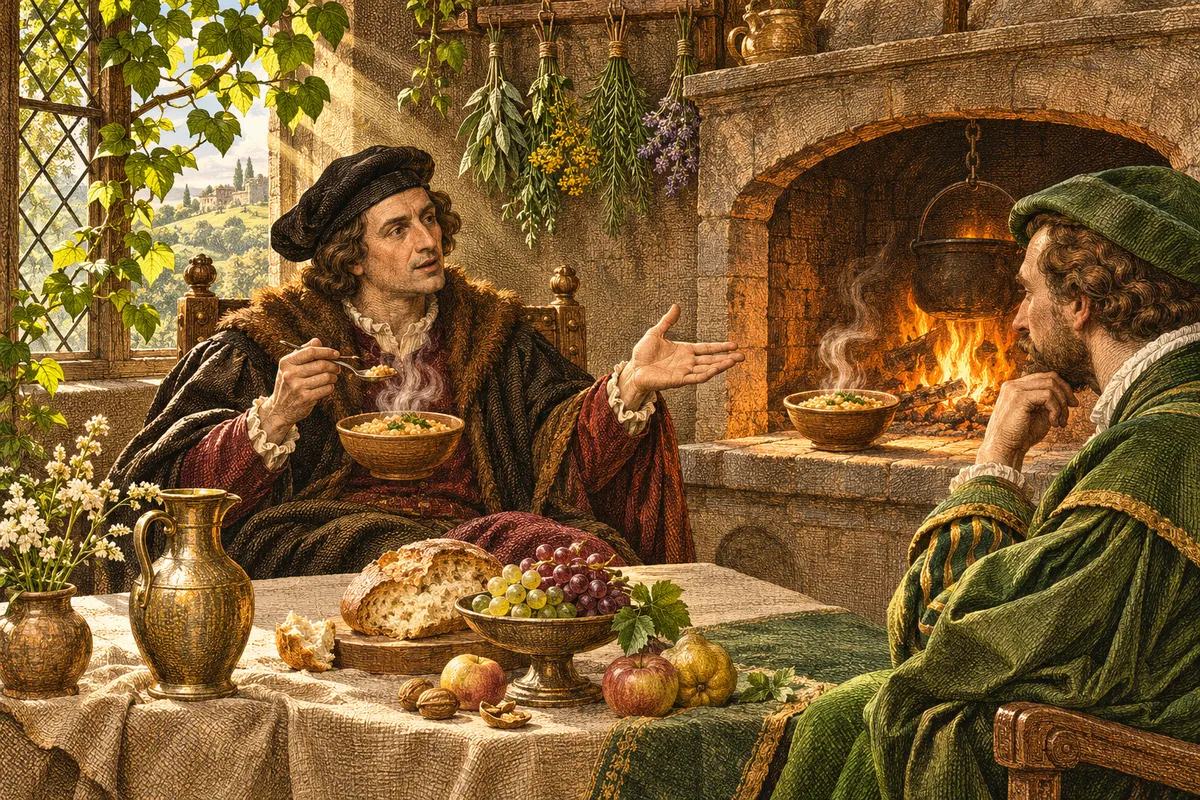
Why compare a stomach with a fireside?
Use Agrippa’s dinner by the hearth to reconstruct an argument for hidden natural powers.
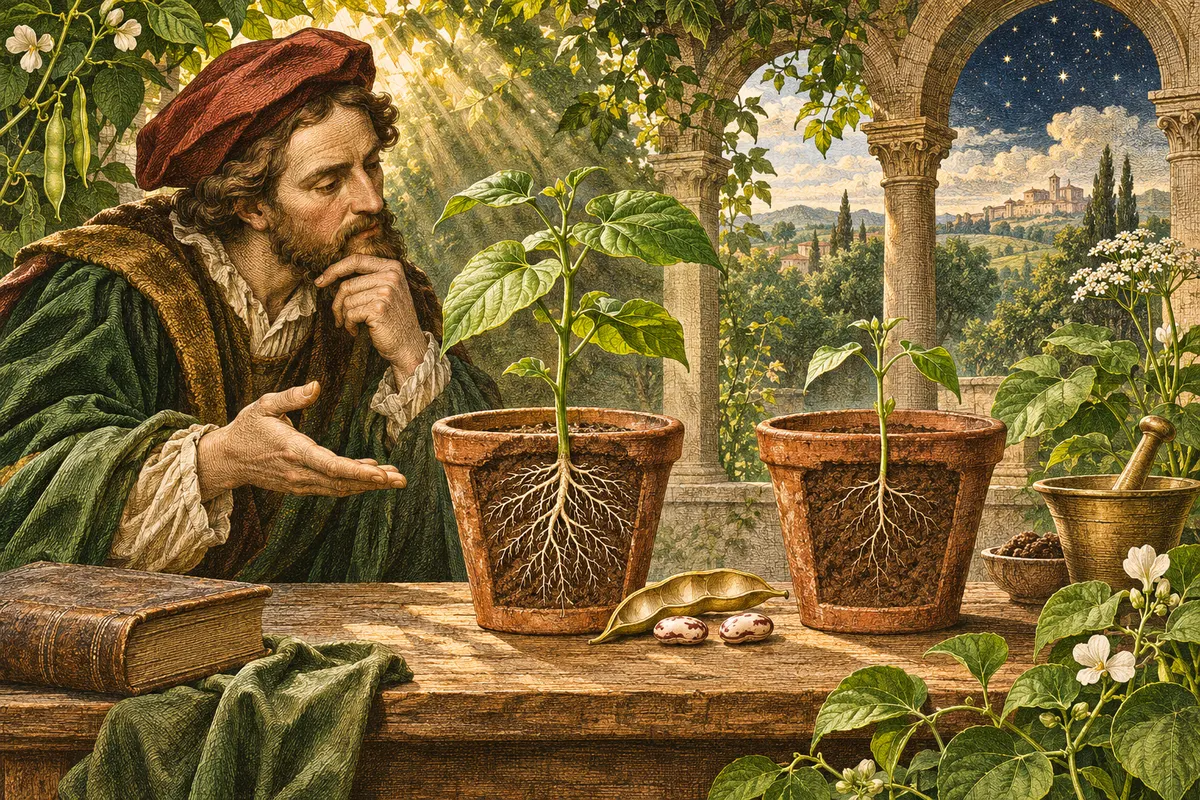
Why should two seeds of one kind differ?
Think through two seedlings and follow Agrippa’s comparison between a responsive body and a responsive world.
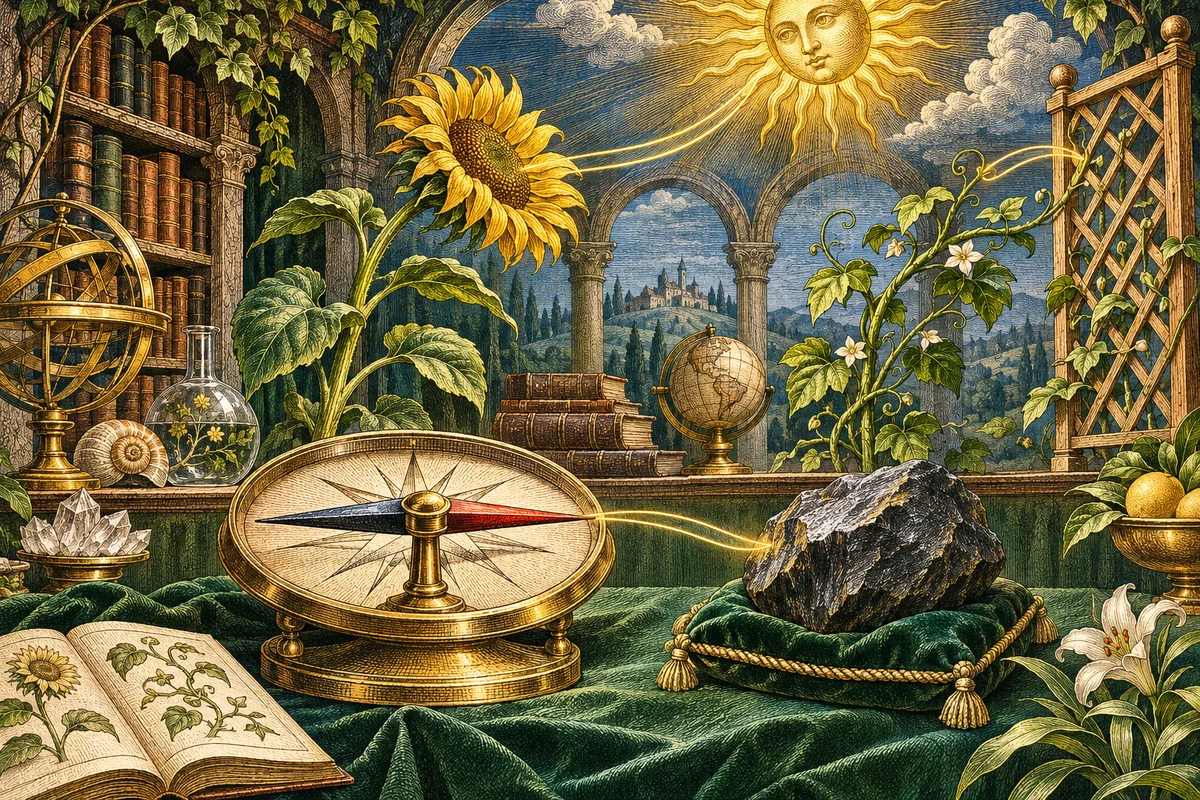
What a magnet could teach
Read the lodestone, diamond, and amber together to distinguish an observed motion from Agrippa’s explanation for a material’s power.

How could a soul move a stone?
Build the missing middle of Agrippa’s chain of causes, then see what the word quintessence contributes.
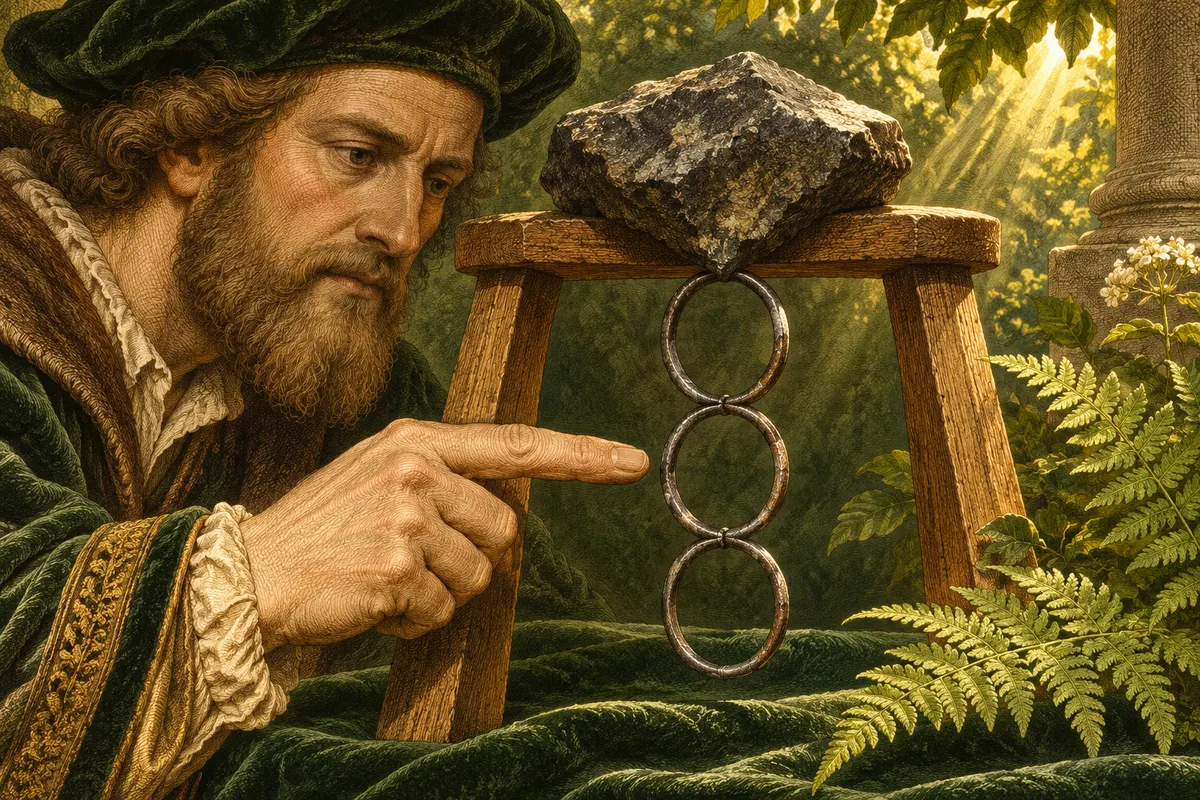
When does a receiver become an agent?
Distinguish an object moving from an object acquiring a power to move something else.
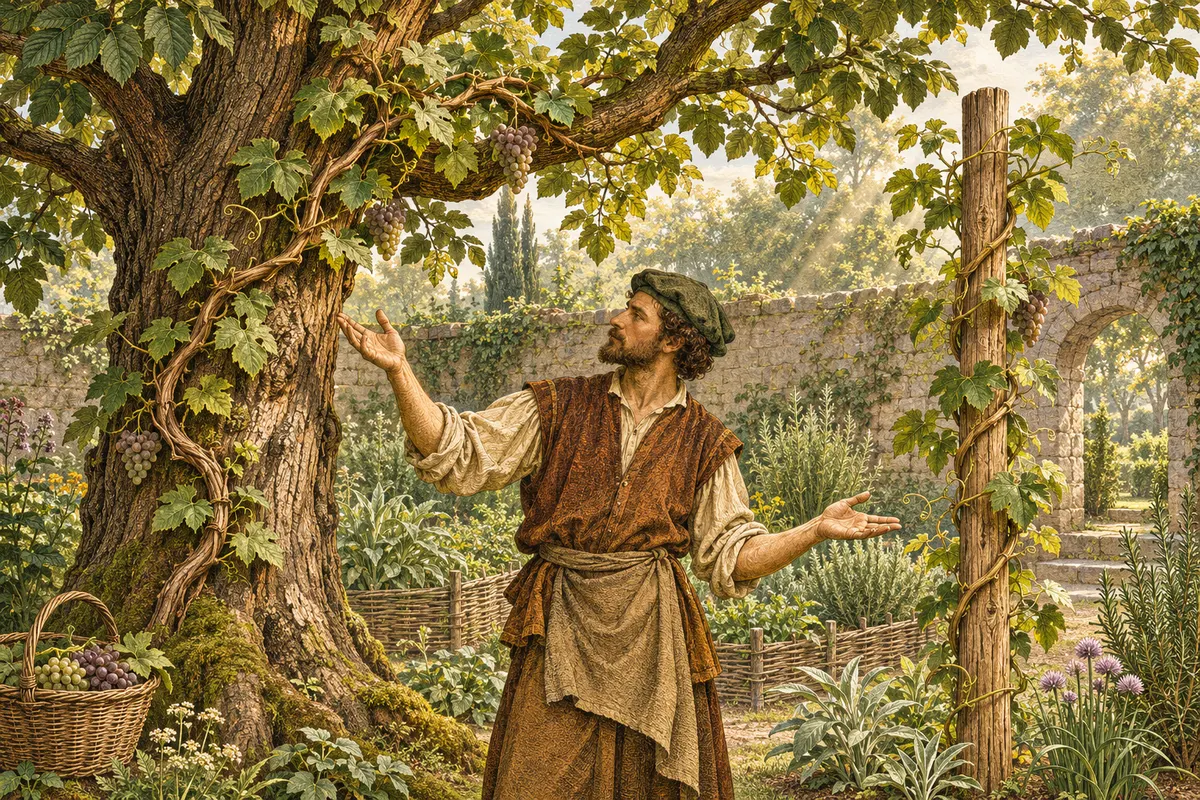
What does it mean for a vine to love an elm?
Follow a vine up an elm to uncover the work that the words friendship and enmity do in natural magic.
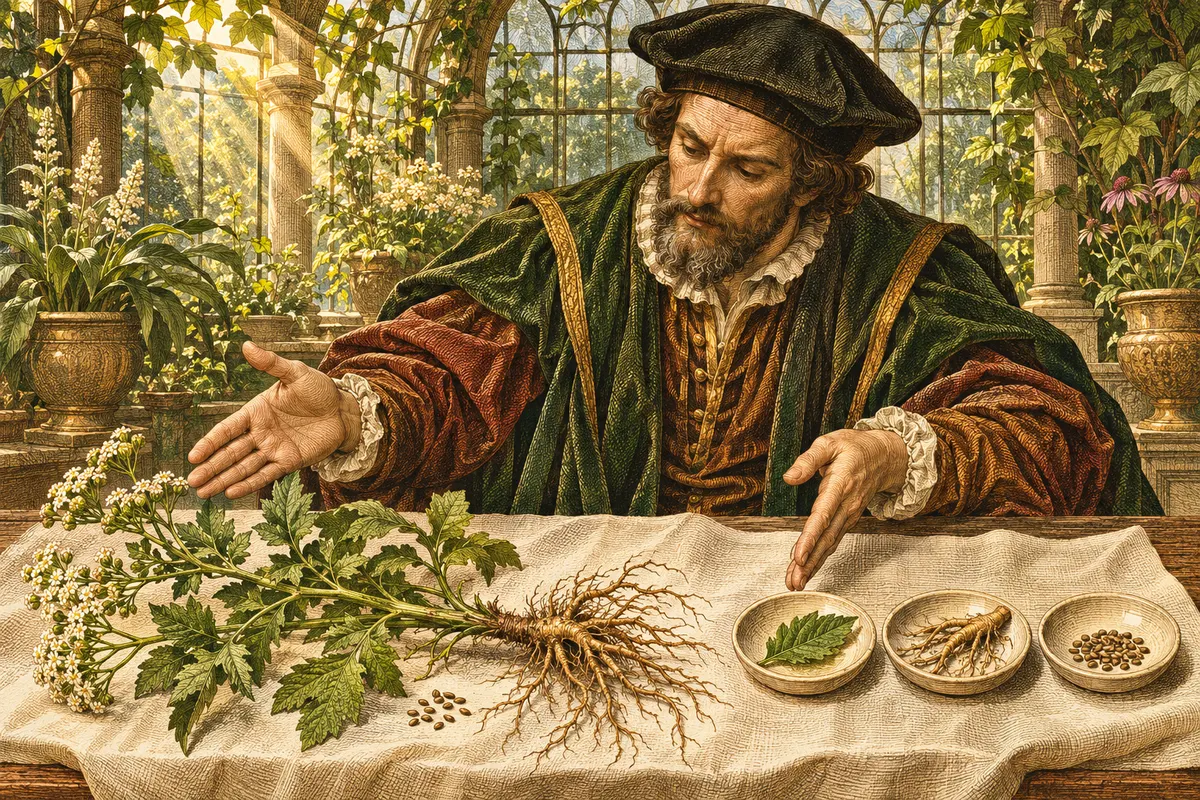
Where does a creature’s power reside?
Draw the boundary around a claimed effect and see how changing that boundary changes the claim.
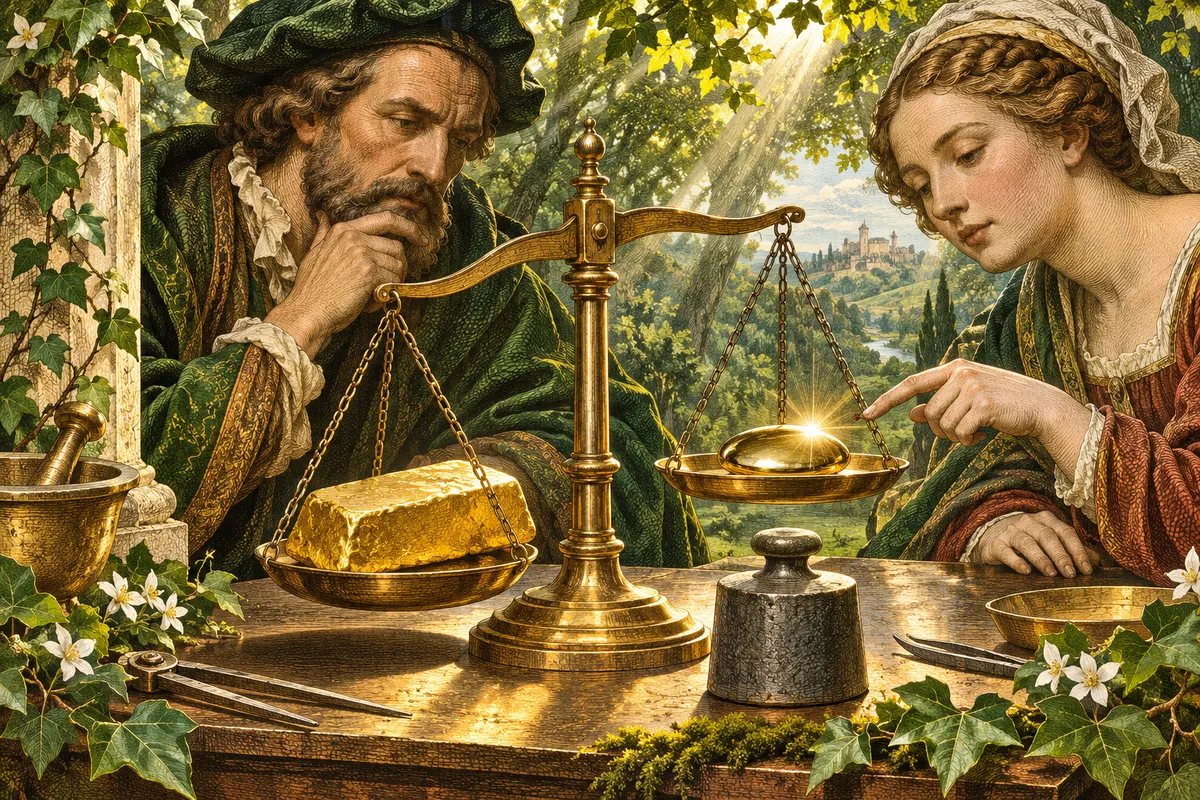
Why gold belongs to two planets
Follow the translator’s “by reason of” on pages 51 and 55 to see how Agrippa assigns a material to a planet.

What makes a chameleon lunar?
Sort the lunar catalogue by colour, moisture, and changing appearance to recover the reasons inside the list.
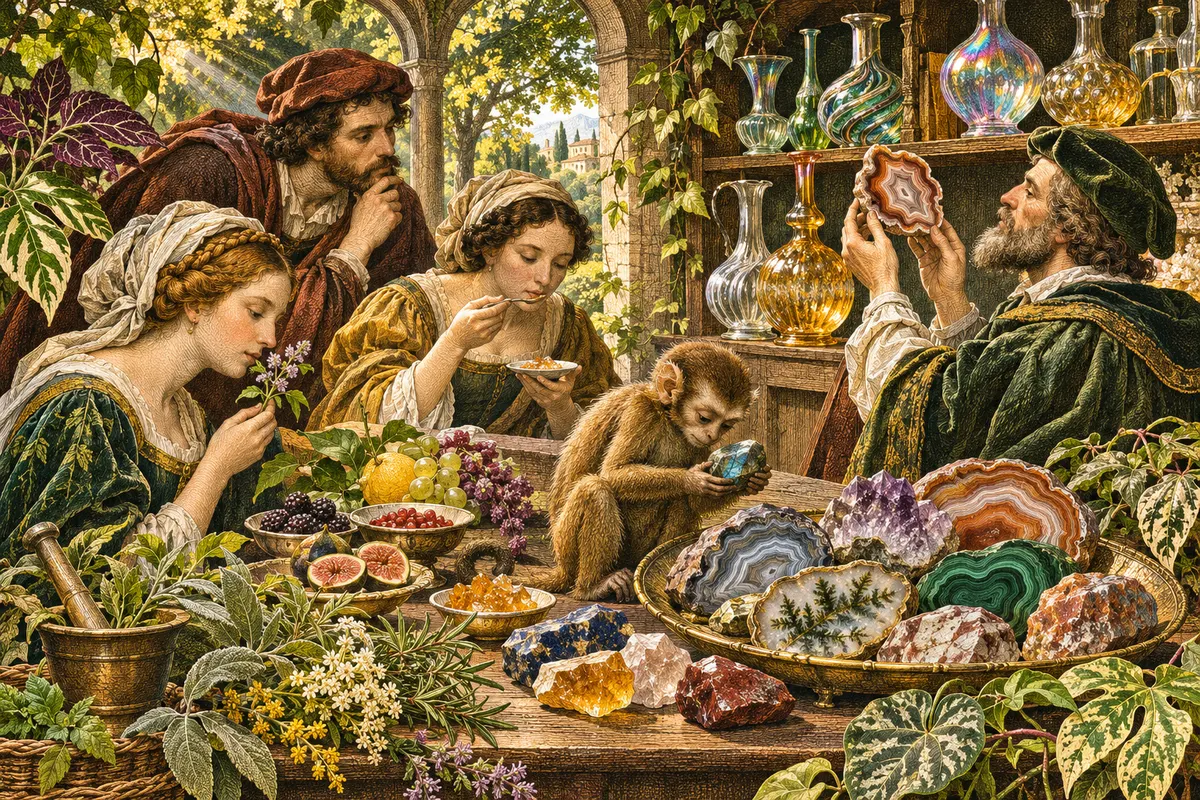
How do you paint Mercury’s taste?
Read across the senses to see how Mercury comes to govern variation as well as particular objects.
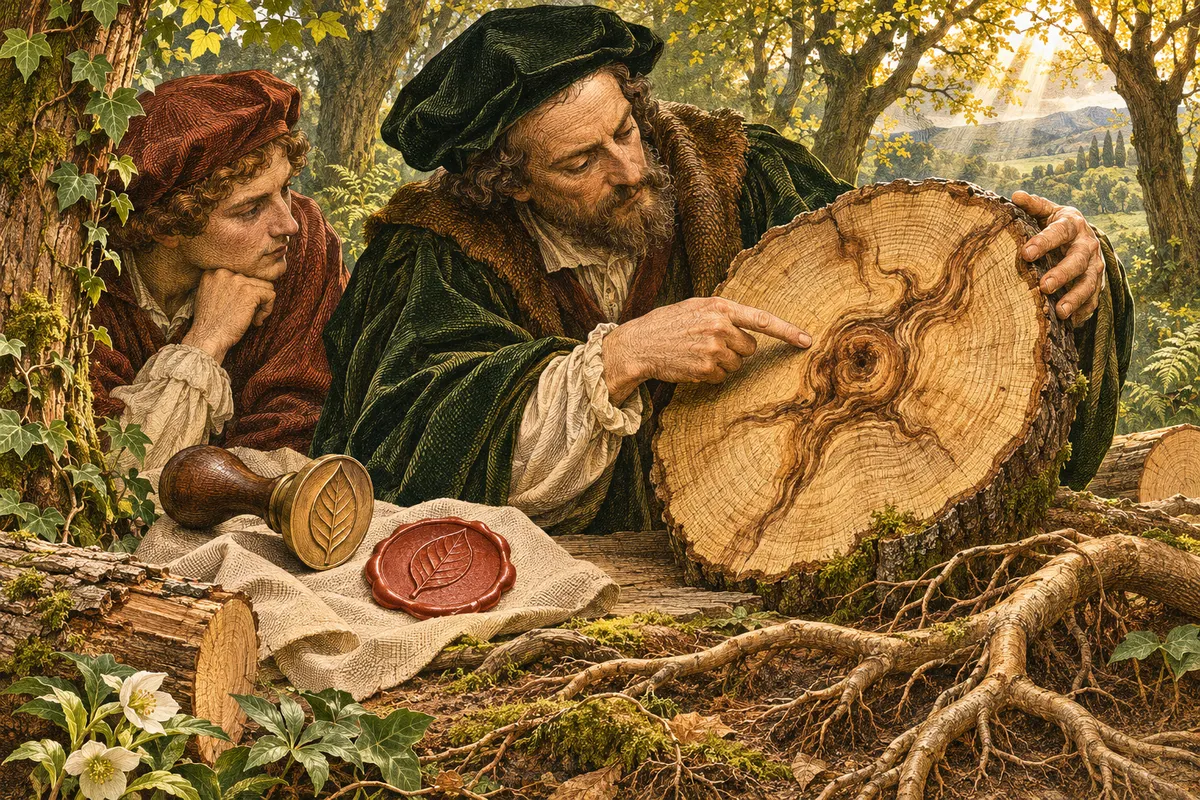
Who made the mark in the wood?
Read a knot of wood as a sign, then ask what would let someone identify the star that supposedly made it.
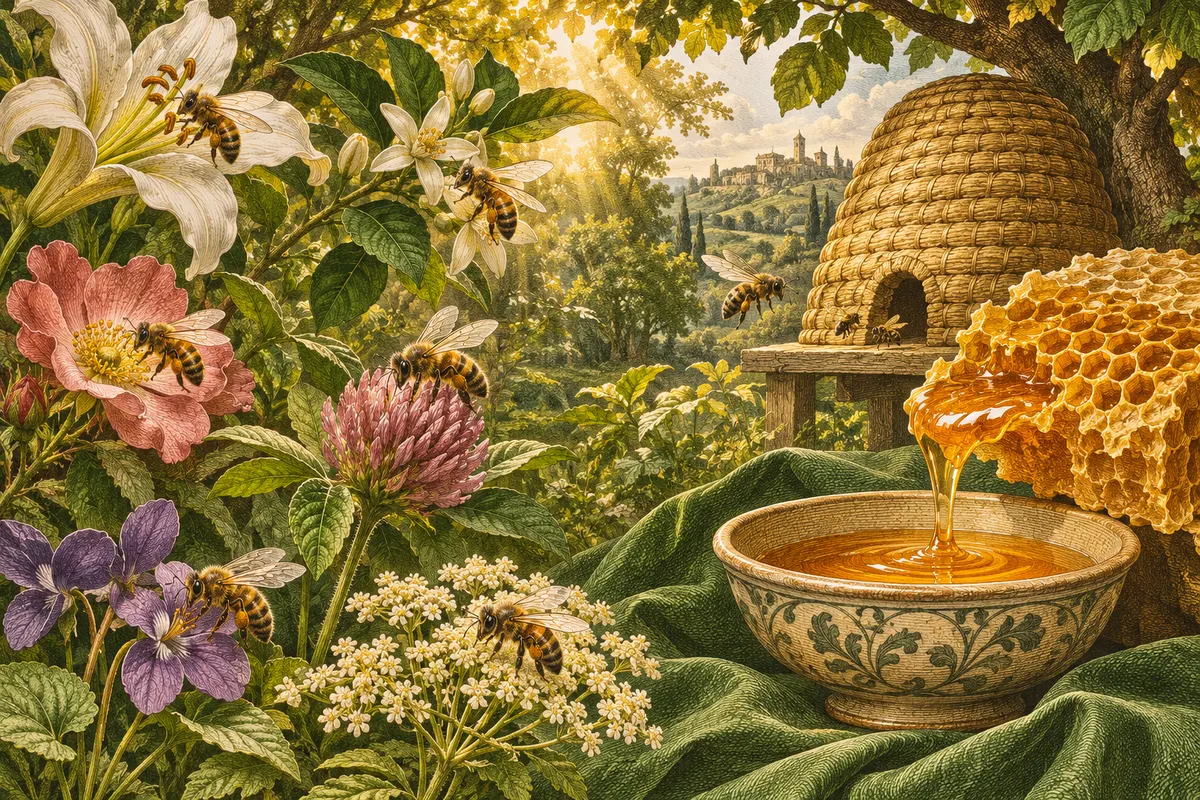
Can many flowers become one thing?
Use the bee’s collection to distinguish the contributions of ingredients from the form of a finished mixture.
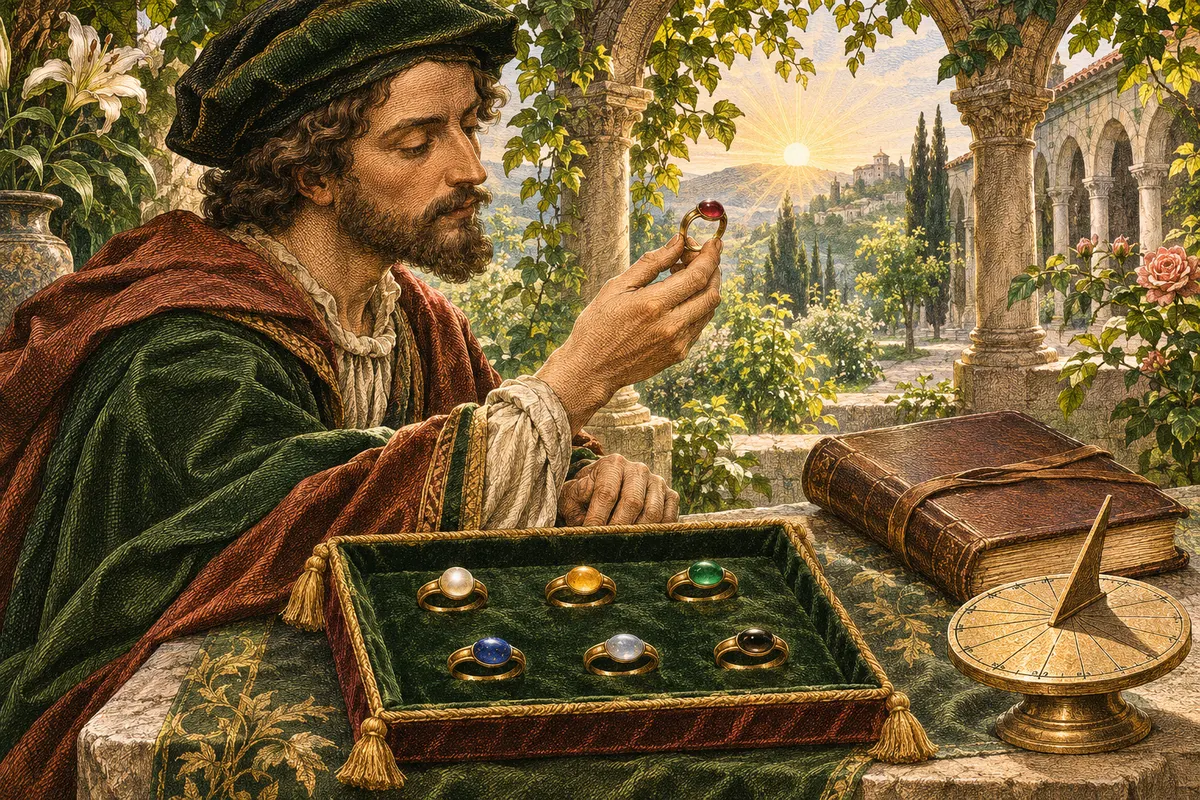
Why would someone need a ring for each day?
Read the reported gift to Apollonius as a collection whose meaning depends on time as well as craftsmanship.
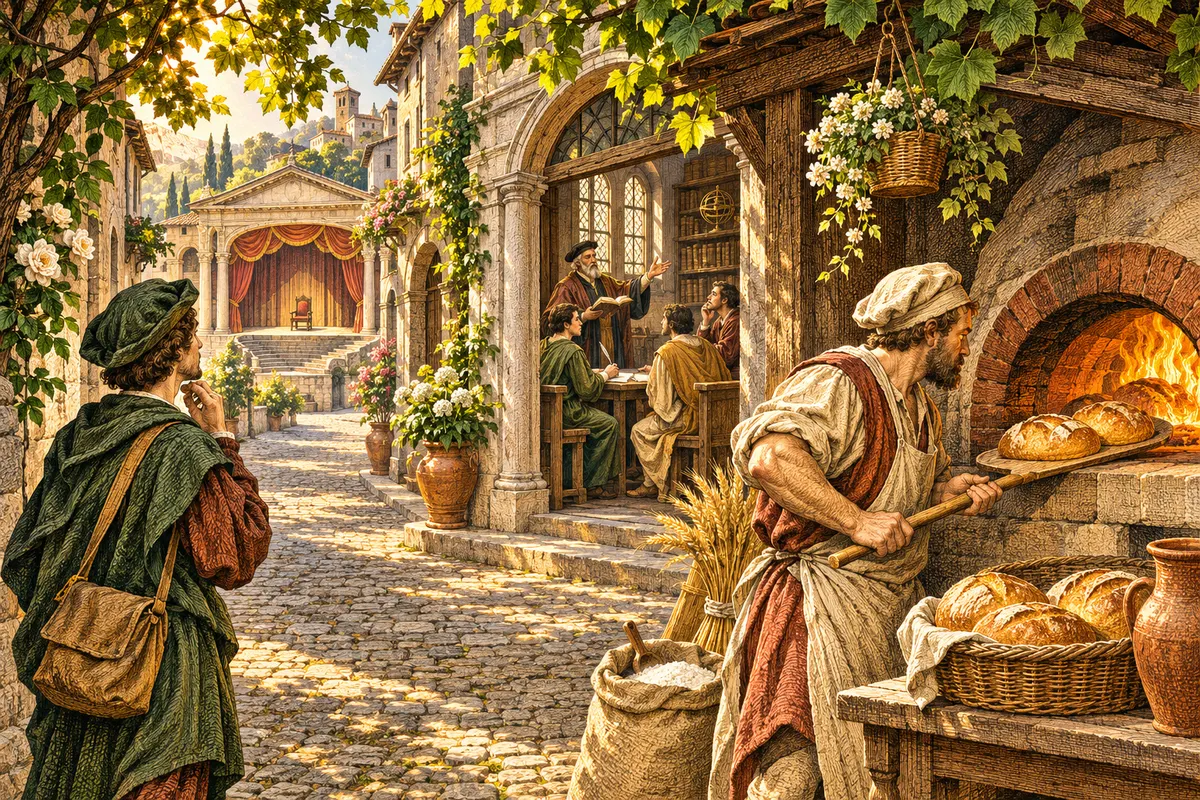
Which planet rules a bakery?
Follow Mars into a bakehouse and Jupiter into a school to discover the different clues in Agrippa’s map of places.

What happens to light when the receiver changes?
Trace light from intelligence to an eye and a dark body to see how a receiver changes its manifestation.

What does a prince’s expression do to a city?
Read the prince, the mourner, and the kneeling figure as three separate links in an argument about posture.
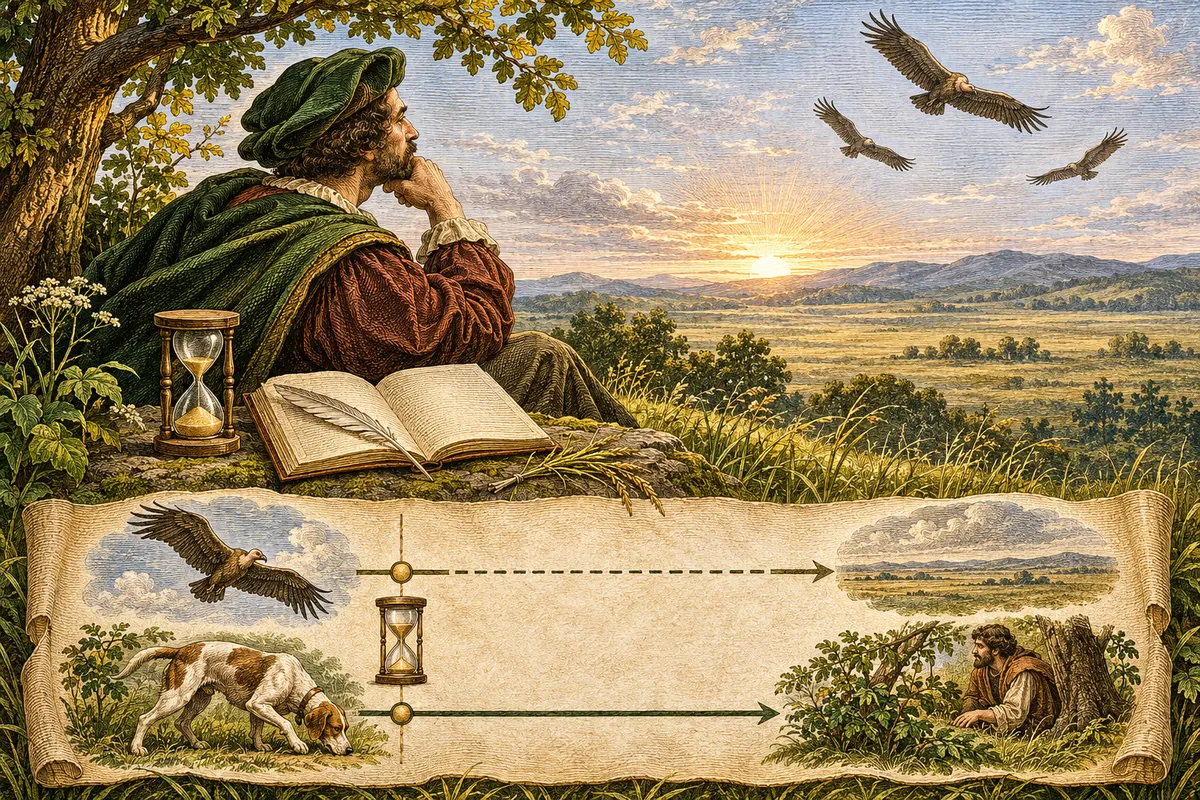
Did the vultures arrive before the battle?
Put Agrippa’s story of vultures on a timeline and compare it with his example of a tracking dog.
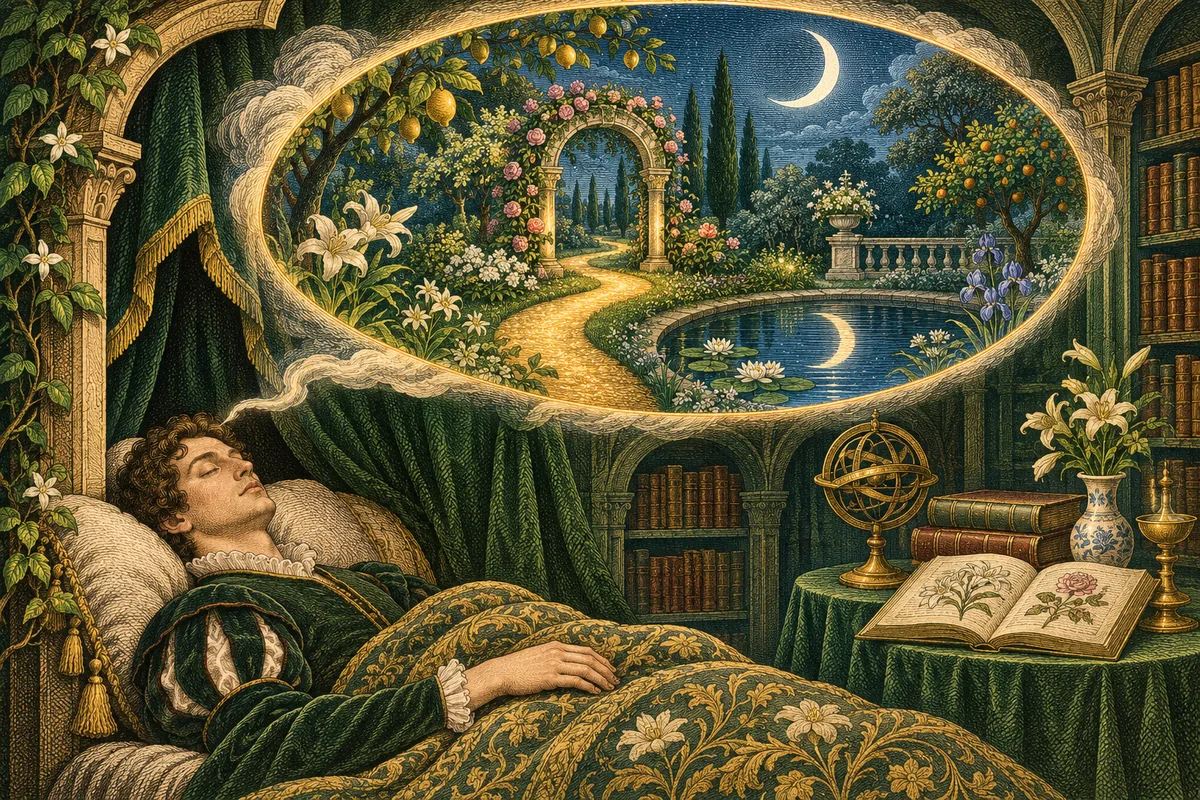
Why can’t one dream dictionary serve everyone?
Compare two dreams of a bridge and reconstruct the recording practice Agrippa takes from Synesius.
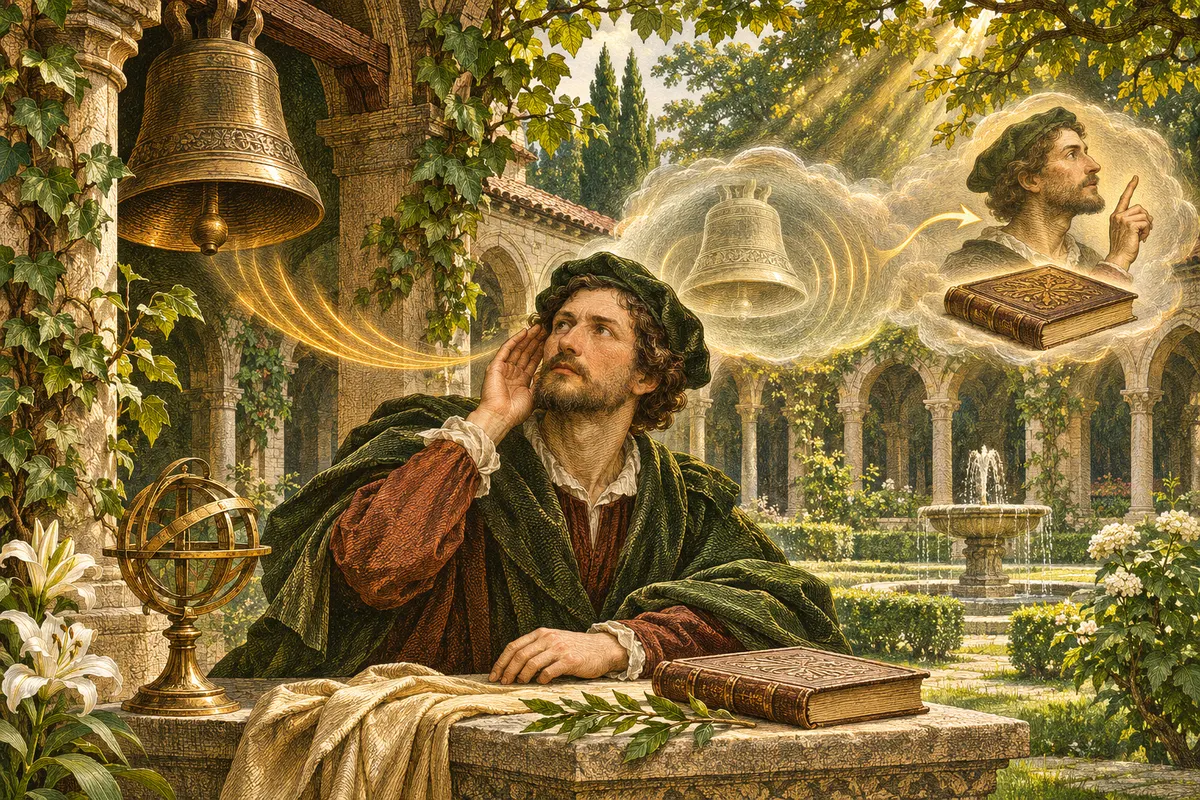
How does a bell survive its last note?
Follow a bell’s note through the four inward senses in Agrippa’s account of perception.

How does a locked door turn desire into hope?
Use a missing key to separate desire, hope, and despair in Agrippa’s eleven-part account of the passions.
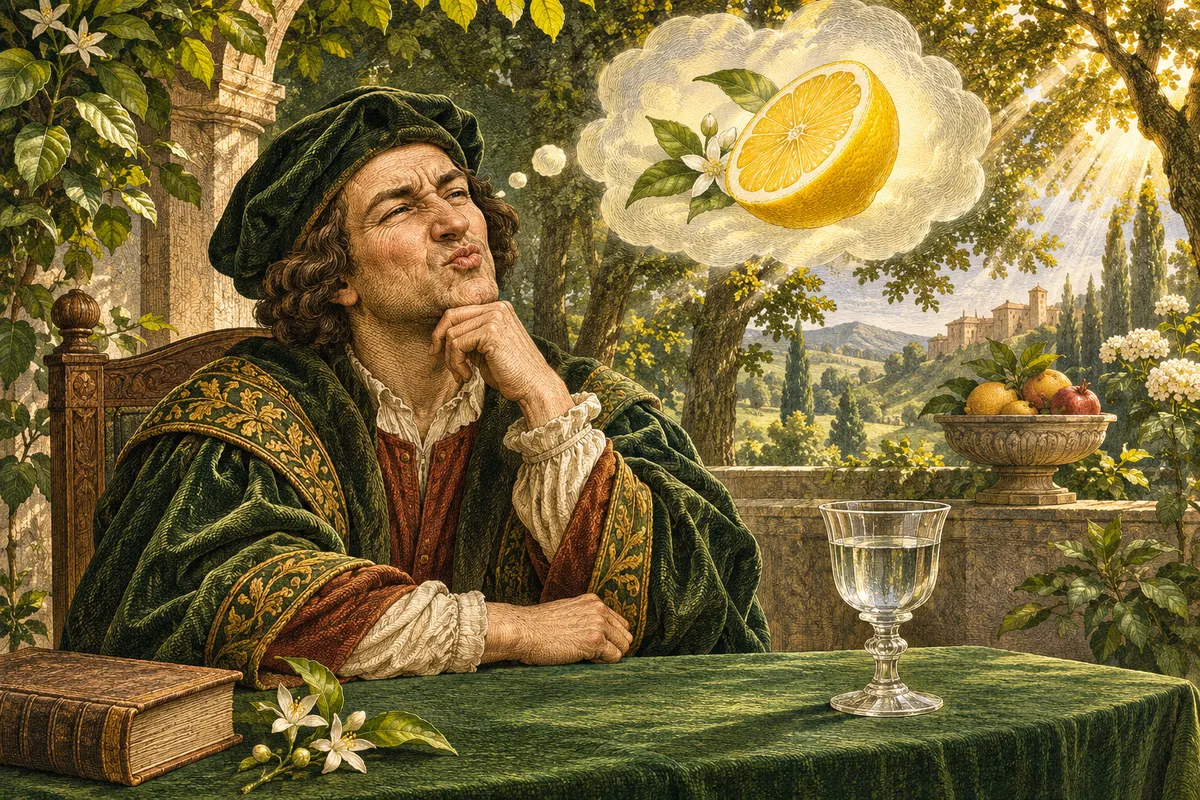
Can an imagined taste change the mouth?
Follow his transition from hearing of sour food to much more ambitious stories of bodily imitation.
Where is a speech before anyone speaks?
Rehearse a sentence silently, then follow Agrippa’s argument from breath and understanding to the claimed powers of speech.
Could a name fit its subject twice?
Follow a name from perception through speech and consider what Adam’s naming of creatures contributes to Agrippa’s argument.
Why write an intention on the object?
Give one drawn picture two possible purposes to see why Agrippa wants the maker’s intention put into words.
Inside Book I
Read all 74 chapters in the archive. Open a section below to choose a chapter.
CH. 1–8Elements and worlds
Follow Agrippa from the architecture of creation to the mixtures he thinks compose ordinary things.
CH. 9–21Where hidden qualities come from
Track the difference between a quality explained by an element and one Agrippa traces to a hidden cause.
- 09Powers arising from the elements
- 10Hidden powers in things
- 11Ideas, stars, and the world soul
- 12Differences within a species
- 13The causes of hidden qualities
- 14The spirit of the world
- 15Finding powers through resemblance
- 16How qualities pass between things
- 17Affinity in nature
- 18Antagonism in nature
- 19Qualities of species and individuals
- 20A property in the whole or a part
- 21Properties that remain after death
CH. 22–33Earthly things under the stars
Read each planet’s list as an argument about how a material, place, or creature comes to resemble its celestial ruler.
- 22How earthly things answer to stars
- 23Things under the Sun
- 24Things under the Moon
- 25Things under Saturn
- 26Things under Jupiter
- 27Things under Mars
- 28Things under Venus
- 29Things under Mercury
- 30Dividing the earthly world among planets
- 31The planets and geographical regions
- 32Zodiac signs and fixed stars
- 33Marks found in nature
CH. 34–45Materials, mixtures, and influence
Notice how the argument changes when the collector of natural objects becomes the maker of a mixture.
- 34Attracting celestial influences
- 35Combining natural materials
- 36How mixtures acquire new forms
- 37Preparations for celestial gifts
- 38Spiritual gifts from material things
- 39Matter and ministering spirits
- 40Kinds of magical binding
- 41Claims made for sorcery
- 42Examples of powers attributed to sorcery
- 43Perfumes and ritual smoke
- 44Fumes associated with planets
- 45Ointments and historical love potions
CH. 46–60Places, objects, and omens
Consider the different ways Agrippa thinks an object can hold an influence or an event can signify what lies ahead.
- 46Amulets and suspended objects
- 47The composition of rings
- 48Places associated with stars
- 49Light and planetary colors
- 50Fascination and the gaze
- 51Observances said to produce effects
- 52Reading faces, gestures, and hands
- 53Kinds of divination
- 54Animals as omens
- 55Instinct and the reading of omens
- 56Lightning and unusual events
- 57Divination through the four elements
- 58Accounts of revival and prolonged sleep
- 59Dreams as signs
- 60Melancholy and waking divination
CH. 61–74Mind, words, and writing
Ask where Agrippa places the power of an utterance as he moves from the speaker’s passions to marks on a page.
- 61The senses and the faculties of the soul
- 62The passions of the mind
- 63Passions acting upon the body
- 64Imagination and bodily change
- 65Influence upon another person
- 66Timing and steadiness of mind
- 67Joining the mind to the heavens
- 68Intention and external things
- 69The hidden power of speech
- 70Proper names
- 71Sentences, verse, and charms
- 72Enchantment
- 73Writing and inscriptions
- 74Letters and celestial signs