Petit Albert
Thirteen readings through talismans, elemental peoples and household wonders
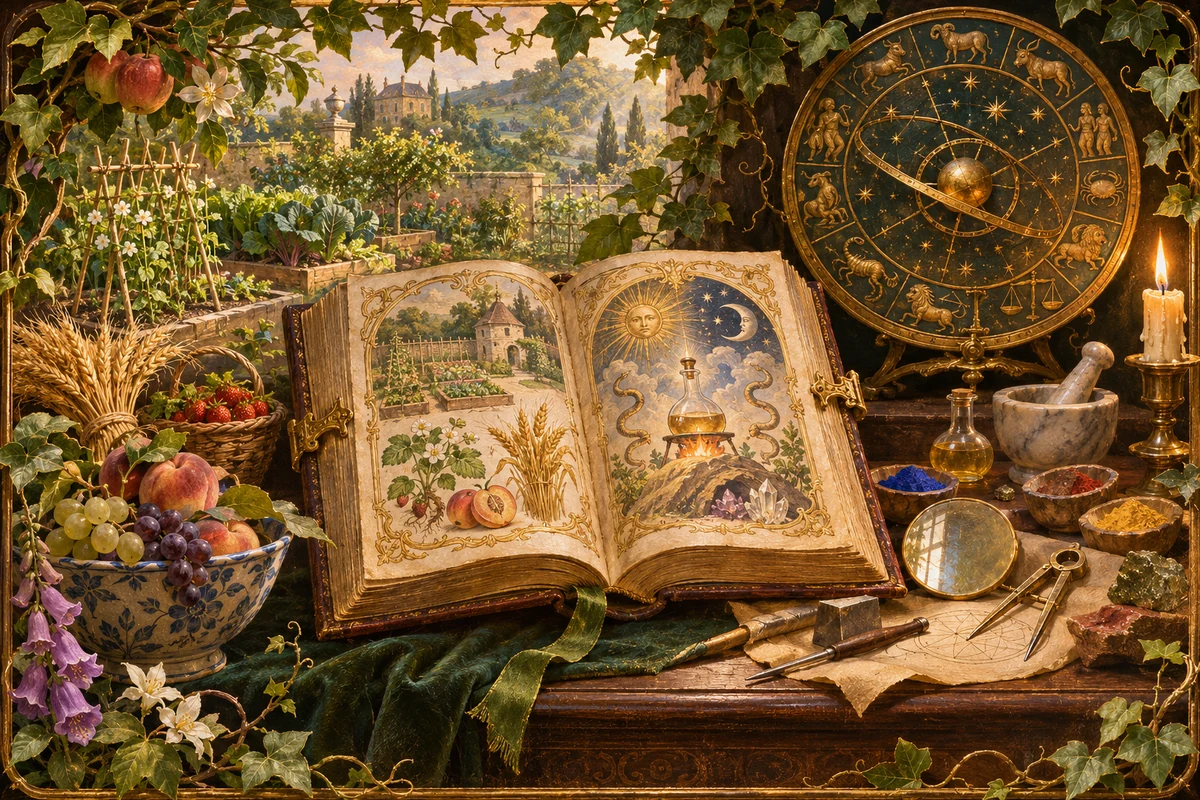 AN OCCULT HALL ILLUSTRATION
Enter its world.
This 1765 Petit Albert brings celestial correspondences into a world of households, workshops, fields and hidden wealth. Its compiler promises useful wonders while defending a larger order of concealed natural powers.
Thirteen lessons follow particular passages rather than presenting the whole volume as one tested system. We compare its talismans, elemental peoples and pastoral charms, and examine the difference between a reported marvel, a claimed experiment and an exposed deception.
The complete 198-image edition remains available, including its illustrations, closing tables and binding. The source’s errors and qualifications remain visible: its planetary-hour table is inconsistent, and its Hand of Glory account explicitly relies on confessions under torture.
- Complete 198-image 1765 edition
- Planetary talismans and elemental peoples
- The Hand of Glory read with its evidential limits
- Artificial oracles, distant sympathy and pastoral protection
Thirteen hidden connections
One free introduction · 12 member lessons
Why this number?
13 lessons form our expanded editorial path through this collection. The course count is a modern study arrangement, not the number of chapters, beings or stages stated by the historical authors.
Your way through.
Follow the teachings step by step, work through concrete examples, and connect each explanation with its cited passage.
A treasury of useful wonders
Explain how the Petit Albert connects ordinary desires with a theory of hidden natural powers.
12 min · Free introduction
Seven days, seven talismans
Explain the separate roles of material, numerical arrangement and figurative image in the planetary talisman section.
12 min · Member lesson
An hour belongs to a planet
Distinguish the book’s stated principle of planetary time from the inconsistent entries printed in its tables.
12 min · Member lesson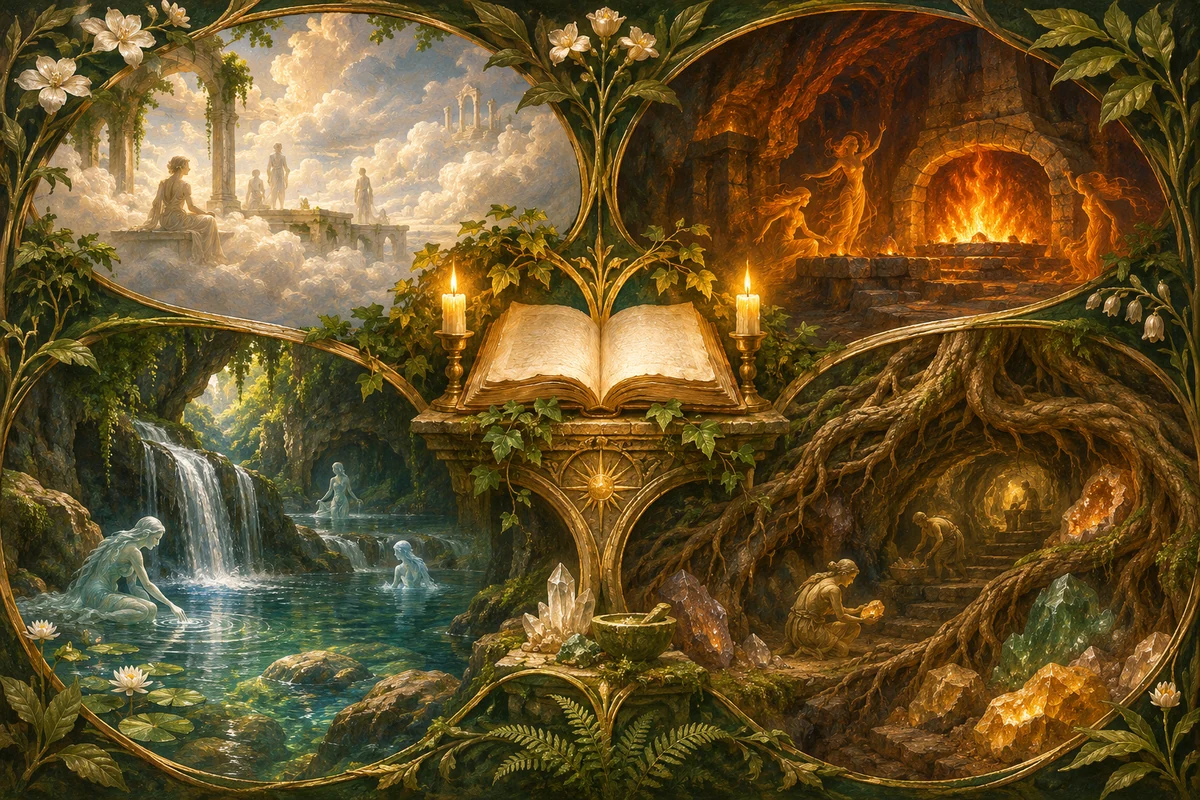
The four invisible peoples
Explain the elemental peoples as inhabitants, intermediaries and moral agents within the book’s cosmology.
12 min · Member lesson
Treasures and their keepers
Distinguish the book’s kinds of subterranean wealth and its competing explanations for obstacles and danger.
12 min · Member lesson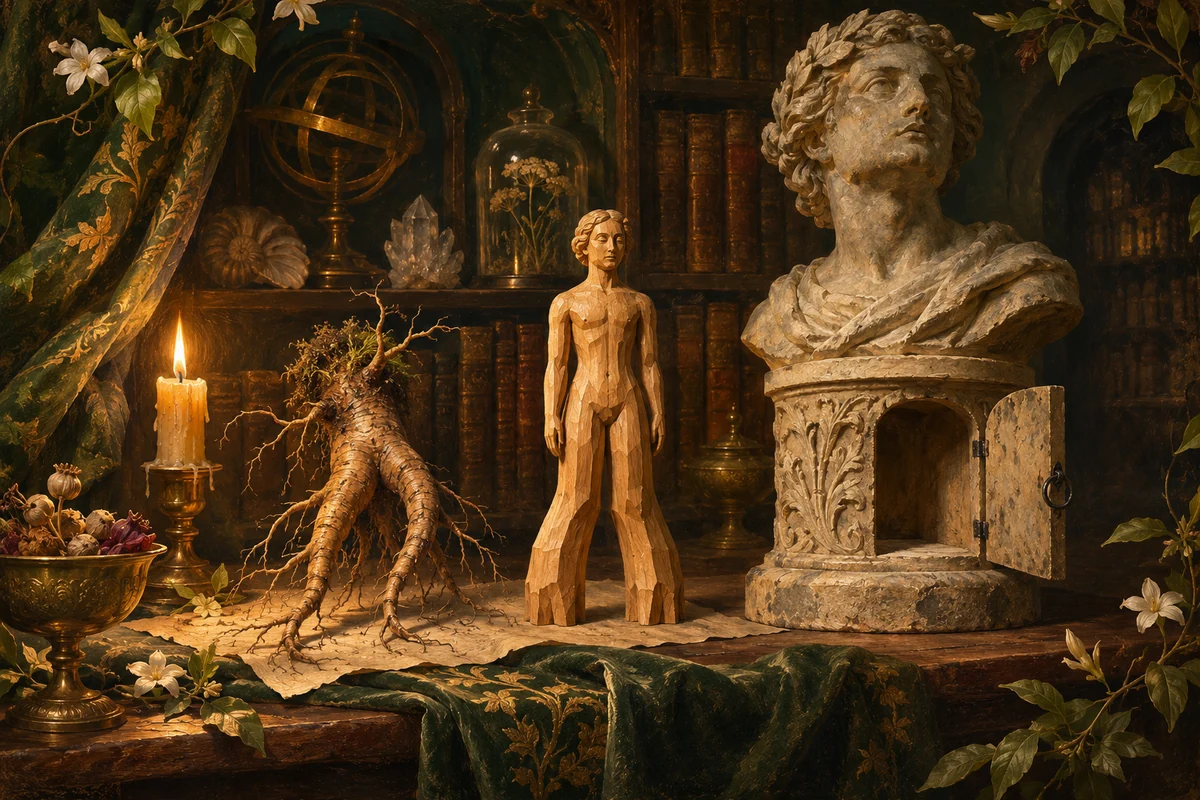
False mandrakes and speaking heads
Explain how the compiler distinguishes an impressive appearance from the cause he assigns to it.
12 min · Member lesson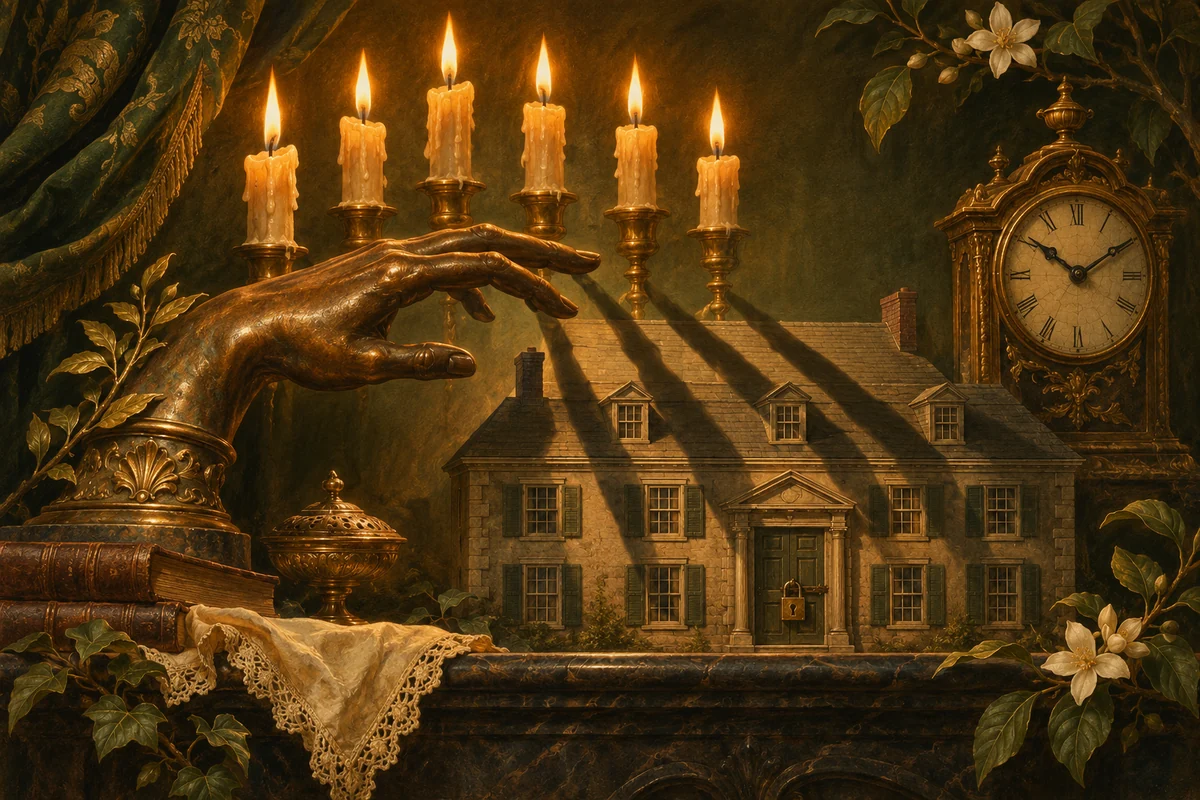
The hand that stops a household
Explain the Hand of Glory’s imagined function while distinguishing reported confession from tested knowledge.
12 min · Member lesson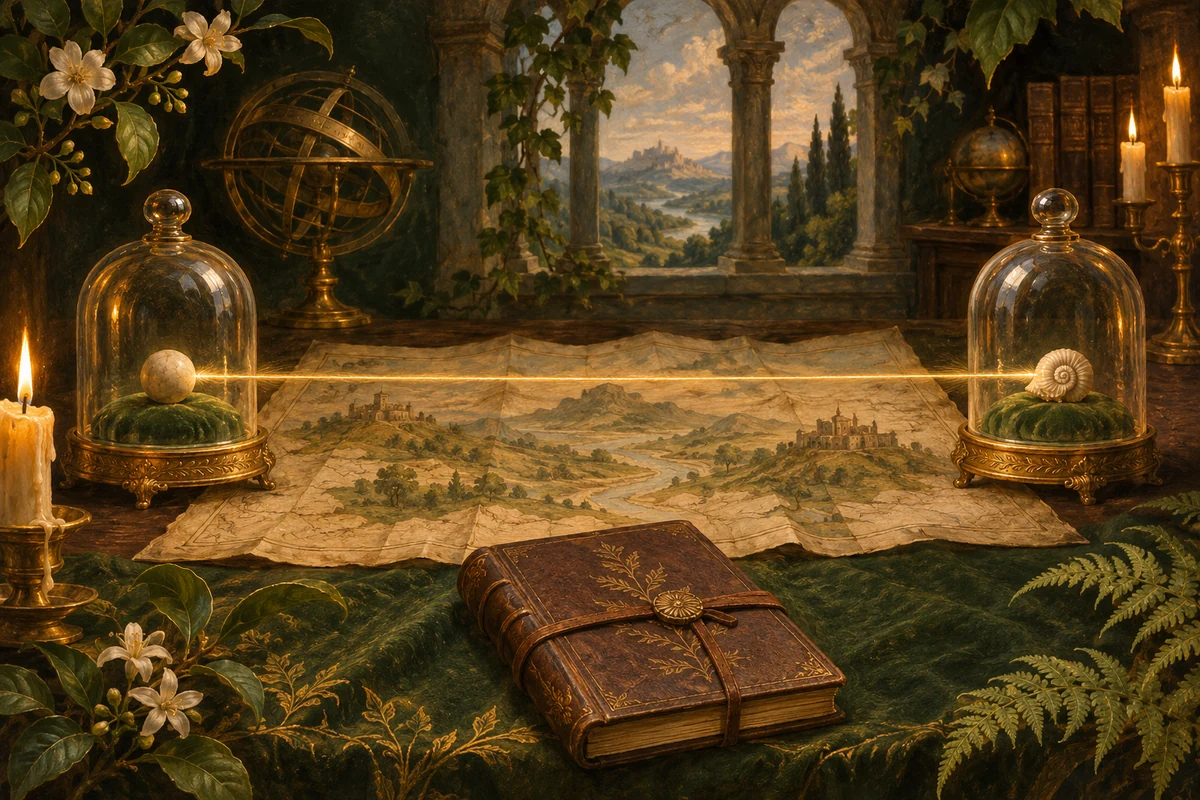
Virtue across a distance
Explain the logic of sympathetic action and distinguish the compiler’s practical confidence from his uncertainty about its explanation.
12 min · Member lesson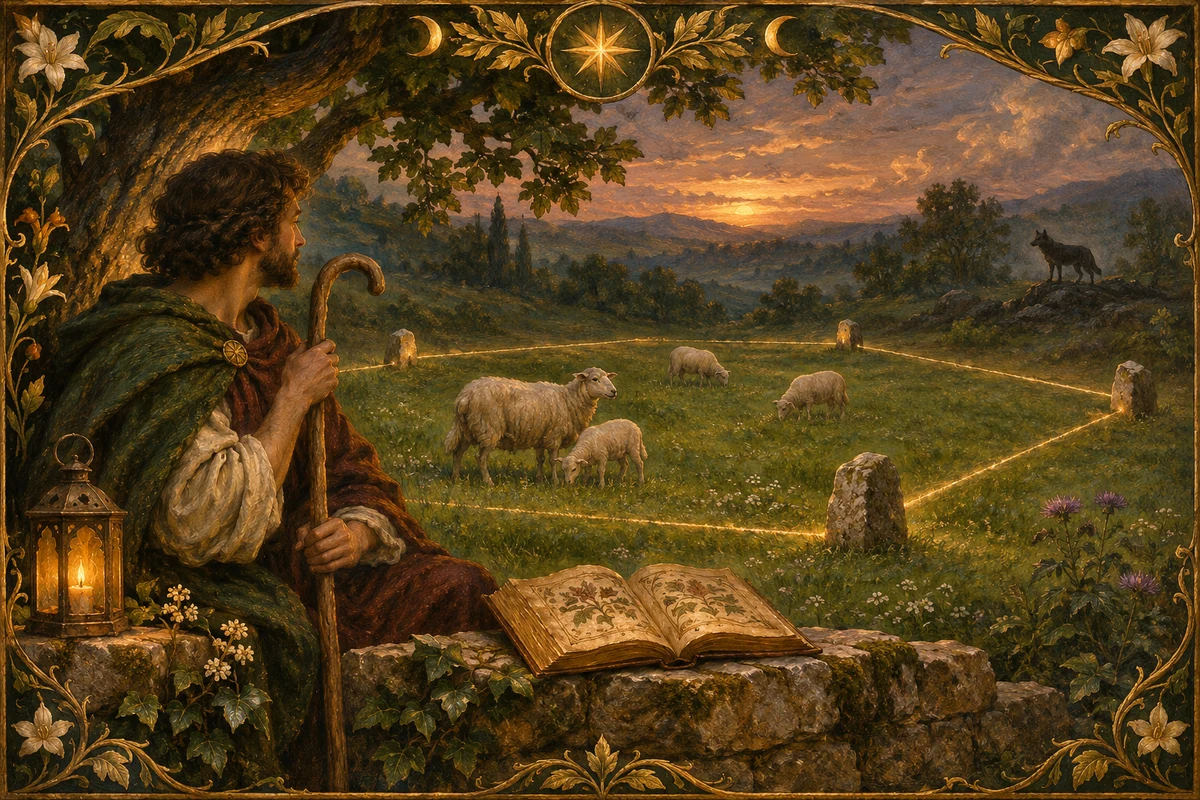
Keeping a flock under a charm
Explain how the flock charms organize protection through address, boundaries and the keeper’s responsibility.
12 min · Member lesson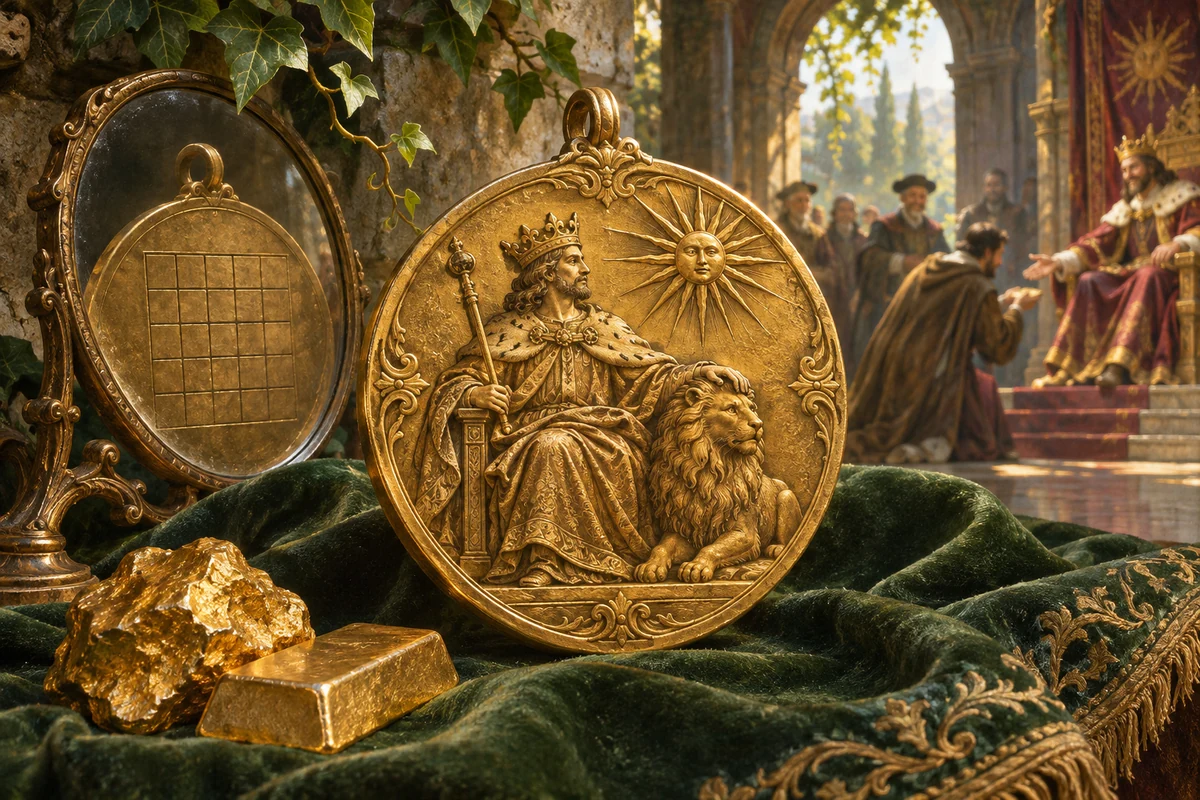
A metal, an image, and a social promise
Trace the Petit Albert’s solar talisman from material affiliation through numerical order and royal imagery to a promised human benefit.
11 min · Member lesson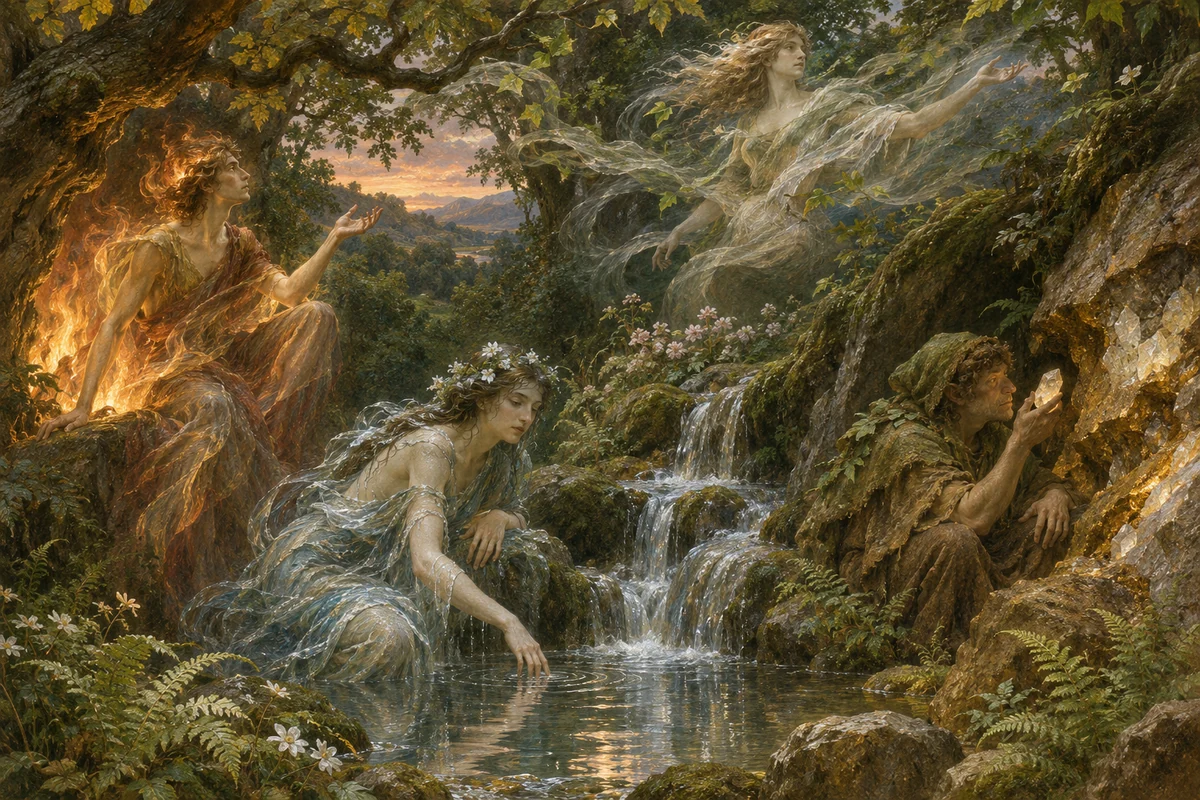
Bodies between the visible and invisible
Explain why the book’s elemental peoples are imagined as embodied and rational while remaining different from ordinary humans.
11 min · Member lesson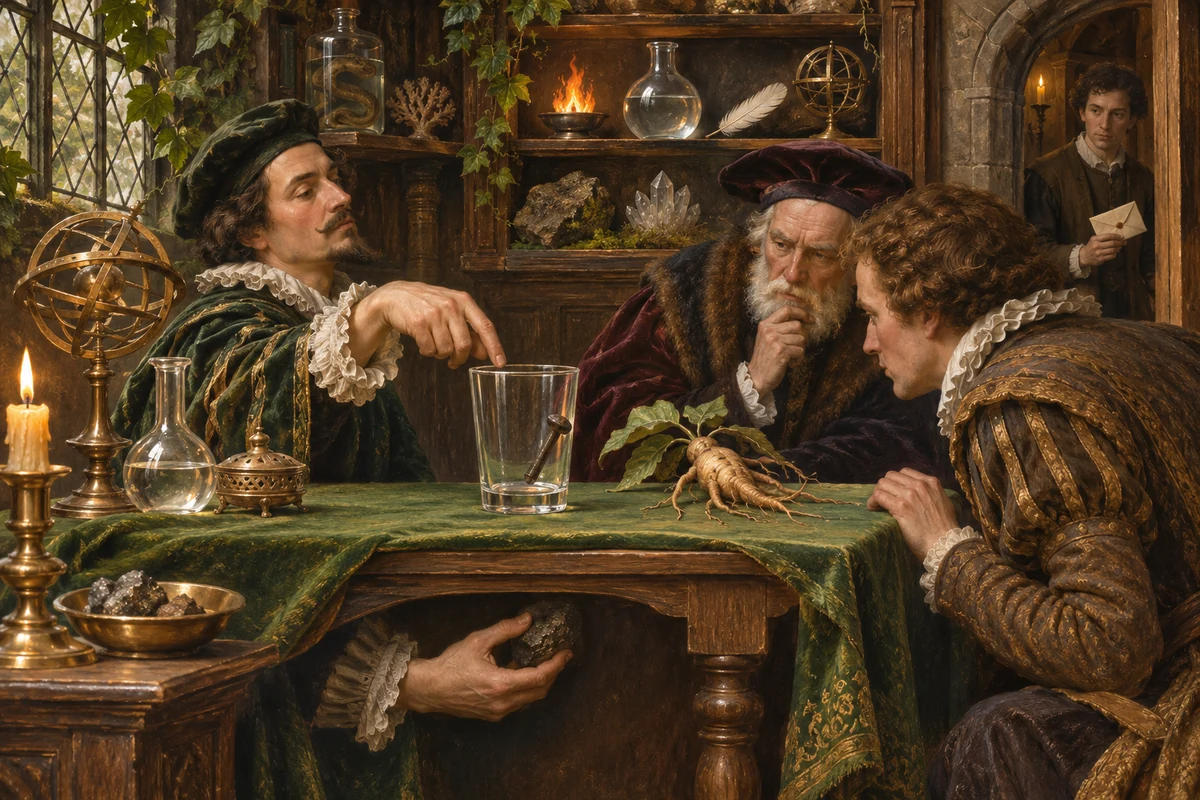
The invisible cause of a visible effect
Compare magnetic deception with talismanic and elemental explanations, showing how the compiler distinguishes hidden causes instead of rejecting all invisible action.
11 min · Member lesson
Mineral wealth and human deposits
Distinguish formation, concealment, custody, and danger in the book’s accounts of subterranean riches.
11 min · Member lessonThe source beside you.
Members can explore the complete edition. Begin with the free introduction and its selected source pages.
The complete book awaits.
Petit Albert
The complete historical editions and page-turning readers belong to the member library. Free introductions include the source excerpts used in their teaching.
Books & dates
Petit Albert — Part 1: Talismans, elemental peoples and guarded treasurePetit Albert · 1765
Petit Albert — Part 2: Planetary time, sympathy and pastoral charmsPetit Albert · 1765
Guided readings and teaching diagrams are original Occult Hall commentary. Imagined scenes are modern illustrations, separate from the historical source pages.
Robert Fludd: Worlds, Arts & Hidden Harmonies
Fifty-five studies of number, nature and the human world