The Lesser Key of Solomon
Spirit catalogues and different maps of the unseen
 AN OCCULT HALL ILLUSTRATION
Enter its world.
The Lesser Key is a collection of arts with different maps of the unseen. Its first part, the Goetia, identifies spirits through names, ranks, offices, appearances and seals. The Theurgia Goetia organizes aerial courts through a compass; the Almadel describes angelic regions and a prepared place of appearance.
Twenty-six editorial lessons preserve those distinctions while developing the Goetia in depth through the complete hosted 1904 edition: royal courts, truthful and deceptive answers, the dead, speech, social standing, natural knowledge, transformations, guarded treasure, religious authority and departure. Twenty-six is our course arrangement, not an original chapter count. The local 1904 volume contains the Goetia only; the existing Theurgia and Almadel lessons identify their separate manuscript passages and do not claim pages in this PDF.
- Spirit profiles and offices
- Fixed and wandering aerial courts
- Almadel colors and regions
- The spirits as teachers
- Circle, triangle and vessel
Twenty-six keys
One free introduction · 25 member lessons
Why this number?
26 lessons form our expanded editorial path through this collection. The course count is a modern study arrangement, not the number of chapters, beings or stages stated by the historical authors.
Your way through.
Follow the teachings step by step, work through concrete examples, and connect each explanation with its cited passage.
Anatomy of a spirit entry
Read a Goetic entry as a structured profile rather than a single symbolic label.
12 min · Free introduction
A compass full of spirits
Explain how the Theurgia combines direction, rank and periods of service.
12 min · Member lesson
The four regions of the Almadel
Explain the four regions through their names, colors, offices and yearly periods.
12 min · Member lesson
What the spirits promise to teach
Compare the kinds of learning assigned to particular Goetic spirits.
12 min · Member lesson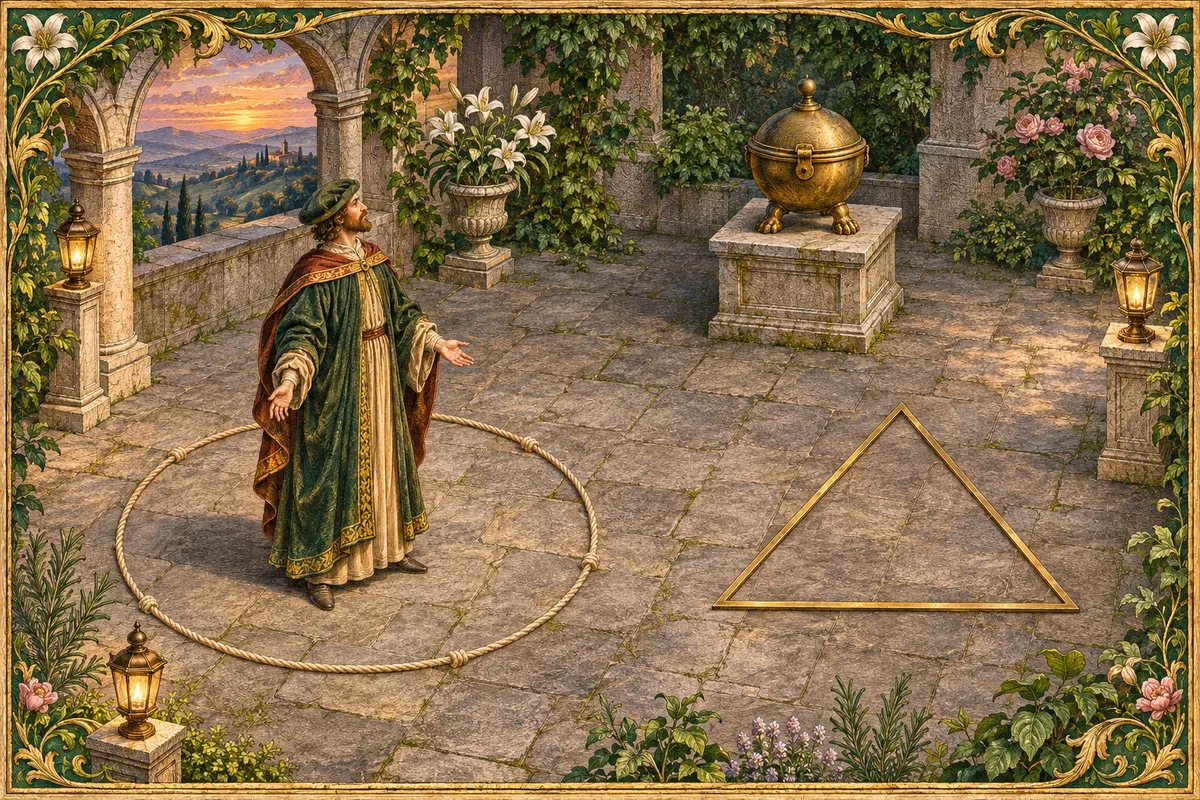
Circle, triangle and vessel
Distinguish the functions of the circle, triangle, worn signs and vessel.
12 min · Member lesson
Paimon and Beleth: the arrival of a royal court
Explain how two royal entries distinguish a king’s authority from the size and conduct of his arriving company.
12 min · Member lesson
Berith, Furfur and Orobas: three different promises of truth
Compare the catalogue’s specific conditions concerning truthfulness, deception and protection from temptation.
12 min · Member lesson
Bune, Bifrons and Murmur: three relations to the dead
Distinguish the catalogue’s treatment of dead bodies, subordinate spirits and deceased souls.
12 min · Member lesson
Forneus and Ronove: speech that changes social standing
Explain how the entries connect learned speech with reputation, relationships and restored honor.
12 min · Member lesson
Halphas, Malphas and Sabnock: what a fortified place requires
Distinguish construction, provisioning, deployment and intelligence in four catalogue entries.
12 min · Member lesson
Focalor and Vepar: a sea that moves, threatens and deceives
Compare the sea powers attributed to Focalor and Vepar, including the explicit clause of restraint.
12 min · Member lesson
Caim, Phenex and Amdusias: what a voice can reveal
Distinguish understanding sounds, producing learned speech and hearing music without visible instruments.
12 min · Member lesson
Haagenti and Zagan: changing substances, value and understanding
Distinguish material, social and intellectual changes in the two related catalogue entries.
12 min · Member lesson
Ose and Dantalion: changing a form, a belief or a thought
Compare transformations of appearance, self-understanding and another person’s thoughts in three entries.
12 min · Member lesson
Asmoday, Gaap and Seere: power under a greater ruler
Explain how three subordinate profiles and the invocation of a king distinguish authority, jurisdiction and capacity.
12 min · Member lesson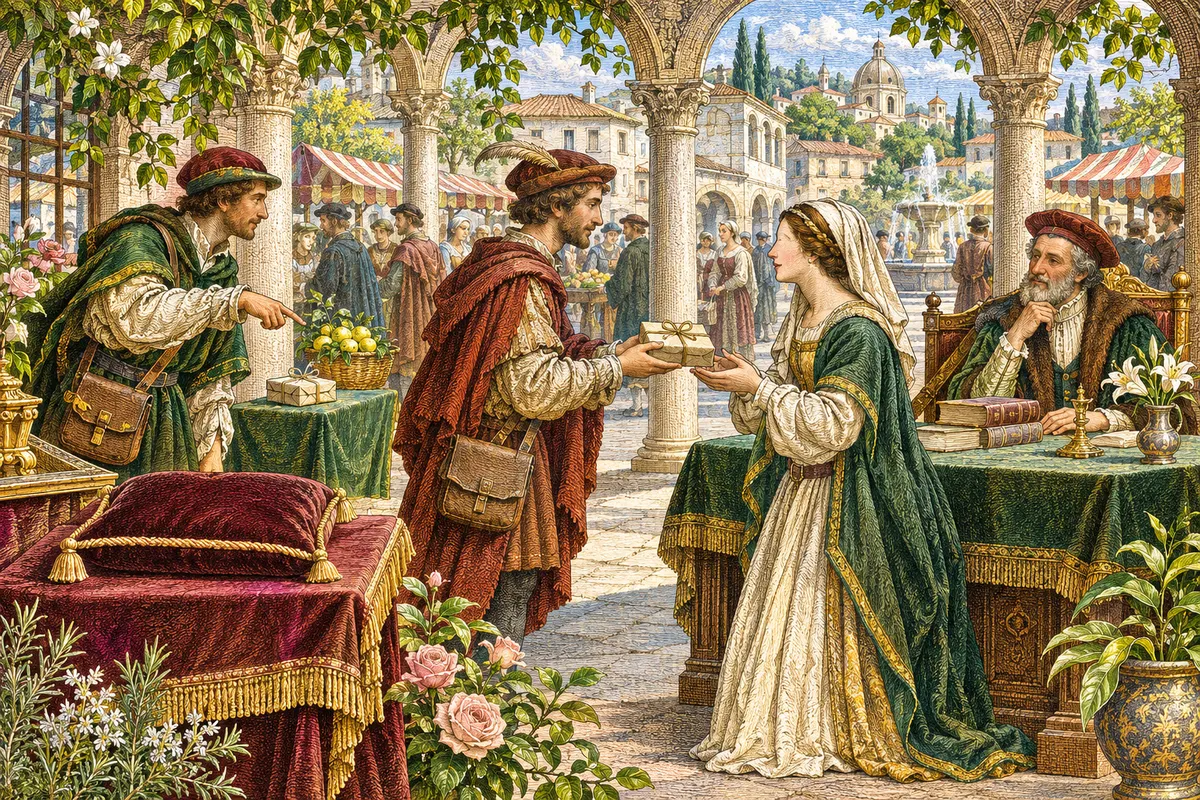
Valefor and Andromalius: taking, recovering and judging
Distinguish assistance in theft, knowledge of theft and restitution in four named offices.
12 min · Member lesson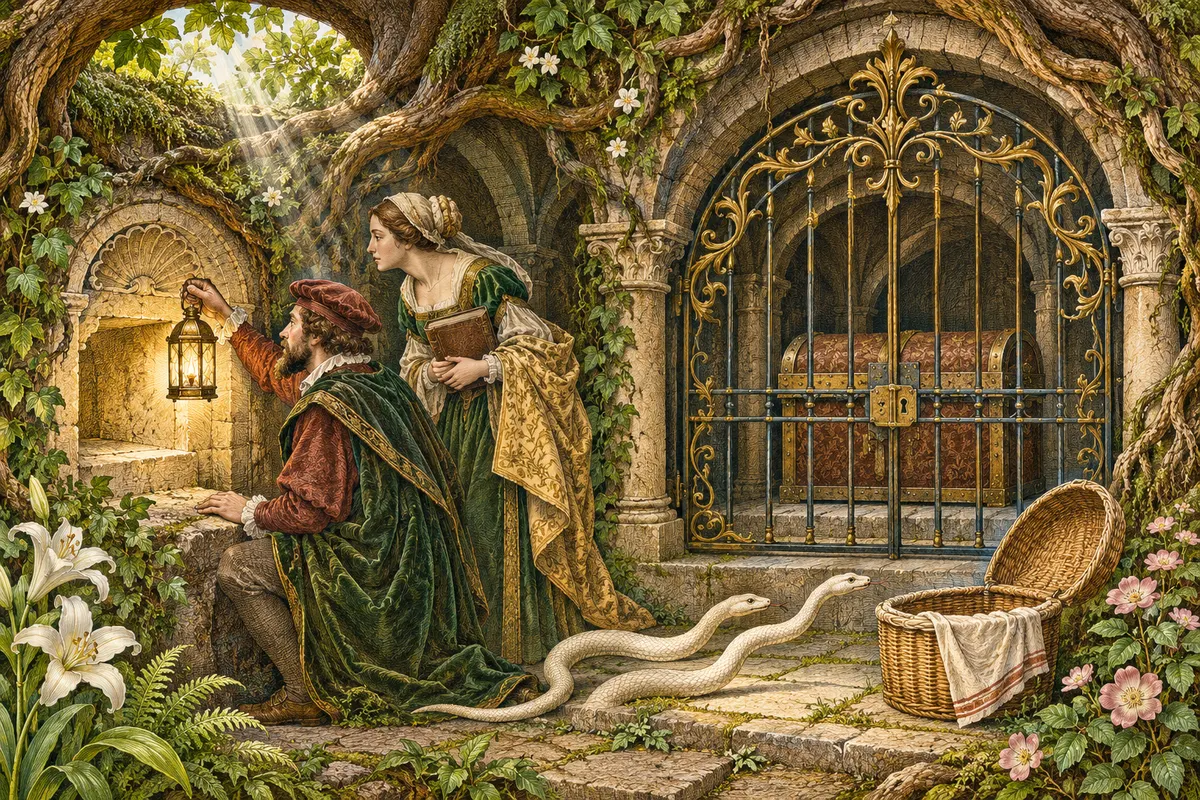
Amy, Valac and Shax: knowing where treasure is kept
Compare the precise treasure-related actions and qualifications in five catalogue entries.
12 min · Member lesson
Stars, stones, and the arts of understanding
Distinguish the celestial, natural, and intellectual knowledge assigned to three named spirits, using the actual limits of their entries.
12 min · Member lesson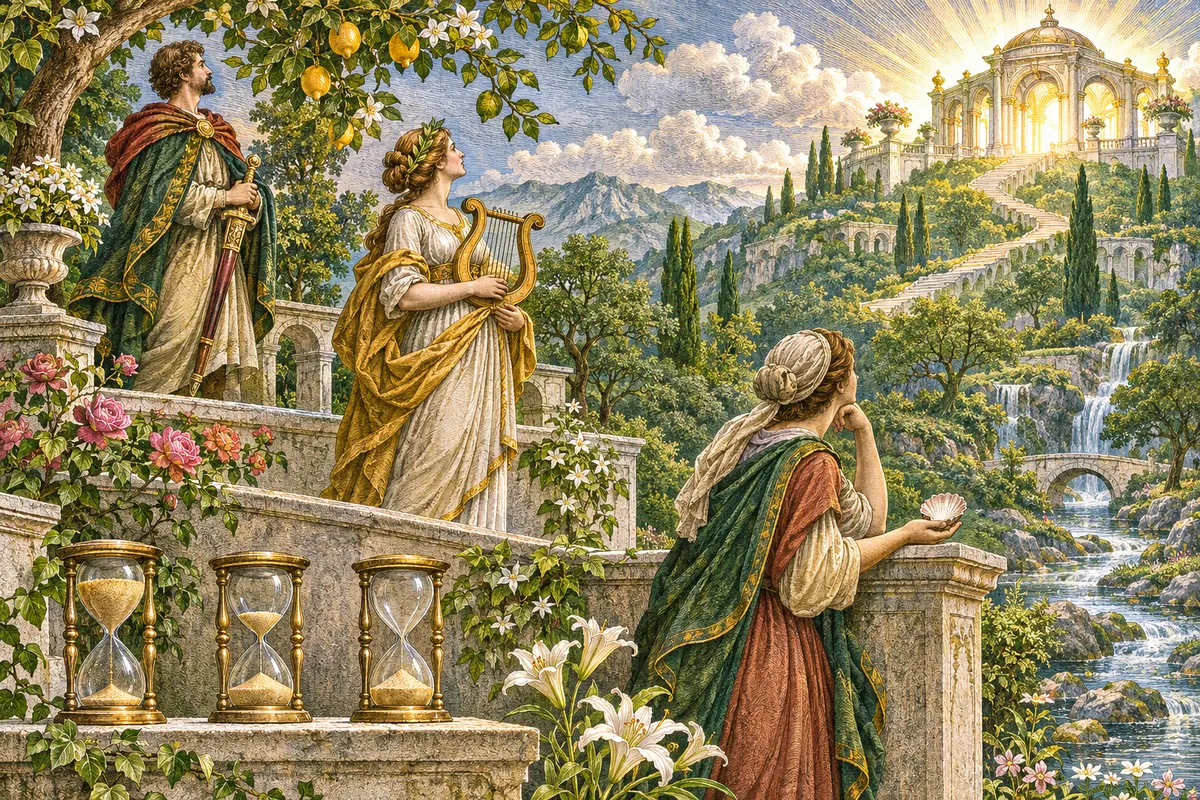
The hope of returning to the seventh Throne
Compare three restoration passages and distinguish a spirit's reported hope from a narrated guarantee of salvation.
12 min · Member lesson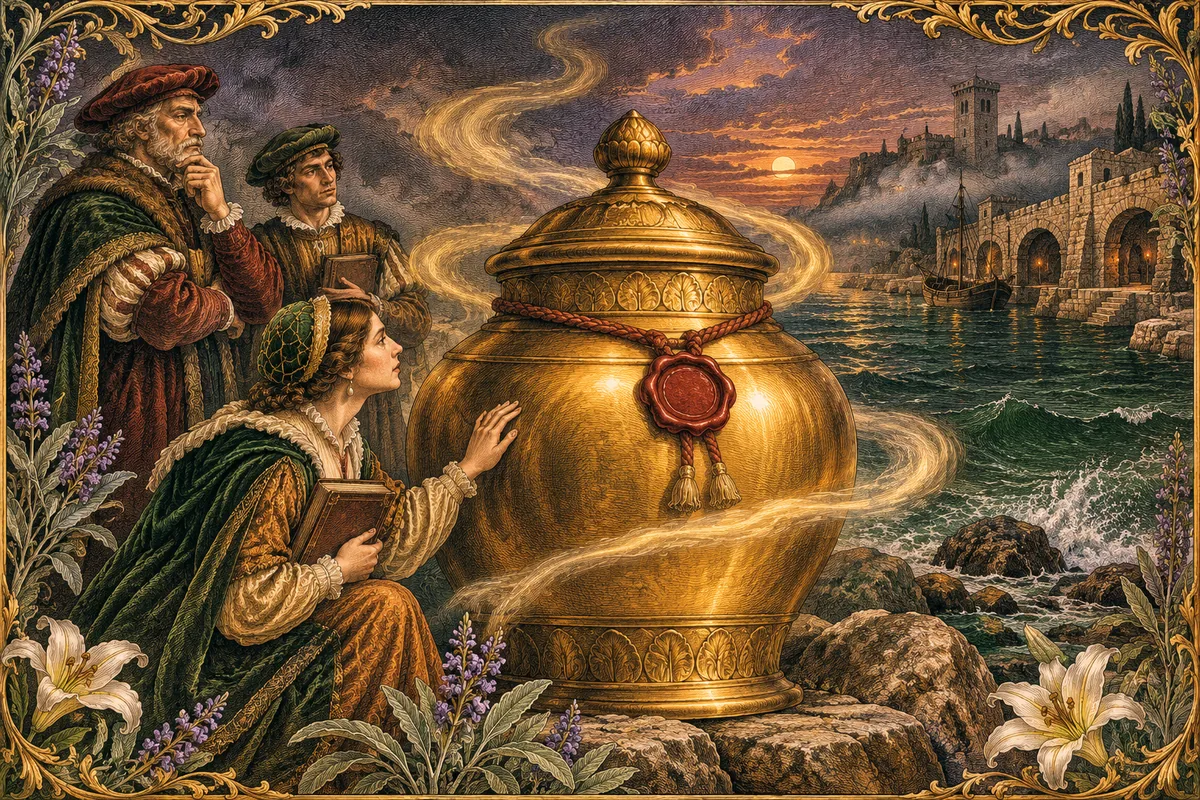
Belial, the sealed vessel, and the opened image
Explain Belial's offices, the conditions attached to his answers, and his exceptional role in the brass-vessel narrative.
12 min · Member lesson
Ranks, metals, and the limits of correspondence
Explain the metal and timing classifications in the Observations, recognize mixed ranks, and distinguish the printed rules from an editorial attempt to regularize them.
12 min · Member lesson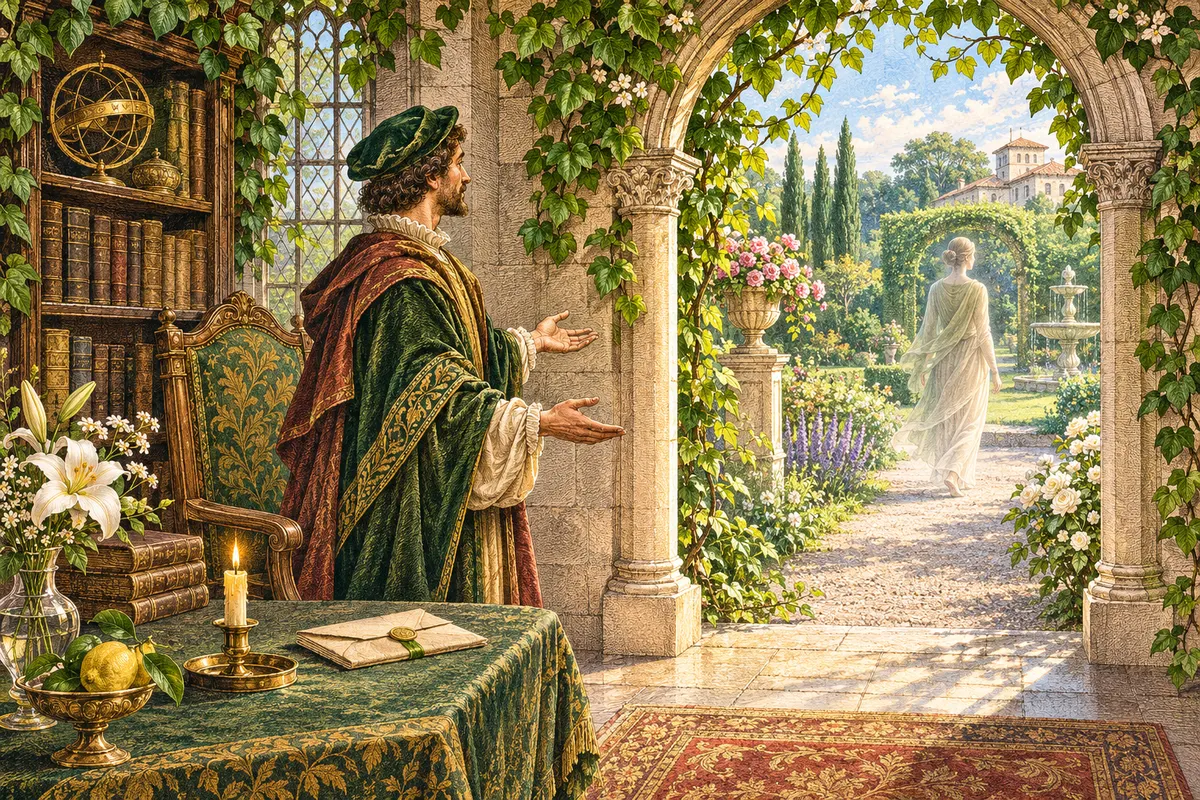
Welcome, truthful answers, and a peaceful departure
Trace the change from appearance to welcome, questioning, licence, and thanksgiving, explaining the purpose of each transition.
12 min · Member lesson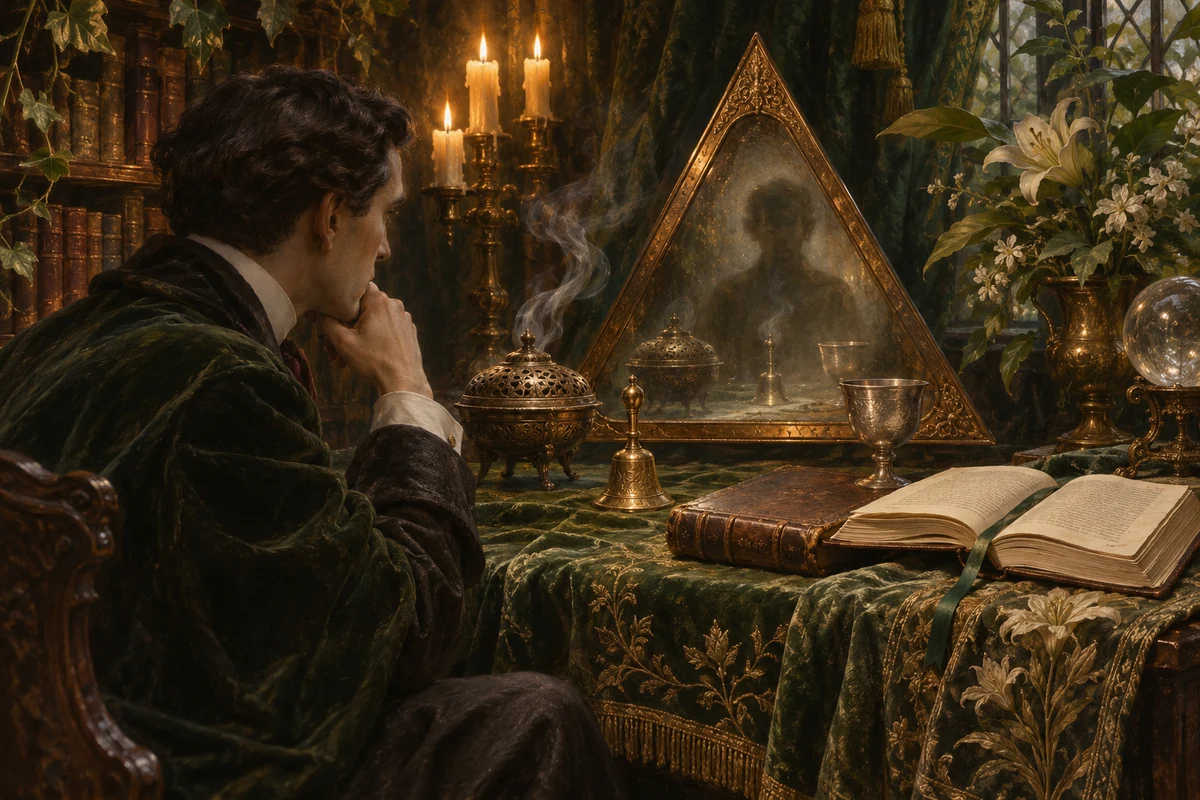
The senses and the editor’s explanation
Distinguish Crowley’s psychological interpretation from the older catalogue it accompanies.
16 min · Member lesson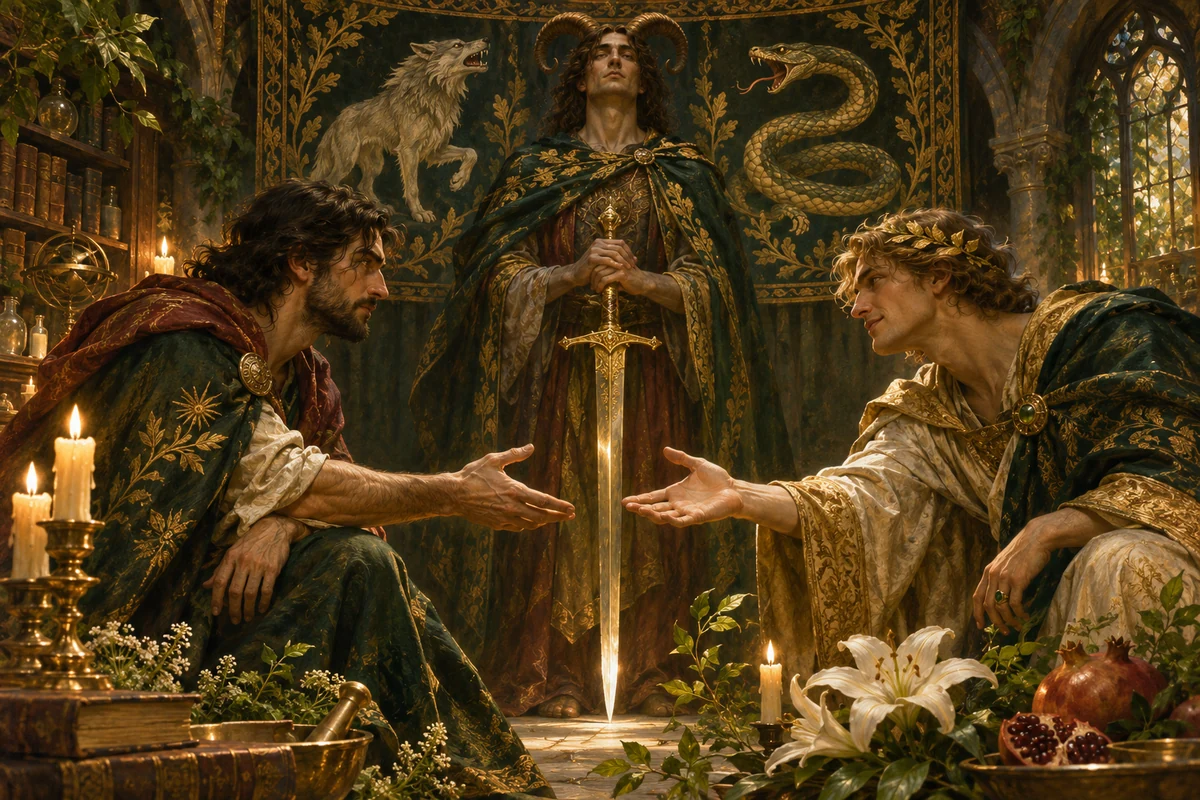
Feuds, friendship and reconciliation
Compare Amon, Gusion and Botis without reducing their overlapping offices to one generic power.
16 min · Member lesson
Movement, return and discovery
Distinguish Agares’s reversals of movement, Bathin’s transport and Vassago’s disclosure of hidden things.
16 min · Member lesson
When an explanation of names becomes a prayer
Read the edition’s closing name explanations as an annotated devotional paraphrase rather than a reliable word-for-word dictionary.
16 min · Member lessonThe source beside you.
Members can explore the complete edition. Begin with the free introduction and its selected source pages.
The complete book awaits.
The Lesser Key of Solomon
The complete historical editions and page-turning readers belong to the member library. Free introductions include the source excerpts used in their teaching.
Books & dates
The Book of the Goetia of Solomon the KingGoetia · Mathers–Crowley · 1904
Guided readings and teaching diagrams are original Occult Hall commentary. Imagined scenes are modern illustrations, separate from the historical source pages.
Liber Trium Animarum
Vision, mercy and the names of heaven